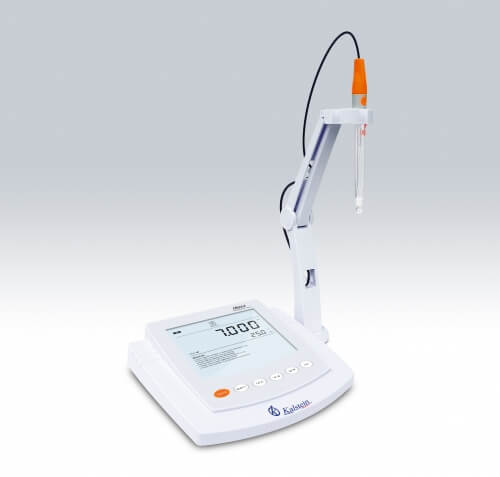
How to Ensure Compliance with ISO/IEC Standards Using Table Conductivity Controllers
For laboratory professionals, maintaining compliance with ISO/IEC standards is paramount. Table conductivity controllers are instrumental in achieving this compliance by ensuring accurate and reliable measurements in various laboratory applications. This article delves into how these controllers align with ISO/IEC regulations, detailing specific models that excel in compliance and performance.
Understanding ISO/IEC Standards Relevant to Laboratories
ISO (International Organization for Standardization) and IEC (International Electrotechnical Commission) develop standards that enhance safety, reliability, and efficiency in laboratory processes. Key standards applicable to laboratory equipment include ISO/IEC 17025, which outlines the requirements for testing and calibration laboratories, ensuring they operate competently and generate valid results.
Table conductivity controllers must meet certain specifications to comply with these standards, including accuracy, calibration protocols, and traceability in measurements. Understanding these requirements is crucial for lab operations aiming for ISO/IEC certification.
ISO 17025 Compliance and Conductivity Measurement
ISO 17025 emphasizes the need for laboratories to demonstrate their technical competence and the validity of their results. This involves ensuring that equipment like table conductivity controllers is regularly calibrated to traceable standards. Models such as the YR01836-1 and YR01829 provide automatic calibration features that can significantly enhance compliance.
Regular calibration against recognized standards ensures that measurements remain within acceptable tolerances, thereby supporting compliance with ISO 17025. It is essential to document calibration procedures and results to meet these standards effectively.
Features of Table Conductivity Controllers That Aid Compliance
The choice of a table conductivity controller should consider features that enhance compliance with ISO/IEC standards. Important features include:
- Automatic Calibration: Allows for accurate adjustments that meet ISO requirements. Models like YR01836 can calibrate up to five points automatically.
- Traceability: Ensures that measurement standards are documented and verifiable, crucial for audits.
- Data Recording: Features such as USB output in models like YR01836-1 support data management systems that are essential for maintaining comprehensive records.
Comparison of Available Models
| Model | ISO/IEC Clauses Covered | Traceability Features | Best For |
|---|---|---|---|
| YR01836-1 | ISO 17025 | Automatic calibration recognition | Multi-parameter testing |
| YR01836 | ISO 17025 | Data storage & USB output | General conductivity measurement |
| YR01829-1 | ISO 17025 | 1 to 3 points calibration | Daily testing |
| YR01829 | ISO 17025 | Automatic temperature compensation | High accuracy testing |
| YR01828 | ISO 17025 | Wireless data transfer | Field applications |
Common Mistakes and How to Avoid Them
Laboratories often encounter pitfalls while trying to achieve compliance with ISO/IEC standards using table conductivity controllers. Common mistakes include:
- Inadequate Calibration: Failing to calibrate regularly or document calibration results can jeopardize compliance. Ensure models like YR01829 are calibrated as per guidance.
- Poor Data Management: Not maintaining records of calibration and measurement data can lead to compliance issues. Utilize features like data storage in YR01836.
- Ignoring Maintenance Requirements: Neglecting routine maintenance can affect accuracy. Follow the manufacturer's guidelines for all models.
Integrating Table Conductivity Controllers into the Lab Workflow
To fully benefit from table conductivity controllers, laboratories need to integrate these tools effectively into their workflows. Establishing protocols for usage, calibration, and data management is crucial.
Using models like YR01836-1, which allow for quick calibration and real-time data transfer, can streamline operations, reduce downtime, and ensure compliance with ISO standards. Furthermore, training staff on best practices for operating these devices enhances reliability and the quality of results.
Benefits of Compliance with ISO/IEC Standards
Achieving compliance with ISO/IEC standards offers numerous benefits for laboratories. Firstly, it enhances credibility with clients and stakeholders, ensuring trust in test results. Secondly, compliance can lead to improved operational efficiency as standardized practices are often more streamlined and effective.
Additionally, it opens opportunities for international trade and collaboration, as ISO/IEC certifications are recognized globally. Laboratories utilizing table conductivity controllers that are compliant can market their services more effectively.
Frequently Asked Questions
How can table conductivity controllers help with ISO 17025 compliance?
Table conductivity controllers like the YR01836-1 provide automatic calibration features that ensure measurements are accurate and traceable, meeting ISO 17025 standards, which enhances credibility.
What specific features should I look for in a conductivity meter for lab compliance?
Look for features such as automatic calibration, data storage, and traceability. Models like YR01829 include these features, which support compliance with ISO standards.
How often should I calibrate my table conductivity controller for regulatory compliance?
Calibration frequency can depend on usage, but generally, devices like the YR01836 should be calibrated regularly, ideally before every use or daily, to ensure compliance with ISO 17025.
What documentation is required for compliance with ISO/IEC standards?
Documentation must include calibration records, maintenance logs, and data management protocols. Utilizing models like YR01836-1, which support data storage, can simplify this process.
Which table conductivity controller is best for meeting ISO 17025 standards?
The YR01836 is highly recommended for meeting ISO 17025 standards due to its advanced calibration and data management features, ensuring traceable and accurate measurements.
How can I integrate table conductivity controllers into my laboratory's LIMS?
Integration can be achieved using models like YR01836-1, which support USB connectivity for seamless data transfer to laboratory information management systems (LIMS).
What is the importance of traceability in laboratory measurements?
Traceability ensures that measurements can be linked to national or international standards, essential for regulatory compliance. Models like YR01829 facilitate traceability through documented calibration.
How do table conductivity controllers contribute to quality assurance in laboratories?
By providing accurate measurements, models like YR01836 help maintain quality assurance protocols that comply with ISO/IEC standards, enhancing the reliability of laboratory results.
If you are looking for a fusion of innovation and quality, you have come to the right place. At Kalstein, we offer you the luxury of exploring our exclusive catalog of laboratory equipment. We manufacture every device to the highest standards of excellence. Our intuitive and seamless online purchasing channels are designed for your convenience, securing the most competitive prices. Hesitate no longer — we bring science to life, it is time to become part of our community.