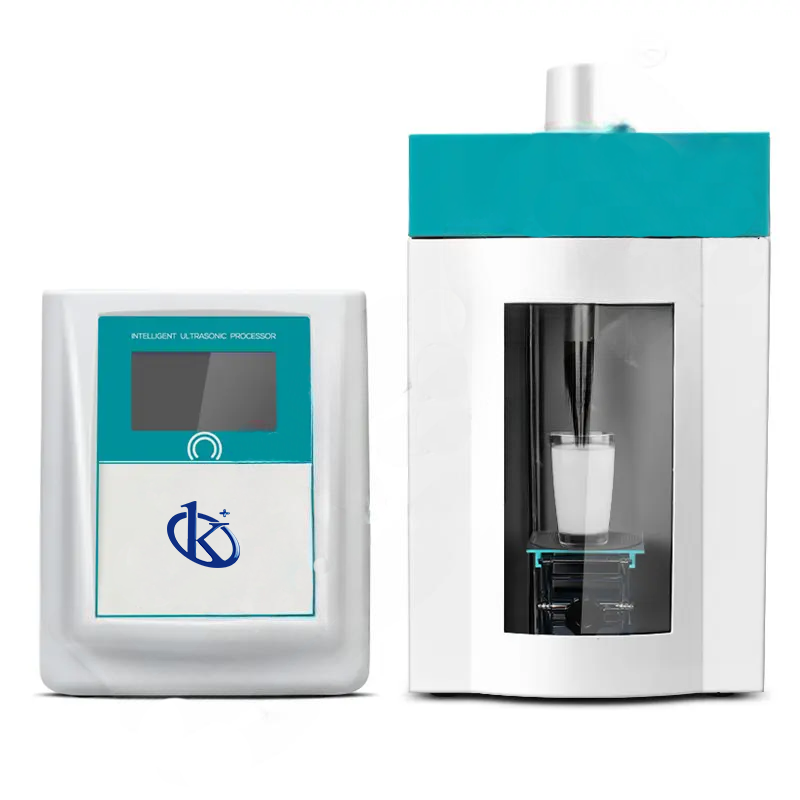
How to Ensure ISO/IEC Compliance with Ultrasonic Homogenizers in the Lab
In the modern laboratory landscape, ensuring compliance with ISO/IEC standards is critical for operational integrity and quality assurance. Ultrasonic homogenizers play a significant role in this framework, offering precision and consistency necessary for various applications. This article delves into the relevance of ultrasonic homogenizers in meeting ISO/IEC norms, particularly focusing on models like YR05015, YR05016, YR05017, YR05018, YR05019, and YR05020.
Understanding ISO/IEC Norms and Their Importance in Laboratories
ISO/IEC standards set the benchmarks for quality and consistency in laboratory operations. These standards ensure that laboratories can produce reliable results, which is crucial for accreditation and regulatory compliance. Compliance with ISO 17025, for instance, validates the technical competence of testing and calibration labs. Thus, laboratory equipment, including ultrasonic homogenizers, must meet these stringent requirements.
Ultrasonic Homogenizers: A Key Component in Compliance
Ultrasonic homogenizers are essential tools in the lab for processes that require the breakdown of samples into smaller particles. These devices utilize ultrasonic waves to create cavitation bubbles in a liquid, leading to sample homogenization. This process is critical for achieving uniformity in sample preparation, which is a key aspect of meeting ISO/IEC standards, especially in areas like food safety, pharmaceuticals, and environmental testing.
Detailed Analysis of ISO/IEC Compliance in Ultrasonic Homogenizers
Each model of ultrasonic homogenizers comes with features that potentially enhance compliance with ISO/IEC standards. For instance, the YR05015 offers a PID control system and automatic temperature tracking, which can help in maintaining consistent conditions during sample preparation, thus achieving better compliance with ISO 17025's requirements for accuracy and traceability.
Comparison of Available Models
| Model | Power (W) | Mixing Capacity (ml) | Best for | ISO/IEC Clauses Covered | Traceability Features |
|---|---|---|---|---|---|
| YR05015 | 1.5 – 150 | 0.1 – 150 | Small batch processing | ISO 17025 | Data logging |
| YR05016 | 2-5 – 250 | 0.1 – 300 | Medium volume homogenization | ISO 17025 | PID temperature control |
| YR05017 | 10 – 650 | 0.1 – 500 | General laboratory use | ISO 15189 | Automatic alarms |
| YR05018 | 10 – 900 | 0.1 – 600 | High throughput labs | ISO 17025 | Data management |
| YR05019 | 20 – 1,200 | 1 – 1,000 | Industrial applications | ISO 17025, IEC 61010 | Traceable calibration |
| YR05020 | 50 – 1,800 | 1 – 1,200 | Advanced research labs | ISO 15189 | Comprehensive logging |
Key ISO/IEC Standards Relevant to Ultrasonic Homogenizers
ISO 17025 outlines general requirements for the competence of testing and calibration laboratories. It emphasizes the importance of equipment maintenance, calibration, and the verification of measurement results. Using ultrasonic homogenizers that comply with these requirements can significantly enhance the credibility of laboratory results.
Common Mistakes and How to Avoid Them
One common mistake is neglecting regular maintenance and calibration of ultrasonic homogenizers. This oversight can lead to deviations in results, affecting compliance with ISO standards. It is crucial to establish a routine check for models like YR05019 and YR05020 to ensure they are functioning within specified parameters, thus maintaining compliance.
Strategies for Implementing Compliance in Your Laboratory
To effectively implement ISO/IEC compliance, laboratories should adopt a structured approach. This includes routine audits, comprehensive training for staff on compliance procedures, and investing in equipment such as ultrasonic homogenizers that are designed with compliance in mind. Models like YR05015 provide features that facilitate documentation and traceability, making compliance easier.
Frequently Asked Questions
How can ultrasonic homogenizers help meet the standards of ISO 17025?
Ultrasonic homogenizers like the YR05015 are designed to ensure precise sample preparation, which is critical for achieving compliance with ISO 17025. They offer features such as PID control and automatic alarms that enhance traceability and reliability, essential for maintaining compliance in a laboratory setting.
Which ultrasonic homogenizer model is best for achieving IEC 61010 compliance?
The YR05019 model is particularly suited for achieving IEC 61010 compliance due to its robust design and safety features. It includes protection against overloads and automatic alarms, ensuring laboratory safety while adhering to stringent regulations.
What role do ultrasonic homogenizers play in laboratory regulatory compliance?
Ultrasonic homogenizers, such as YR05018, play a vital role in laboratory regulatory compliance by providing consistent and reproducible results necessary for meeting ISO/IEC standards. Their ability to maintain precise conditions during sample processing significantly contributes to compliance.
How do I ensure my ultrasonic homogenizer is compliant with ISO 15189 standards?
To ensure compliance with ISO 15189, choose models like YR05016 that offer features such as automatic temperature control and data logging. Regular calibration and maintenance of these homogenizers are also critical to meeting the requirements of ISO 15189.
What are the key features of ultrasonic homogenizers that support compliance?
Key features of ultrasonic homogenizers that support compliance include PID control, automatic temperature monitoring, and data logging capabilities. Models like YR05020 are equipped with comprehensive logging features that assist in maintaining compliance with various ISO/IEC standards.
How often should I calibrate my ultrasonic homogenizer for compliance?
Calibration of ultrasonic homogenizers such as YR05017 should be performed regularly, typically every six months or as dictated by the laboratory’s quality management system. This ensures that the device continues to meet ISO/IEC standards for accuracy and reliability.
What challenges might arise in maintaining ISO/IEC compliance with ultrasonic homogenizers?
Challenges in maintaining compliance may include inadequate training of staff on proper equipment use and maintenance. Ensuring that team members are well-versed in the operational protocols of models like YR05019 can help mitigate these challenges.
Conclusion
Achieving ISO/IEC compliance in laboratories is a multifaceted endeavor that relies heavily on the capabilities of advanced equipment such as ultrasonic homogenizers. The YR050 series, with their technical specifications and compliance features, stands out as vital tools to facilitate this compliance. By understanding the interplay between these devices and regulatory requirements, laboratories can enhance their operational integrity and quality assurance.
If you are looking for a fusion of innovation and quality, you have come to the right place. At Kalstein, we offer you the luxury of exploring our exclusive catalog of laboratory equipment. We manufacture every device to the highest standards of excellence. Our intuitive and seamless online purchasing channels are designed for your convenience, securing the most competitive prices. Hesitate no longer — we bring science to life, it is time to become part of our community.