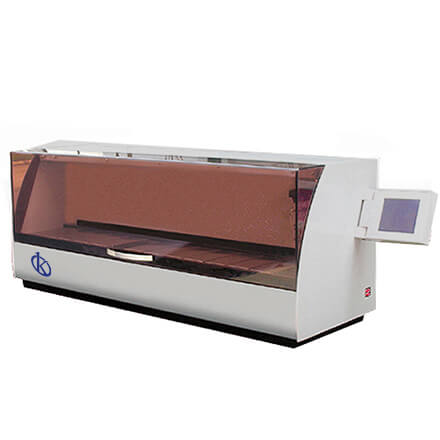
Understanding ISO/IEC Norms and Regulatory Compliance for Automatic Slide Stainers in Laboratories
In the modern laboratory environment, regulatory compliance is not simply a requirement; it is a foundational element that influences the operational efficiency and reliability of processes. Automatic slide stainers, integral in pathological anatomy, are subject to various ISO/IEC standards that ensure their effectiveness and safety. This article delves into the critical ISO/IEC norms impacting automatic slide stainers, focusing on their importance for laboratory professionals.
ISO/IEC Norms: An Overview
ISO (International Organization for Standardization) and IEC (International Electrotechnical Commission) set essential standards that guide the quality and safety of laboratory equipment. Compliance with these standards ensures that laboratories maintain operational excellence while fulfilling regulatory requirements. Key norms for automatic slide stainers include ISO 17025, which outlines the competence of testing and calibration laboratories, and IEC 61010, focusing on the safety requirements for electrical equipment used in measurement, control, and laboratory processes.
ISO 17025: Ensuring Quality and Competence
ISO 17025 is a pivotal standard that establishes the requirements for a laboratory's competence to carry out tests and calibrations. Adhering to this standard is vital for laboratories using automatic slide stainers as it ensures reliable results. Automatic slide stainers like the YR435 and YR436-1 can enhance compliance by providing high-quality, reproducible results that meet the rigorous demands of ISO 17025.
IEC 61010: Safety and Performance Standards
IEC 61010 outlines the safety requirements for electrical equipment, which is crucial for automatic slide stainers. The YR435-1, for instance, is designed with user safety in mind, featuring protection against electrical hazards and ensuring safe operation in laboratory settings. Compliance with IEC 61010 not only protects users but also enhances the credibility of laboratory results.
Documentation Requirements for Regulatory Compliance
Proper documentation is a cornerstone of compliance with ISO/IEC norms. Laboratories must maintain detailed records of operations and calibrations for automatic slide stainers. This includes protocols for quality control and validation checks, which ensure that models like YR435 and YR436-1 consistently perform to the required standards. Documentation serves as evidence during audits and reinforces trust in the laboratory's operations.
Traceability in Laboratory Practices
Traceability refers to the ability to verify the history, location, or application of an item through documented records. For automatic slide stainers, ensuring that each staining procedure is traceable enhances quality assurance and compliance with ISO 17025. Implementing traceability practices, including calibration logs for the YR435 model, supports laboratories in meeting regulatory standards and ensures high-quality output.
Benefits of Compliance with ISO/IEC Standards
Compliance with ISO/IEC norms provides numerous benefits, including increased operational efficiency, reduced risk of errors, and enhanced credibility. Laboratories utilizing models like YR435-1 can expect improved workflow efficiency, as these automatic slide stainers are designed to adhere to the highest standards, thereby reducing the likelihood of non-compliance. Ultimately, this leads to better patient outcomes and greater trust in laboratory results.
Comparison of Available Models
| Model | ISO/IEC Clauses Covered | Traceability Features | Best For |
|---|---|---|---|
| YR435 | ISO 17025, IEC 61010 | Automated data logging | General staining protocols |
| YR435-1 | ISO 17025 | Comprehensive documentation | Specialized staining needs |
| YR436-1 | IEC 61010 | Real-time monitoring | Compact laboratory settings |
Common Mistakes and How to Avoid Them
Laboratories often encounter pitfalls in regulatory compliance due to inadequate training, lack of proper documentation, and failure to regularly maintain equipment. Ensuring that all personnel understand ISO/IEC norms and how they apply to automatic slide stainers is crucial. Regular training sessions and audits can prevent non-compliance issues and ensure that models like the YR435 and YR435-1 are operated according to the standards.
Frequently Asked Questions
What are the key ISO/IEC standards for automatic slide stainers in laboratories?
The key ISO/IEC standards for automatic slide stainers include ISO 17025 and IEC 61010. These standards ensure that laboratory equipment like the YR435 and YR436-1 meets the required safety and quality benchmarks.
How does compliance with ISO 17025 affect the use of automatic slide stainers?
Compliance with ISO 17025 enhances the reliability of results generated by automatic slide stainers. Models like the YR435 ensure that laboratories maintain the highest standards of quality and competence, which is essential for accurate testing.
Why is documentation important for regulatory compliance in laboratories?
Documentation is crucial for regulatory compliance as it provides an audit trail that verifies a laboratory's adherence to standards. Keeping detailed records for models like the YR435-1 supports accountability and transparency in laboratory practices.
How can I ensure traceability in my laboratory's staining procedures?
To ensure traceability, laboratories should implement thorough documentation and automated tracking systems for each staining procedure. Using models like the YR436-1 can facilitate these practices, enhancing compliance with ISO standards.
What are the consequences of non-compliance with ISO/IEC norms in laboratories?
Non-compliance with ISO/IEC norms can lead to legal repercussions, loss of accreditation, and compromised patient safety. Regular auditing and adherence to standards provided by models like YR435 can mitigate these risks.
Which automatic slide stainer model is best for specialized staining techniques?
The YR435-1 is ideal for specialized staining techniques due to its capacity for concurrent and individual staining operations. This flexibility allows laboratories to meet specific compliance requirements effectively.
How often should automatic slide stainers be calibrated for compliance?
Automatic slide stainers should be calibrated regularly, typically every six months, to ensure compliance with standards like ISO 17025. This practice ensures models like YR435 operate at optimal performance levels.
What measures can be taken to improve compliance in my laboratory?
To improve compliance, laboratories should invest in staff training, maintain up-to-date documentation, and utilize reliable equipment such as the YR436-1, which adheres to safety and performance standards.
If you are looking for a fusion of innovation and quality, you have come to the right place. At Kalstein, we offer you the luxury of exploring our exclusive catalog of laboratory equipment. We manufacture every device to the highest standards of excellence. Our intuitive and seamless online purchasing channels are designed for your convenience, securing the most competitive prices. Hesitate no longer — we bring science to life, it is time to become part of our community.