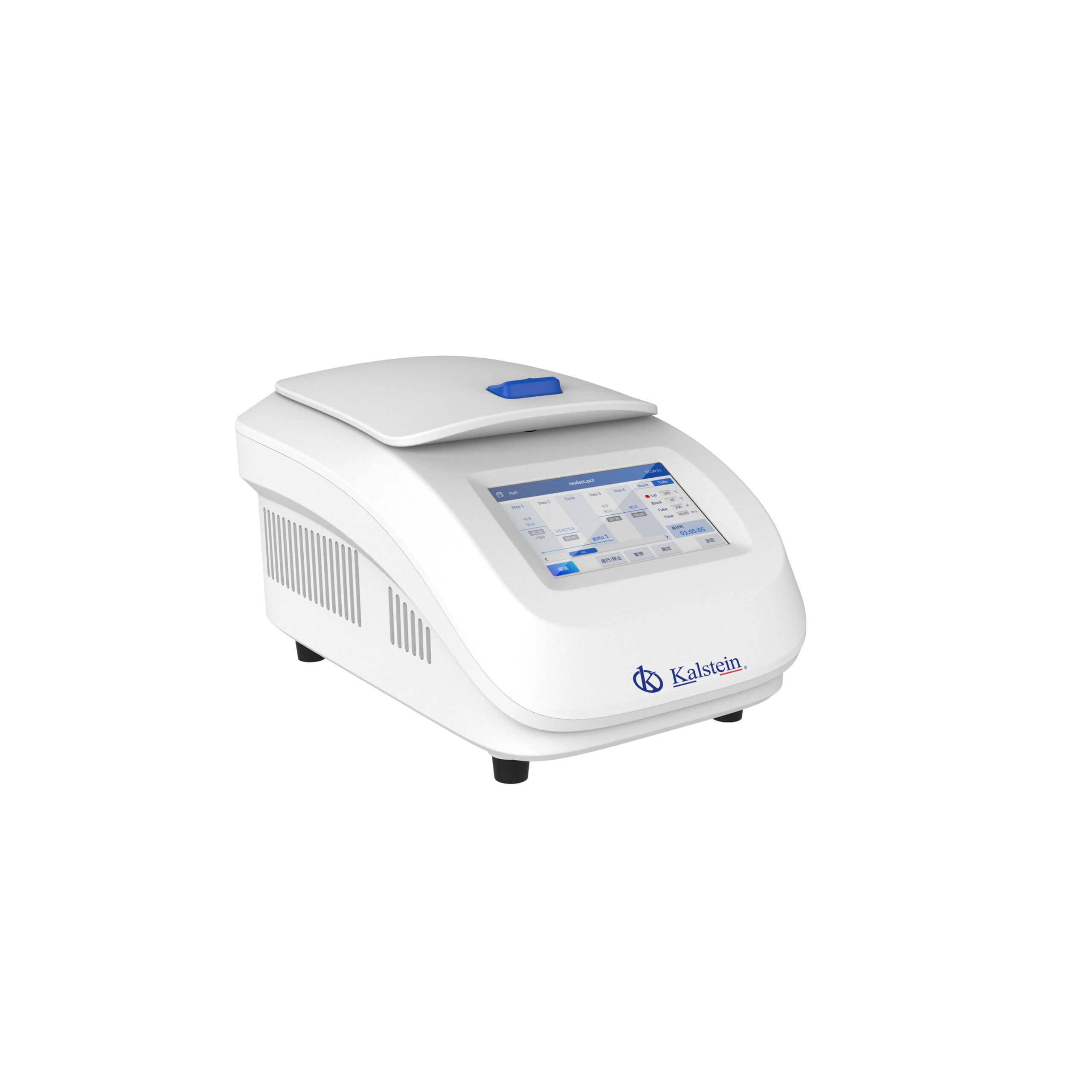
ISO/IEC Norms and Regulatory Compliance in Laboratory: Insights on Biochemical BOD Incubators
The capacity to meet ISO/IEC norms is paramount for laboratories seeking to ensure quality and compliance in their operations. This article delves into how biochemical BOD incubators contribute to meeting such standards, offering valuable insights for laboratory professionals.
Understanding ISO/IEC Standards and Their Importance
ISO/IEC standards provide a framework for quality assurance in various fields, including laboratory operations. ISO 17025, for instance, outlines the requirements for the competence of testing and calibration laboratories, ensuring that they can produce valid and reliable results. Compliance with these standards not only enhances the credibility of laboratory results but also improves operational efficiency.
How Biochemical BOD Incubators Facilitate Compliance
Biochemical BOD incubators are essential for laboratories performing biochemical oxygen demand (BOD) tests. These incubators maintain precise temperature control, which is crucial for accurate BOD determinations. Models such as the Heated Lid Dry Bath Incubator YR05889 and YR05890 are designed to meet stringent temperature requirements, thereby supporting adherence to ISO 17025 standards.
Key ISO/IEC Standards Relevant to Biochemical BOD Incubators
Several ISO/IEC standards are particularly relevant when discussing biochemical BOD incubators:
- ISO 17025: Focuses on laboratory competence and quality management.
- ISO 15189: Pertains to quality and competence in medical laboratories.
- IEC 61010: Deals with the safety requirements for electrical equipment used in laboratories.
Comparison of Available Models
| Model | ISO/IEC Clauses Covered | Traceability Features | Best For |
|---|---|---|---|
| YR05889 | ISO 17025 | Temperature calibration | High-precision BOD testing |
| YR05890 | ISO 17025 | Temperature calibration | Flexible cooling and heating applications |
| YR05891 | ISO 17025 | Automatic calibration | Small laboratory setups |
| YR05892 | ISO 17025 | Automatic calibration | Portable applications |
| YR05893 | ISO 17025 | Automatic calibration | Field testing |
| YR05894 | ISO 17025 | LED display accuracy | Multi-sample analysis |
Audit Checklists for Ensuring Compliance
When utilizing biochemical BOD incubators, regular audits are crucial for compliance with ISO/IEC standards. An effective audit checklist may include:
- Verification of temperature calibration for incubators.
- Documentation of maintenance and service records.
- Assessment of staff training on standard operating procedures.
- Review of sample traceability from collection to analysis.
Documentation Requirements for Compliance
Complying with ISO/IEC norms requires thorough documentation. For biochemical BOD incubators, essential documents include:
- Calibration certificates for temperature monitoring devices.
- Operation manuals for each incubator model.
- Records of routine maintenance and repairs.
- Training records of personnel involved in BOD testing.
Common Mistakes and How to Avoid Them
Ensuring compliance with ISO/IEC standards can be challenging. Common mistakes include:
- Neglecting regular calibration of incubators, leading to inaccurate results.
- Inadequate training of staff on compliance protocols.
- Failure to maintain comprehensive documentation.
To avoid these pitfalls, laboratories should establish a regular audit schedule and invest in training programs for staff.
Frequently Asked Questions
How do biochemical BOD incubators help achieve ISO 17025 compliance?
Biochemical BOD incubators like the YR05889 ensure precise temperature control, which is crucial for compliance with ISO 17025 standards. Accurate temperature maintenance supports valid test results in BOD assessments.
What documentation is required for BOD incubators under ISO standards?
ISO standards require laboratories to maintain calibration certificates, operation manuals, and maintenance records for BOD incubators such as the YR05890 to demonstrate compliance and traceability.
Which model is recommended for small laboratory settings to meet compliance?
The Mini Dry Bath Incubator YR05891 is ideal for small laboratory settings, providing portability and compliance with ISO 17025 standards through its accurate temperature control features.
How often should BOD incubators be calibrated for ISO compliance?
BOD incubators should be calibrated regularly, at least biannually, to ensure compliance with ISO standards. This is critical for models like the YR05892, which are used for precise temperature-sensitive applications.
What are the energy consumption metrics for biochemical BOD incubators?
Biochemical BOD incubators like the YR05894 typically consume around 150W, depending on the operational mode. Understanding energy metrics is essential for labs aiming for sustainability while meeting compliance standards.
How can I ensure traceability in BOD testing?
To ensure traceability in BOD testing, it is essential to document every step from sample collection to analysis, utilizing incubators like the YR05889 that incorporate automatic calibration features to maintain accuracy.
What are the safety standards applicable to laboratory incubators?
Laboratory incubators, including biochemical BOD incubators, must comply with IEC 61010 safety standards. This ensures that models like the YR05890 are safe for use while minimizing risks associated with electrical equipment in the lab.
Conclusion
Choosing the right biochemical BOD incubator is essential for meeting ISO/IEC standards. The models discussed in this article provide various features suited for different laboratory needs, ensuring compliance while enhancing operational efficiency.
If you are looking for a fusion of innovation and quality, you have come to the right place. At Kalstein, we offer you the luxury of exploring our exclusive catalog of laboratory equipment. We manufacture every device to the highest standards of excellence. Our intuitive and seamless online purchasing channels are designed for your convenience, securing the most competitive prices. Hesitate no longer — we bring science to life, it is time to become part of our community.