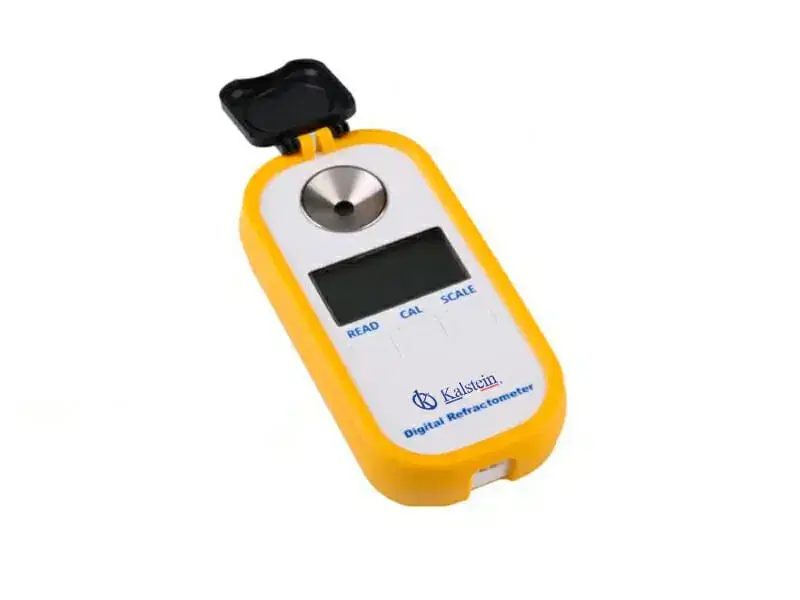
Understanding ISO/IEC Standards and Regulatory Compliance in Digital BRIX+ Salinity Refractometers
The integration of ISO/IEC standards is crucial for laboratories aiming to maintain high-quality performance and compliance in their operations. Digital BRIX+ Salinity Refractometers, including models such as YR05961, YR05962, YR05963, YR05964, and YR05965, serve essential roles in measuring sugar concentration and salinity in aqueous solutions. This article delves deeply into the regulatory landscape surrounding these instruments, focusing on norms, compliance strategies, and how these models meet stringent requirements.
ISO/IEC Standards Overview for Laboratory Equipment
The ISO/IEC standards provide a framework for ensuring accuracy, reliability, and safety in laboratory environments. Specifically, ISO 17025 outlines the requirements for competence of testing and calibration laboratories, which is particularly relevant for the accurate operation of Digital BRIX+ Salinity Refractometers. Compliance with this standard ensures that laboratories can produce valid data and consistently meet the expectations of regulatory bodies.
Key ISO/IEC Standards Relevant to Digital BRIX+ Salinity Refractometers
Several key ISO/IEC standards are essential for laboratories using Digital BRIX+ Salinity Refractometers. These include ISO 17025, which establishes requirements for laboratory quality management and technical competence, and IEC 61010, which ensures safety requirements for electrical equipment used in measurement, control, and laboratory use. Understanding how these standards influence the operation and certification of refractometers is critical for compliance.
Audit Checklists for Compliance with ISO/IEC Standards
When preparing for audits, laboratories should develop comprehensive checklists that include criteria specific to ISO/IEC standards. These checklists should assess documentation practices, equipment calibration protocols, and staff training. For instance, the Digital BRIX Refractometer YR05961 features automatic temperature compensation, which should be documented to ensure compliance with ISO 17025 regarding environmental conditions.
Documentation Requirements for Regulatory Compliance
Effective documentation is central to regulatory compliance. Laboratories should maintain records of calibration, maintenance, and operational procedures for each model, including YR05962 and YR05963. This documentation serves as proof of compliance and should be readily available for audits and inspections.
Traceability in Measurement Practices
Traceability is a principle that ensures measurements made by Digital BRIX+ Salinity Refractometers are consistent and reliable. Each model, such as YR05964, must be traceable to national or international standards. This can be achieved through documented calibration against recognized reference materials and regular verification of the refractometers' performance.
How Digital BRIX+ Salinity Refractometers Assist with Compliance
Digital BRIX+ Salinity Refractometers are designed to facilitate compliance with ISO/IEC standards. For example, model YR05965 allows for precise measurement of salinity, which is crucial in applications where accurate readings are mandated by regulatory bodies. This enhances a laboratory's ability to perform consistent and reliable analyses, ensuring adherence to industry standards.
Comparison of Available Models
| Model Code | Measurement Range | Minimum Division | Accuracy | Automatic Temperature Compensation | Best For |
|---|---|---|---|---|---|
| YR05961 | 0-50% Brix | 0.10% | ±0.2% | Yes | Fruit juices, syrups |
| YR05962 | 0-280‰ Salinity | 0.10% | ±0.2% | Yes | Salinity of seawater |
| YR05963 | 0-280‰ Salinity | 1‰ | ±2‰ | Yes | General salinity measurements |
| YR05964 | 1.000-1.217 Density | 0.001 | ±0.002 | Yes | Density measurements |
| YR05965 | 1.3330-1.4200 nD | 0.0001 nD | ±0.0003 nD | Yes | Index of refraction |
Common Mistakes and How to Avoid Them
Laboratories often encounter pitfalls when working with Digital BRIX+ Salinity Refractometers. Common mistakes include improper calibration techniques and neglecting to document operational procedures. To avoid these issues, labs should adhere to ISO 17025 guidelines, ensure regular maintenance of models like YR05961 and YR05962, and train staff to follow standardized operating procedures diligently.
Frequently Asked Questions
How can I ensure compliance with ISO 17025 using a Digital BRIX Refractometer?
To ensure compliance with ISO 17025, regular calibration of your Digital BRIX Refractometer, such as the YR05961, should be performed. Additionally, maintain detailed records of calibration and operational procedures to demonstrate adherence to the standard.
What are the benefits of automatic temperature compensation in Digital BRIX Refractometers?
Automatic temperature compensation (ATC) helps maintain accuracy in measurements made with models like YR05962, regardless of temperature fluctuations. This feature aligns with the precision requirements specified by ISO standards, enhancing compliance and reliability.
Which model is best for measuring salinity in compliance with IEC standards?
The YR05962 model is specifically designed for salinity measurements and includes ATC, making it suitable for compliance with IEC standards for safety and performance. Its accuracy and range are essential for regulatory adherence.
How often should I calibrate my Digital BRIX Refractometer for ISO compliance?
Calibration frequency depends on usage intensity; however, for models like YR05963, recalibration every 6 months is recommended to comply with ISO 17025 guidelines and ensure measurement accuracy.
What documentation is required for ISO compliance when using Digital BRIX Refractometers?
Documentation should include calibration records, maintenance logs, and training records for personnel operating devices like the YR05964. This will support compliance during audits and demonstrate adherence to ISO standards.
How does traceability impact the accuracy of measurements from Digital BRIX Refractometers?
Traceability ensures that measurements from models such as YR05965 are linked to national or international standards, thereby enhancing the credibility of test results and compliance with ISO/IEC standards.
What common operational mistakes should I avoid with Digital BRIX Refractometers?
Common mistakes include failing to perform regular maintenance and neglecting proper calibration for models like YR05961. Training staff and adhering to ISO guidelines can help mitigate these risks.
How do Digital BRIX Refractometers assist in meeting regulatory laboratory standards?
Digital BRIX Refractometers assist in meeting regulatory standards by providing accurate and reliable measurements, such as with model YR05962, which is essential for compliance with ISO and IEC standards in laboratory settings.
If you are looking for a fusion of innovation and quality, you have come to the right place. At Kalstein, we offer you the luxury of exploring our exclusive catalog of laboratory equipment. We manufacture every device to the highest standards of excellence. Our intuitive and seamless online purchasing channels are designed for your convenience, securing the most competitive prices. Hesitate no longer — we bring science to life, it is time to become part of our community.