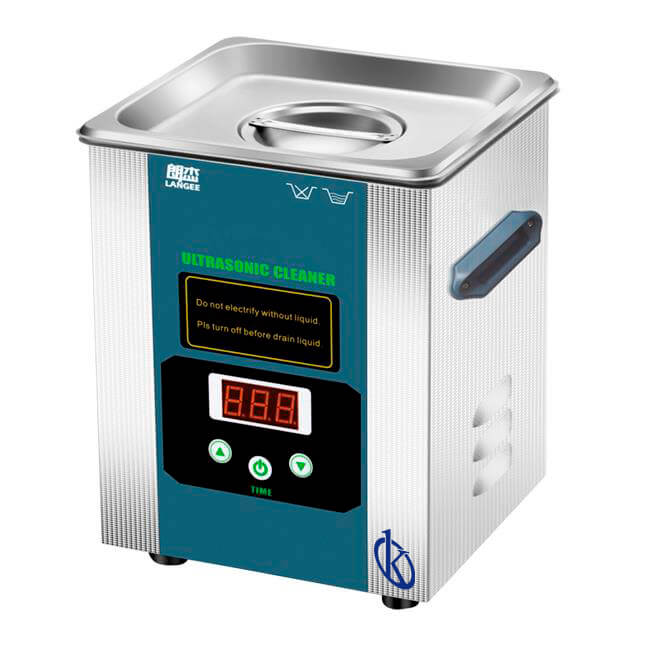
ISO/IEC Standards and Regulatory Compliance in Mechanical Desktop Ultrasonic Cleaners
In the landscape of laboratory equipment, Mechanical Desktop Ultrasonic Cleaners play a pivotal role in ensuring the cleanliness and sterility of various tools and components. This article delves into how these ultrasonic cleaners align with international ISO/IEC regulations, enhancing compliance and operational efficiency in laboratories.
Understanding ISO/IEC Standards Relevant to Ultrasonic Cleaners
ISO/IEC standards provide a framework for ensuring quality and safety in laboratory environments. Among these, ISO 17025, which pertains to testing and calibration laboratories, is crucial. It encompasses requirements for the competence of testing and calibration laboratories, emphasizing the importance of accurate cleaning procedures facilitated by ultrasonic cleaners.
Another relevant standard is IEC 61010, which specifies safety requirements for electrical equipment used in measurement, control, and laboratory applications, including ultrasonic cleaners. Compliance with these standards is essential for laboratories aiming to uphold quality assurance in their operations.
How Mechanical Desktop Ultrasonic Cleaners Aid in Compliance
Mechanical Desktop Ultrasonic Cleaners such as the YR05207, YR05202, and YR05206 are designed to meet stringent cleaning protocols required by ISO/IEC standards. These machines utilize high-frequency sound waves to produce cavitation bubbles in a liquid, effectively removing contaminants from delicate items such as jewelry or laboratory tools.
For instance, the YR05202 model, with its adjustable frequencies, allows labs to select the optimal setting for different cleaning tasks, thus aligning with the varying requirements of ISO guidelines. This adaptability is critical in environments where compliance with specific cleaning standards is mandatory, ensuring that no residue is left on cleaned items.
ISO 17025 Compliance and Ultrasonic Cleaners
ISO 17025 mandates that laboratories must demonstrate their ability to produce valid results. One of the key aspects of this is maintaining cleanliness in equipment and tools, which can be efficiently achieved through ultrasonic cleaning technology. Models like YR05204 and YR05205 offer superior cleaning capabilities, thus supporting compliance efforts.
Moreover, these ultrasonic cleaners provide validation documentation that is often required for ISO 17025 accreditation. This documentation includes machine calibration certificates and cleaning validation reports, which play a significant role during audits and inspections.
IEC 61010: Safety Compliance in Ultrasonic Cleaning
Safety is paramount in laboratory settings, and IEC 61010 provides guidelines to ensure that electrical equipment operates safely. Mechanical Desktop Ultrasonic Cleaners such as the YR05203 are designed with multiple safety features, including automatic shut-off and overheat protection, thus ensuring compliance with IEC 61010 standards.
By investing in compliant equipment, laboratories can minimize risks associated with equipment failures and ensure a safe working environment, which is essential for maintaining regulatory compliance.
Documentation Requirements for Regulatory Compliance
Regulatory compliance necessitates meticulous documentation practices. Ultrasonic cleaners, by nature, can assist in this regard by providing logs of cleaning cycles, temperature settings, and maintenance schedules. The YR05206 model, for example, allows for temperature control settings that can be logged for compliance purposes.
Maintaining these records not only supports ISO/IEC compliance but also enhances traceability, a critical requirement in laboratory settings. Implementing a robust documentation system can lead to improved audit readiness and operational transparency.
Comparison of Available Models
| Model | Tank Capacity (L) | Power (W) | Ultrasonic Frequency (kHz) | Price (USD) | Compliance Features |
|---|---|---|---|---|---|
| YR05207 | 1.3 | 70 | 40 | 43.00 | Basic cleaning, suitable for delicate items |
| YR05202 | 11 | 240 | 40/80/120 | 540.00 | Multi-frequency, suitable for larger components |
| YR05203 | 15 | 360 | 40/80/120 | 640.00 | Enhanced cleaning effectiveness for complex geometries |
| YR05204 | 20 | 360 | 40/80/120 | 680.00 | Best for cleaning larger laboratory tools |
| YR05205 | 22 | 480 | 40/80/120 | 760.00 | High power for intensive cleaning tasks |
| YR05206 | 30 | 600 | 40/80/120 | 810.00 | Ideal for fulfilling stringent compliance requirements |
Common Mistakes and How to Avoid Them
Laboratories often make critical mistakes regarding the operation and maintenance of ultrasonic cleaners that can impact compliance. One common error is failing to calibrate the ultrasonic cleaner regularly. Calibration is essential to ensure that the equipment performs optimally, as required by ISO 17025.
Another frequent mistake is neglecting to document cleaning processes and outcomes. Maintaining comprehensive records is crucial for traceability and compliance verification. Implementing a systematic approach to documentation and periodic training for laboratory personnel can significantly mitigate these risks.
Frequently Asked Questions
How can mechanical desktop ultrasonic cleaners help meet ISO 17025 requirements?
Mechanical desktop ultrasonic cleaners like the YR05206 ensure compliance with ISO 17025 by providing effective cleaning that meets stringent quality standards. These models offer documentation features that facilitate traceability, essential for audits and maintaining accreditation.
Which ultrasonic cleaner model is best for laboratories needing IEC 61010 compliance?
The YR05203 model is an excellent choice for laboratories requiring IEC 61010 compliance. It features safety mechanisms such as overheat protection, ensuring safe operation while meeting regulatory standards for electrical equipment.
What documentation is required for ultrasonic cleaners under ISO/IEC standards?
Documentation for ultrasonic cleaners under ISO/IEC standards includes calibration records, cleaning validation reports, and operational logs. Models like the YR05202 provide features that help maintain these essential records for compliance.
How does ultrasonic cleaning support laboratory safety standards?
Ultrasonic cleaning supports laboratory safety standards by minimizing manual cleaning efforts that may expose personnel to hazardous materials. Using models like the YR05205 reduces the risk of spills and accidents, aligning with safety protocols.
What are the cost implications of using ultrasonic cleaners for regulatory compliance?
Investing in ultrasonic cleaners such as the YR05204 can lead to cost savings in the long run by reducing manual labor and ensuring compliance with regulations. The initial investment is outweighed by the benefits of maintaining cleanliness and avoiding potential fines.
Which ultrasonic cleaner is most energy-efficient for laboratory use?
The YR05202 model is recognized for its energy efficiency, providing various frequency settings that optimize power use during cleaning cycles. This model helps laboratories meet sustainability goals while maintaining compliance with industry standards.
Can ultrasonic cleaners be integrated into a laboratory's existing quality management system?
Yes, ultrasonic cleaners such as the YR05206 can be seamlessly integrated into a laboratory's quality management system. Their ability to produce consistent cleaning results enhances overall compliance with quality management standards.
If you are looking for a fusion of innovation and quality, you have come to the right place. At Kalstein, we offer you the luxury of exploring our exclusive catalog of laboratory equipment. We manufacture every device to the highest standards of excellence. Our intuitive and seamless online purchasing channels are designed for your convenience, securing the most competitive prices. Hesitate no longer — we bring science to life, it is time to become part of our community.