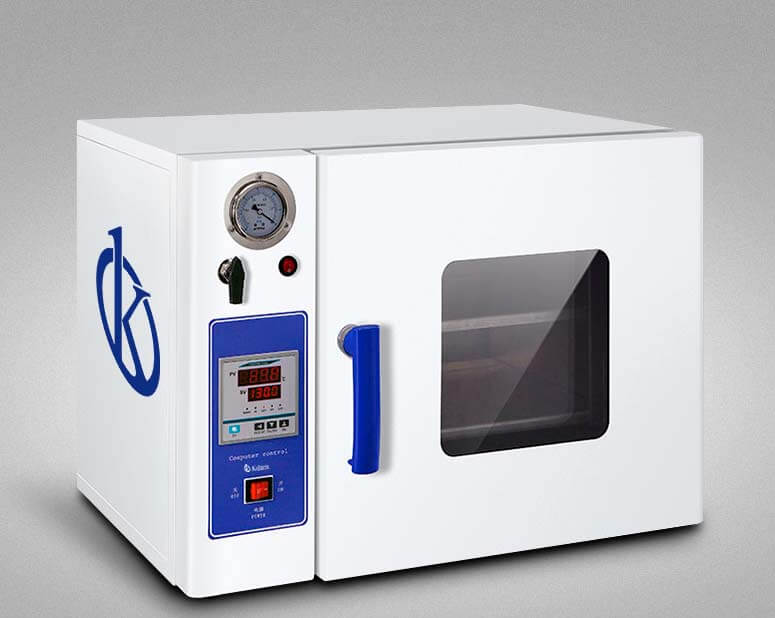
ISO/IEC Standards and Regulatory Compliance in Laboratory Vacuum Ovens
Laboratories are increasingly required to adhere to stringent ISO/IEC standards, ensuring compliance and quality assurance in their operations. This article delves into how vacuum ovens, essential equipment for various laboratory processes, meet these regulatory frameworks. Understanding the compliance landscape helps laboratory professionals make informed decisions when selecting vacuum ovens.
Understanding ISO/IEC Standards Related to Vacuum Ovens
ISO/IEC standards encompass a wide range of requirements that laboratories must follow to ensure safety, reliability, and efficiency in their operations. In the context of vacuum ovens, specific standards like ISO 17025 and IEC 61010 play a crucial role.
ISO 17025 outlines the general requirements for the competence of testing and calibration laboratories. This includes the need for equipment that ensures consistent and reliable results. Vacuum ovens must maintain specified temperature ranges and vacuum levels, crucial for processes such as drying and sterilization.
IEC 61010, on the other hand, focuses on the safety requirements of electrical equipment for measurement, control, and laboratory use. Compliance with this standard ensures that vacuum ovens are designed to operate safely under various laboratory conditions, protecting both users and samples.
Key Features of Vacuum Ovens in Compliance with ISO/IEC Standards
When evaluating vacuum ovens, laboratory professionals should look for features that align with ISO/IEC standards. These include:
- Temperature Control: Accurate temperature control is essential. Ovens like the YR05260-A offer a range from room temperature +5 °C to 250 °C, with an accuracy of ±1 °C.
- Vacuum Levels: Maintaining a low vacuum level (<133 Pa) is critical for effective drying and sterilization processes. Models such as the YR05263-SS are designed to achieve this efficiently.
- Material Quality: The construction material affects both performance and compliance. Stainless steel options, like the YR05262-SS, provide durability and meet safety requirements outlined in IEC 61010.
Comparison of Available Models
| Model | Temperature Range (°C) | Vacuum Level (Pa) | Best For |
|---|---|---|---|
| YR05260-A | RT + 5 ~ 250 | < 133 | Biochemical and pharmaceutical applications |
| YR05261-A | RT + 5 ~ 250 | < 133 | Sensitive material drying |
| YR05262-SS | RT + 5 ~ 250 | < 133 | Environmental research applications |
| YR05263-SS | RT + 5 ~ 250 | < 133 | Complex material sterilization |
| YR05264-A | RT + 5 ~ 250 | < 133 | Pharmaceutical research |
| YR05265-SS | RT + 5 ~ 250 | < 133 | High-precision applications |
Common Mistakes and How to Avoid Them
In the quest for regulatory compliance, laboratories often make common mistakes when selecting vacuum ovens:
- Overlooking Specifications: It’s vital to ensure that the selected model meets the specific ISO/IEC requirements. For instance, not checking the vacuum level could lead to ineffective drying processes.
- Ignoring Maintenance: Regular calibration and maintenance are necessary for compliance with ISO 17025. Failure to adhere to these can result in non-compliance during audits.
- Underestimating Documentation Needs: Proper documentation is crucial for traceability. Ensure all operational protocols are documented in accordance with ISO standards.
Addressing Regulatory Compliance in Vacuum Oven Usage
To maintain compliance with ISO/IEC standards, laboratories must develop clear protocols for using vacuum ovens. This includes:
- Training Staff: Ensure all personnel are trained on the equipment's specifications and compliance requirements.
- Implementing Standard Operating Procedures (SOPs): Create SOPs that detail the operational processes for each model, including the YR05260-A and YR05265-SS, to ensure consistency.
- Conducting Regular Audits: Schedule audits to verify compliance with ISO 17025 and IEC 61010 standards.
Establishing Compliance Metrics
To ensure ongoing compliance, laboratories should establish key performance indicators (KPIs). These may include:
- Calibration Frequency: Determine how often each vacuum oven needs calibration based on usage. A typical interval might be every six months.
- Performance Testing: Regularly test the ovens for temperature accuracy and vacuum levels to ensure adherence to specified standards.
- Documentation Review: Regularly review documentation for completeness and accuracy, aligning with ISO 17025 requirements.
Frequently Asked Questions
Which ISO/IEC standards are essential for vacuum ovens in laboratories?
The key standards include ISO 17025, which focuses on competence in testing, and IEC 61010, which addresses safety requirements for laboratory equipment. Compliance with these standards ensures that vacuum ovens, such as the YR05260-A, operate safely and effectively within the lab environment.
What are the main features to look for in a compliant vacuum oven?
When selecting a compliant vacuum oven, look for features like precise temperature control (±1 °C), low vacuum levels (<133 Pa), and durable materials. Models like YR05262-SS and YR05263-SS exemplify these characteristics, making them suitable for various laboratory applications.
How can I ensure my vacuum oven maintains compliance with ISO 17025?
To ensure compliance with ISO 17025, establish regular calibration schedules, maintain detailed operational records, and conduct frequent performance checks. Using models like YR05261-A will help maintain high standards in operation and results.
What are common operational mistakes when using vacuum ovens?
Common mistakes include neglecting equipment specifications, failing to maintain proper documentation, and overlooking staff training on SOPs. Proper use of models such as YR05264-A can avoid these issues if the right protocols are followed.
How often should vacuum ovens be calibrated for compliance?
Calibration frequency typically depends on usage but should occur at least every six months to ensure compliance with ISO standards. This practice is critical for models like YR05265-SS to maintain accuracy in laboratory results.
What documentation is necessary for vacuum oven compliance?
Documentation should include maintenance logs, calibration records, and operational SOPs. These records are essential for compliance with ISO 17025 and can help prevent non-compliance during inspections of models like YR05260-A.
How should I train staff for vacuum oven operations and compliance?
Training should cover equipment specifications, safety protocols, and compliance requirements. Educating staff on the features of models such as YR05261-A ensures they can effectively operate and maintain the vacuum ovens in adherence to regulatory standards.
How do vacuum ovens contribute to regulatory compliance in laboratories?
Vacuum ovens support regulatory compliance by providing controlled environments for drying and sterilization processes that meet ISO/IEC standards. Models like YR05263-SS ensure that laboratories can consistently produce reliable and compliant results.
If you are looking for a fusion of innovation and quality, you have come to the right place. At Kalstein, we offer you the luxury of exploring our exclusive catalog of laboratory equipment. We manufacture every device to the highest standards of excellence. Our intuitive and seamless online purchasing channels are designed for your convenience, securing the most competitive prices. Hesitate no longer — we bring science to life, it is time to become part of our community.