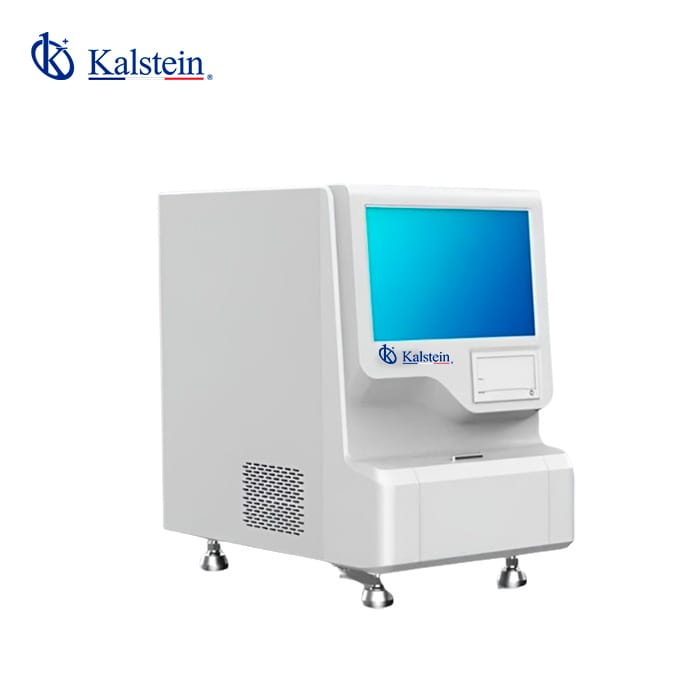
How to Achieve Effective LIMS Integration with Chemiluminescence Immunoassay Analyzers
As laboratories continue to evolve and embrace digitalization, the integration of Laboratory Information Management Systems (LIMS) with advanced analyzers, such as Chemiluminescence Immunoassay Analyzers, has become paramount. This article explores the significance of LIMS integration in optimizing data flow, enhancing productivity, complying with standards, and improving decision-making processes in clinical settings.
Understanding LIMS Integration in Clinical Laboratories
LIMS integration is a crucial aspect of modern laboratory operations, enabling seamless communication between various instruments and data management systems. This integration allows for real-time data tracking, sample management, and accurate reporting, which significantly enhances laboratory efficiency. Chemiluminescence Immunoassay Analyzers, known for their rapid and precise results, can be enhanced through effective LIMS integration, fulfilling the increasing demand for data-driven laboratory solutions.
Benefits of LIMS Integration with Chemiluminescence Immunoassay Analyzers
Integrating LIMS with Chemiluminescence Immunoassay Analyzers offers numerous advantages, including:
- Improved Data Management: Automated data entry reduces human errors, ensuring that patient results are accurately recorded.
- Efficiency Gains: Streamlining workflows can lead to faster turnaround times for test results, significantly impacting patient care.
- Enhanced Regulatory Compliance: LIMS can manage compliance documentation and facilitate audits, helping laboratories maintain adherence to standards such as ISO 17025.
Key Protocols for LIMS Integration
To achieve seamless integration, laboratories should consider using standard communication protocols such as HL7, ASTM, or REST APIs. These protocols ensure that Chemiluminescence Immunoassay Analyzers, like the YR06387 and YR06388, can effectively transmit and receive data, thus improving the overall laboratory workflow.
Comparison of Available Models
| Model | Data Management Features | Sample Compatibility | Best Use Case |
|---|---|---|---|
| YR06387 | 8000 tests/hour, supports multiple data formats | Plasma, serum, urine | High-throughput clinical laboratories |
| YR06388 | Supports over 100,000 patient entries | Plasma, serum, urine | Emergency care settings |
| YR06389 | Integrated data reporting and analysis | Plasma, serum | Urgent care facilities |
| YR06390 | Real-time monitoring and alerts | Plasma, serum | High-demand diagnostic labs |
| YR06710 | Compact design for easy integration | Whole blood, plasma, serum | Space-constrained environments |
Common Mistakes and How to Avoid Them
When integrating LIMS with Chemiluminescence Immunoassay Analyzers, laboratories often encounter pitfalls such as inadequate training, underestimating integration time, and failing to customize workflows. To avoid these issues, ensure all staff are properly trained, allocate sufficient time for the integration process, and evaluate the specific workflows that will be affected by the new system.
Integrating Data Flow and Digitalization
Data flow digitalization is critical in modern laboratories. By integrating data from Chemiluminescence Immunoassay Analyzers directly into LIMS, laboratories can ensure that all results are recorded, analyzed, and reported promptly. This promotes a more streamlined process from testing to reporting, ultimately improving patient outcomes.
Implementation Challenges and Solutions
Implementing LIMS integration may present challenges such as compatibility issues with existing systems or resistance to change from staff. To address these challenges, it is essential to conduct a thorough assessment of current systems, involve staff in the planning process, and provide ongoing support and training to ease the transition.
Frequently Asked Questions
What are the key benefits of integrating LIMS with Chemiluminescence Immunoassay Analyzers?
Integrating LIMS with Chemiluminescence Immunoassay Analyzers, such as the YR06390, leads to improved data management, enhanced operational efficiency, and better compliance with standards like ISO 17025. This integration allows for accurate and rapid reporting of test results, ultimately benefiting patient care.
Which Chemiluminescence Immunoassay Analyzer is best for high-throughput testing?
The YR06387 model is ideal for high-throughput testing, capable of processing a large volume of tests per hour while ensuring data integrity through seamless LIMS integration. Its efficiency is crucial for laboratories requiring quick turnaround times for results.
How do I ensure compliance with ISO 17025 using Chemiluminescence Immunoassay Analyzers?
To ensure compliance with ISO 17025, laboratories must maintain proper documentation, calibrate equipment regularly, and ensure that all data is managed effectively through LIMS. Models like the YR06388 facilitate compliance by providing robust data management features.
What protocols should I use for LIMS integration with Chemiluminescence Immunoassay Analyzers?
Common protocols for LIMS integration include HL7 and ASTM. These standards ensure that Chemiluminescence Immunoassay Analyzers, like the YR06389, can effectively communicate with LIMS, facilitating efficient data management and reporting.
How can I optimize the workflow of a clinical lab using LIMS and Chemiluminescence Immunoassay Analyzers?
To optimize workflow, laboratories should customize their LIMS to fit their unique processes, ensuring smooth data flow from Chemiluminescence Immunoassay Analyzers to reporting systems. This enhances efficiency and minimizes errors.
What challenges might arise during LIMS integration with Chemiluminescence Immunoassay Analyzers?
Challenges can include compatibility issues with existing systems and user resistance to change. Addressing these challenges involves proper assessment, staff involvement in planning, and ongoing training and support during the transition.
Which Chemiluminescence Immunoassay Analyzer model is best for urgent care settings?
The YR06388 is particularly well-suited for urgent care settings due to its rapid testing capabilities and efficient integration with LIMS, allowing for quick turnaround of critical results.
Conclusion
In conclusion, the integration of LIMS with Chemiluminescence Immunoassay Analyzers is essential for modern laboratory efficiency. By understanding the benefits, challenges, and strategies for successful integration, laboratories can enhance their operations and improve patient care significantly.
If you are looking for a fusion of innovation and quality, you have come to the right place. At Kalstein, we offer you the luxury of exploring our exclusive catalog of laboratory equipment. We manufacture every device to the highest standards of excellence. Our intuitive and seamless online purchasing channels are designed for your convenience, securing the most competitive prices. Hesitate no longer — we bring science to life, it is time to become part of our community.