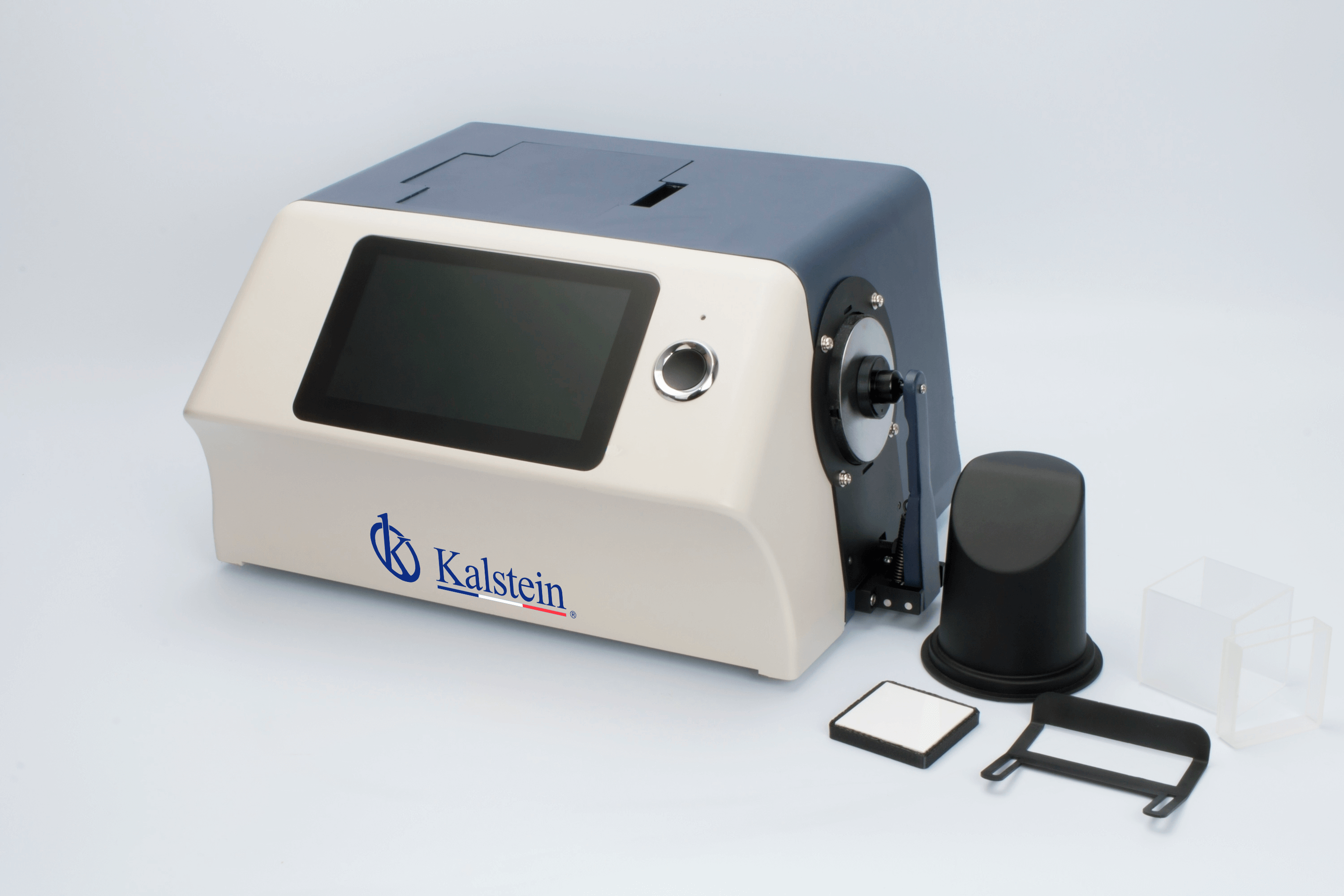
Maximizing Efficiency: LIMS Integration and Data Flow Digitalization in Benchtop Spectrophotometers
In the modern laboratory landscape, the integration of laboratory information management systems (LIMS) and the digitalization of data flow are becoming increasingly vital for enhancing the performance and efficiency of benchtop spectrophotometers. This article delves into how this integration not only streamlines laboratory operations but also ensures compliance with industry standards, ultimately leading to improved accuracy and reliability in results.
The Role of LIMS in Benchtop Spectrophotometry
LIMS plays a pivotal role in managing laboratory data, facilitating seamless communication between instruments and laboratory personnel. It allows for real-time monitoring and analysis of data collected by instruments such as benchtop spectrophotometers. By integrating models like the YR05474 and YR05475, labs can achieve significant improvements in data management, ensuring that all measurements are accurately logged and easily retrievable.
Advantages of Data Flow Digitalization
Digitalized data flows reduce the risk of human error during data entry and analysis. With advanced features like the touch-screen interface in models such as the YR05476, data can be entered and managed directly from the spectrophotometer, enhancing usability and efficiency. This integration simplifies the data collection process, allowing for more accurate monitoring and reporting of results.
Key Connectivity Protocols for LIMS Integration
Effective LIMS integration requires adherence to connectivity protocols such as HL7 and ASTM. These protocols ensure that data from benchtop spectrophotometers, including models YR05477 and YR05478, can be transferred securely and accurately between devices and systems. Labs must evaluate which protocols best meet their operational needs to optimize performance.
Data Sovereignty and Compliance Requirements
Data sovereignty refers to the legal and regulatory framework surrounding data management, which is especially crucial in laboratories. Compliance with standards such as ISO 17025 is essential. Models like the YR05482 can assist in achieving compliance by offering features that ensure traceability and data integrity throughout the testing process.
Sample Integration Architecture
To visualize the integration process, laboratories can adopt a tiered architecture that includes the spectrophotometer, middleware, and LIMS. For example, the YR05475 can serve as the data input point, sending information to a middleware application that formats and relays the data to the LIMS. This architecture facilitates efficient data flow and ensures all stakeholders have access to the necessary information.
Validation Steps for LIMS Integration
Validation is a critical part of LIMS integration, involving several steps, including requirement gathering, design verification, and performance testing. Each model, like the YR05476, must undergo a validation process to ensure it meets both operational requirements and quality standards, confirming that all data is collected and reported accurately.
Comparison of Available Models
| Model | Connectivity | Protocols Supported | Integration Effort | Best For |
|---|---|---|---|---|
| YR05474 | USB, LAN | HL7, ASTM | Moderate | Color analysis in R&D |
| YR05475 | USB, LAN | HL7, ASTM | Moderate | General laboratory use |
| YR05476 | USB, LAN | HL7, ASTM | High | High-throughput labs |
| YR05477 | USB, LAN | HL7, ASTM | Moderate | Multisample analysis |
| YR05478 | USB, LAN | HL7, ASTM | Low | Color measurement in QC |
| YR05482 | USB, Wireless | HL7, ASTM | Medium | Non-contact applications |
Common Mistakes and How to Avoid Them
One of the frequent pitfalls in integrating LIMS with benchtop spectrophotometers is underestimating the complexity of the integration process. Labs often overlook the importance of ensuring compatibility between models and the LIMS. For instance, utilizing models like the YR05475 without properly assessing their integration capabilities can lead to data inconsistencies. Additionally, neglecting the training of personnel on new systems may hinder the successful implementation of the integration.
Frequently Asked Questions
How can LIMS integration improve the accuracy of benchtop spectrophotometry results?
LIMS integration enhances accuracy by automating data logging and minimizing human error. For example, the YR05474 automatically transfers measurement data to the LIMS, ensuring all results are accurately recorded in real-time, thus maintaining compliance with ISO 17025 standards.
What are the key features to look for in a benchtop spectrophotometer for LIMS compatibility?
When selecting a benchtop spectrophotometer for LIMS compatibility, look for features like data export options, standardized protocols such as ASTM, and user-friendly interfaces. Models such as the YR05476 are designed with these capabilities, facilitating easier integration into existing laboratory workflows.
Which benchtop spectrophotometer models are best for laboratories focusing on color analysis?
Models like the YR05478 and YR05477 excel in color analysis due to their stable and precise color measurement capabilities. These models are not only efficient in their operation but also integrate well with LIMS for comprehensive data management.
What is the expected ROI from integrating LIMS with benchtop spectrophotometers?
The ROI from integrating LIMS can be substantial, often leading to reduced operational costs and increased throughput. For instance, utilizing the YR05475 can result in a payback period of six months due to improved efficiency in data processing and reduced errors.
How does digitalization of data flow impact laboratory workflows?
Digitalization streamlines laboratory workflows by automating data entry and analysis, which reduces time spent on manual processes. The YR05482, for example, offers non-contact measurement capabilities that further enhance the speed and efficiency of data collection in laboratory settings.
What challenges might a lab face when implementing LIMS integration?
Challenges include compatibility issues between existing systems and the LIMS, as well as the need for robust training programs for lab personnel. To mitigate these challenges, selecting versatile models like the YR05474 can ease the integration process through their inherent flexibility.
How can validation processes ensure successful LIMS integration?
Validation processes are crucial to verify that the integration meets all operational requirements. By rigorously testing models like the YR05476 during the integration phase, labs can confirm that data is accurately captured and reported, thus complying with regulatory standards.
What additional features can enhance the functionality of benchtop spectrophotometers in labs?
Additional features such as user-friendly software interfaces, extensive connectivity options, and comprehensive reporting capabilities can enhance functionality. Models like the YR05475 come equipped with sophisticated software that supports detailed analysis and reporting, facilitating better decision-making in laboratories.
If you are looking for a fusion of innovation and quality, you have come to the right place. At Kalstein, we offer you the luxury of exploring our exclusive catalog of laboratory equipment. We manufacture every device to the highest standards of excellence. Our intuitive and seamless online purchasing channels are designed for your convenience, securing the most competitive prices. Hesitate no longer — we bring science to life, it is time to become part of our community.