How to Achieve Effective LIMS Integration in Food Safety Analyzers?
In the realm of laboratory operations, particularly within food safety analysis, the integration of Laboratory Information Management Systems (LIMS) plays a pivotal role in enhancing data management and overall efficiency. As laboratory professionals strive for precision, accuracy, and compliance, understanding how to effectively integrate food safety analyzers with LIMS becomes critical. This article delves into the advantages of such integration and compares multiple models that excel in this domain.
The Importance of LIMS Integration in Food Safety Analyzers
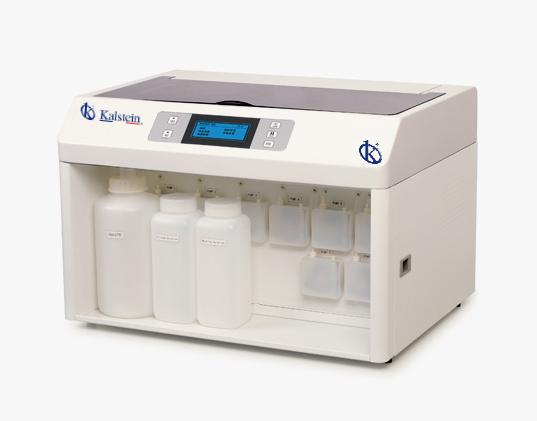
LIMS integration primarily facilitates the seamless flow of data between laboratory instruments and information systems. With food safety analyzers such as the Automated Unique Immunology Analyzer YR06090, Food Safety Analyzer YR06089, and Analyzer and Microplate Incubator Shaker YR06093, laboratories can achieve significant improvements in workflow, speed, and error reduction. Effective LIMS integration supports data traceability, compliance with regulatory standards, and real-time data access for decision-making.
Understanding LIMS Connectivity Protocols
Connectivity protocols are the backbone of LIMS integration. Common standards such as HL7, ASTM, and REST facilitate the exchange of data between food safety analyzers and LIMS. The YR06090, for instance, can be integrated using ASTM protocols to ensure standardized reporting of immunology tests, while the YR06089’s versatility allows it to communicate through various channels, enhancing real-time data access.
Data Flow and Digitalization in Food Safety Analysis
Digitalizing laboratory processes streamlines data collection and analysis. When food safety analyzers are connected to a LIMS, data is automatically captured and organized, reducing manual entry errors. For example, the capabilities of the YR06093 allow for automatic temperature and agitation settings, which, when integrated with a LIMS, can send alerts if parameters deviate from the established norms, ensuring compliance and quality control.
Enhancing Compliance with Regulatory Standards
Food safety regulations require that testing processes are documented accurately. Integrating analyzers like the YR06089 with a LIMS system provides a robust solution for maintaining compliance. Each test result can be automatically logged and linked to respective protocols required by regulatory bodies, thereby ensuring traceability and accessibility during audits.
Reducing Errors and Improving Data Accuracy
Errors in data entry can lead to significant issues in laboratory results. By utilizing models such as the YR06090 with built-in data management features, laboratories can integrate with LIMS to automatically populate test results. This automatic data transfer minimizes human error and enhances the accuracy of reports generated for food safety analysis.
Cost-Effectiveness Through LIMS Integration
Incorporating LIMS with food safety analyzers can lead to substantial cost savings. The automation of data entry and sample tracking reduces labor costs and improves efficiency. By employing the YR06093, laboratories can manage sample incubation and analysis, allowing for optimized throughput and reduced operational costs.
Comparison of Available Models
| Model | Connectivity | Protocols Supported | Integration Effort | Best For |
|---|---|---|---|---|
| YR06090 | ASTM | HL7, ASTM | Moderate | High Throughput Labs |
| YR06089 | REST | REST, CSV | Low | Versatile Testing |
| YR06093 | Direct | Custom API | High | Incubation and Shaking |
Common Mistakes and How to Avoid Them
In the pursuit of effective LIMS integration, common pitfalls can derail laboratory operations. One frequent mistake is underestimating the complexity of data protocols. It’s crucial to assess the specific protocols supported by each analyzer and ensure compatibility with the chosen LIMS. Additionally, failure to train staff adequately on new systems can hinder the effectiveness of the integration.
Frequently Asked Questions
What are the main benefits of integrating food safety analyzers with LIMS?
Integrating food safety analyzers like the YR06090 with a LIMS enhances data management, traceability, and compliance with standards. It allows for real-time data access, reduces human errors, and improves overall laboratory efficiency, making it a critical investment for quality assurance.
How does LIMS integration improve data accuracy in food safety testing?
LIMS integration automates data capture from food safety analyzers like the YR06089, significantly minimizing manual entry errors. This automation ensures that test results are accurately recorded and linked to respective protocols, enhancing the reliability of food safety analysis.
What connectivity options are available for food safety analyzers?
Food safety analyzers such as the YR06093 support various connectivity options, including ASTM and REST protocols. This flexibility allows labs to choose an integration method that best suits their workflow and enhances overall efficiency in data management.
How can food safety analyzers help meet regulatory compliance?
Models like the YR06089 automatically log test results and link them to protocols required for compliance, ensuring that laboratories meet regulatory standards in food safety. This feature is essential for maintaining quality control during audits.
What is the role of automation in food safety analysis?
Automation in food safety analysis, facilitated by models like the YR06090, streamlines processes such as data entry and sample tracking. This not only reduces labor costs but also ensures high accuracy and efficiency in laboratory operations.
How does LIMS integration impact laboratory operational costs?
LIMS integration can significantly reduce operational costs by minimizing manual labor and improving throughput efficiency. By employing analyzers like the YR06093, laboratories can achieve optimized workflows that lower overall expenses associated with food safety testing.
What are common challenges faced during LIMS integration?
Common challenges during LIMS integration include underestimating the complexity of connectivity protocols and inadequate staff training. To avoid these issues, laboratories should thoroughly assess compatibility and ensure comprehensive training on new systems.
Which food safety analyzer is best for high throughput testing?
The Automated Unique Immunology Analyzer YR06090 is best for high throughput testing due to its capacity to process up to 40 strips per run. This efficiency, combined with LIMS integration, allows laboratories to handle large volumes of tests effectively.
If you are looking for a fusion of innovation and quality, you have come to the right place. At Kalstein, we offer you the luxury of exploring our exclusive catalog of laboratory equipment. We manufacture every device to the highest standards of excellence. Our intuitive and seamless online purchasing channels are designed for your convenience, securing the most competitive prices. Hesitate no longer — we bring science to life, it is time to become part of our community.