How to Enhance Workflow in Histopathology with LIMS Integration
In the rapidly advancing field of histopathology, the integration of Laboratory Information Management Systems (LIMS) is becoming crucial for improving efficiency and reducing errors. This article explores how histopathology accessories and consumables can enhance workflow, focusing on the models available and their respective strengths in a digitized laboratory environment.
Understanding the Importance of LIMS Integration in Histopathology
LIMS integration allows laboratories to streamline their processes by automating data entry, tracking samples, and managing laboratory workflows more effectively. This integration reduces the chance of human error, facilitates compliance with standards, and ultimately leads to better patient outcomes. When combined with high-quality histopathology accessories, laboratories can enhance their operational efficacy and ensure consistent quality in their analyses.
Key Benefits of Digitalization in Histopathology
Digitalization offers numerous benefits to histopathology laboratories, including improved accuracy in data management, faster turnaround times for results, and enhanced data sharing capabilities. By utilizing consumables that are compatible with LIMS, laboratories can ensure that their data is not only accurate but also readily accessible for analysis and reporting. This shift towards digital processes is essential for laboratories aiming to maintain competitiveness in today’s healthcare landscape.
Comparison of Available Models
| Model | Best for | Technical Specifications | Cost (USD) |
|---|---|---|---|
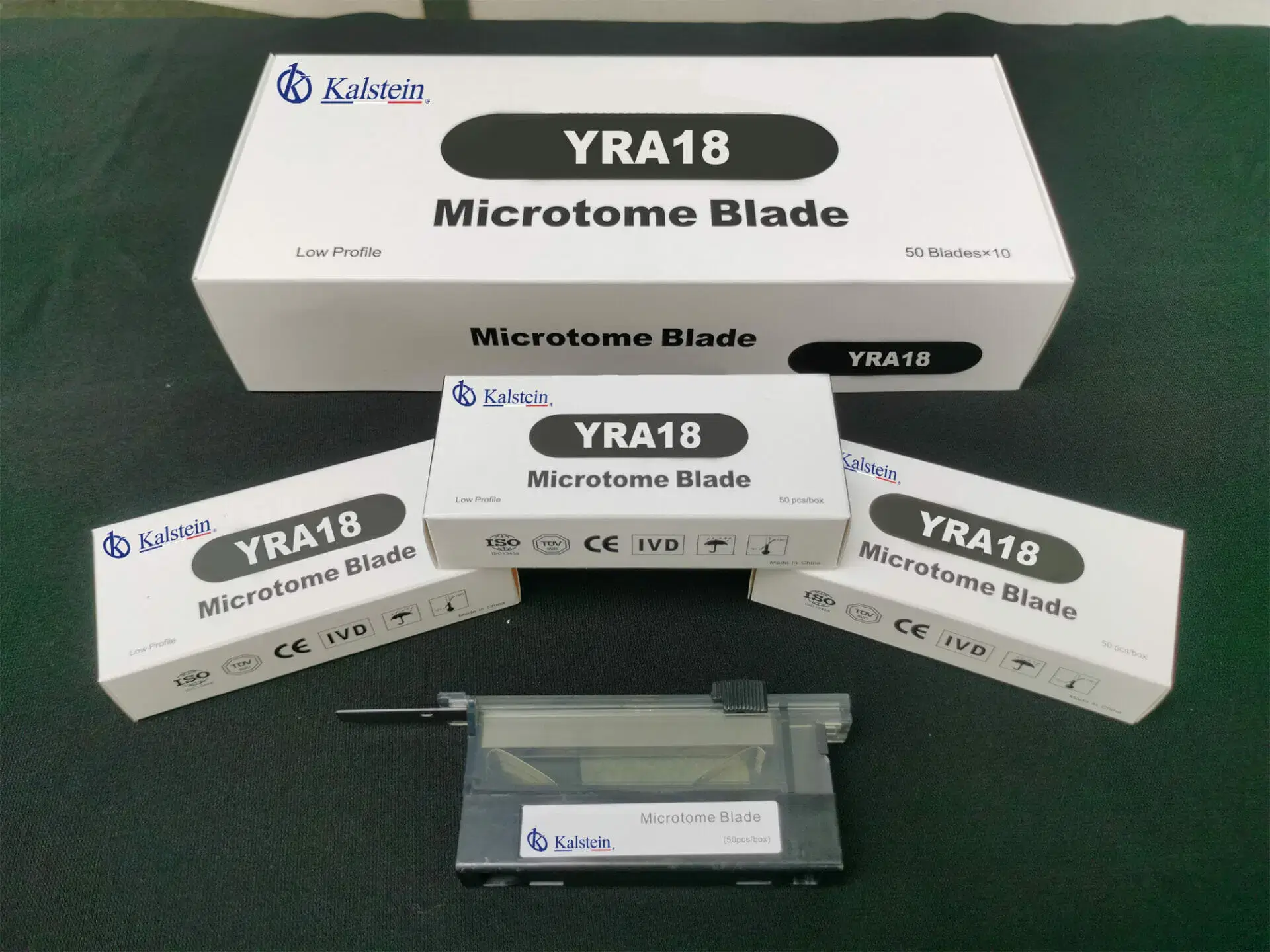
| YRA18-1 | Low-profile microtome blade for precise cuts | 250 boxes | 10,000.00 |
| YRA19-1 | High-profile microtome blade for thicker samples | 40 boxes | 1,600.00 |
| YRA20-1 | Tissue embedding cassette for effective sample processing | 9,000 pieces | 252.00 |
| YRA21-1 | Plastic cassette for stable specimen handling | 4,000 pieces | 144.00 |
| YRA33-2 | Paraffin block for optimal embedding | 10kgs (20 boxes) | 60.00 |
| YRA33-3 | Granular paraffin for uniform sample preparation | 10 KG (10 bags) | 60.00 |
Common Mistakes and How to Avoid Them
One common mistake in integrating LIMS into histopathology workflows is underestimating the importance of training staff on new systems. Without proper training, the efficiency gains from LIMS may not be realized. Additionally, not all consumables are compatible with digital workflows; thus, choosing high-quality products like those from the histopathology accessories range is vital to ensure smooth integration.
Integrating LIMS: Technical Considerations
When integrating LIMS, consider the connectivity protocols that will be needed, such as HL7 or ASTM. These protocols facilitate data exchange between different systems, ensuring that sample tracking and reporting are seamless. Choosing consumables that are designed for compatibility with LIMS will enhance data integrity and workflow efficiency.
Data Management and Compliance in Histopathology
LIMS helps laboratories comply with various regulations by ensuring accurate record-keeping and traceability of samples. This is critical for histopathology labs, which must adhere to strict guidelines regarding patient data and specimen handling. Utilizing products like the YRA20-1 tissue embedding cassette can aid in these processes by ensuring consistent quality in sample preparation.
Future Trends in Histopathology and Digitalization
Looking ahead, the trend towards enhanced digital integration in histopathology is expected to continue. Innovations in software and hardware will further streamline workflows and improve accuracy. Adopting cutting-edge consumables will play a crucial role in maintaining quality and efficiency as technologies evolve.
Frequently Asked Questions
What are the benefits of integrating LIMS in histopathology labs?
Integrating LIMS in histopathology labs enhances workflow efficiency, reduces errors, and improves data tracking. For example, using the YRA20-1 tissue embedding cassette allows for better sample processing, which aligns with LIMS for seamless data management.
How does a high-profile microtome blade improve sample preparation?
The YRA19-1 high-profile microtome blade is designed for thicker samples, which enhances the quality of cuts and reduces sample loss. This improves the accuracy of histopathological analyses in a LIMS-integrated environment.
Which LIMS protocols are essential for histopathology workflows?
Essential LIMS protocols for histopathology include HL7 and ASTM, which facilitate sample tracking and data sharing. Using products like the YRA21-1 plastic cassette can support these workflows by providing reliable sample containment.
What role does digitalization play in reducing errors in histopathology?
Digitalization helps in reducing human errors by automating data entry and management processes in histopathology. Employing consumables like the YRA33-2 paraffin block can enhance the quality of sample preparation, further supporting error reduction.
How can I ensure compliance when using histopathology consumables?
Compliance can be ensured by selecting high-quality consumables that meet industry standards. For instance, the YRA20-1 tissue embedding cassette is designed to meet stringent quality requirements, aiding in regulatory compliance within a LIMS framework.
What is the expected ROI from LIMS integration in histopathology?
The ROI from LIMS integration in histopathology can be significant, with improved efficiencies leading to reduced costs and faster turnaround times. By using consumables like the YRA33-3 granular paraffin, labs can maintain high quality while enhancing overall productivity.
How can histopathology labs optimize productivity with LIMS?
Histopathology labs can optimize productivity by automating workflows and improving data management through LIMS. Choosing the right consumables, such as the YRA18-1 low-profile microtome blade, can result in faster processing times and improved sample handling.
What is the importance of training staff on LIMS systems?
Training staff on LIMS systems is crucial to fully leverage the benefits of digitalization in histopathology. Without proper training, the potential for error increases, especially when using specialized consumables like the YRA19-1 microtome blade, which require skilled handling.
If you are looking for a fusion of innovation and quality, you have come to the right place. At Kalstein, we offer you the luxury of exploring our exclusive catalog of laboratory equipment. We manufacture every device to the highest standards of excellence. Our intuitive and seamless online purchasing channels are designed for your convenience, securing the most competitive prices. Hesitate no longer — we bring science to life, it is time to become part of our community.