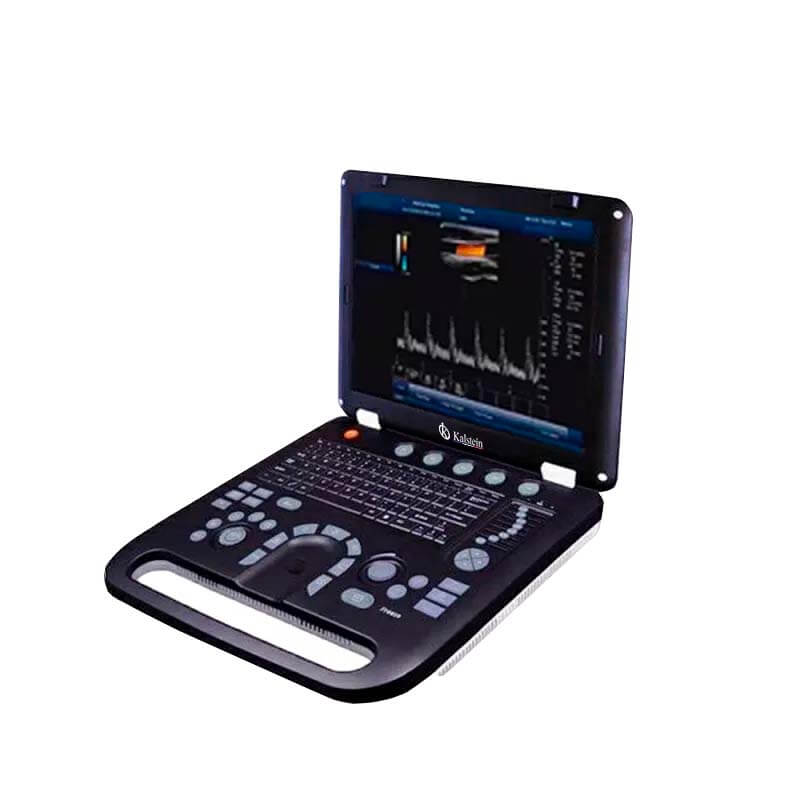
How to Optimize LIMS Integration with Ultrasonic Color Doppler Diagnostic Systems
In the ever-evolving landscape of laboratory diagnostics, integrating Ultrasonic Color Doppler Diagnostic Systems with Laboratory Information Management Systems (LIMS) is crucial. This integration streamlines data management, enhances workflow efficiency, and ensures compliance with industry standards. As laboratories move towards more digitized operations, understanding how to optimize LIMS integration becomes essential for maximizing the potential of these advanced diagnostic systems.
Understanding Ultrasonic Color Doppler Diagnostic Systems
Ultrasonic Color Doppler Diagnostic Systems are vital tools in various medical fields, including cardiology, obstetrics, and vascular studies. These systems use advanced imaging techniques to visualize blood flow and provide critical information for diagnosing conditions. By integrating these systems with LIMS, laboratories can improve data handling, patient management, and overall service delivery.
Key Features of LIMS Integration
LIMS integration encompasses several key features that enhance the functionality of Ultrasonic Color Doppler Diagnostic Systems. These include:
- Data Management: Efficiently store and retrieve patient data, images, and reports.
- Real-time Monitoring: Track the status of diagnostic tests and results instantly.
- Automated Reporting: Generate comprehensive reports automatically to reduce manual errors.
- Interoperability: Seamlessly connect with various laboratory instruments and systems.
Technical Considerations for Integration
Integrating Ultrasonic Color Doppler systems with LIMS requires careful consideration of technical specifications. Different models support various connectivity protocols, such as HL7 and DICOM, which are essential for data exchange. Understanding these protocols is critical for ensuring that the integration is both functional and compliant with healthcare regulations.
Comparative Analysis of Available Models
In selecting the right Ultrasonic Color Doppler Diagnostic System for LIMS integration, it’s essential to evaluate the available models based on their specifications, capabilities, and suitability for different clinical environments. Below is a comparison table of notable models.
| Model | Connectivity | Protocols Supported | Integration Effort | Best For |
|---|---|---|---|---|
| YR05148 | Yes | DICOM 3.0, Ethernet | Moderate | General Diagnostics |
| YR05149 | Yes | DICOM 3.0, USB | Low | Mobile Applications |
| YR05150 | Yes | DICOM 3.0, Ethernet | Moderate | Cardiac and Vascular |
| YR05151 | Yes | DICOM 3.0, Ethernet | High | High-Volume Labs |
| YR05152 | Yes | DICOM 3.0, USB | Moderate | Obstetric Clinics |
| YR05153 | Yes | DICOM 3.0, Ethernet | Low | Portable Use |
Common Mistakes and How to Avoid Them
When integrating Ultrasonic Color Doppler systems with LIMS, laboratories often encounter several pitfalls. Here are common mistakes and strategies to avoid them:
- Inadequate Training: Ensure thorough training on both LIMS and the Ultrasonic Color Doppler system for all personnel.
- Neglecting Compliance: Regularly review regulations to ensure both systems adhere to industry standards.
- Insufficient Testing: Conduct comprehensive testing of the integration before full implementation to identify and resolve issues.
Frequently Asked Questions
How can LIMS improve data management in Ultrasonic Color Doppler systems?
Integrating LIMS with Ultrasonic Color Doppler systems, like the YR05148, enhances data management by automating the storage and retrieval of patient data, images, and test results, reducing manual errors and improving workflow efficiency.
What are the best Ultrasonic Color Doppler models for LIMS integration?
Models like the YR05149 and YR05151 are highly compatible with LIMS, supporting DICOM 3.0 for seamless data exchange and ease of integration in various clinical setups.
Which protocols should I ensure compatibility with for LIMS integration?
For effective LIMS integration, ensure compatibility with protocols like DICOM 3.0 and HL7, which are essential for data interoperability between the Ultrasonic Color Doppler systems and laboratory information management.
What is the typical integration effort required for Ultrasonic Color Doppler systems?
The integration effort can vary; for models like YR05150, it may be moderate due to the complexity of protocols supported, while models like YR05149 may require less effort due to simpler connectivity options.
How does LIMS enhance real-time monitoring in diagnostic workflows?
LIMS integration allows for real-time monitoring by providing instant access to test statuses and results from systems like the YR05152, improving response time and patient care.
What common challenges do labs face when integrating LIMS with diagnostic systems?
Common challenges include inadequate training, compliance issues, and integration testing failures; addressing these proactively can help ensure a smoother integration process.
How do I choose the right Ultrasonic Color Doppler model for my lab?
Consider factors like connectivity options, integration effort, and specific clinical applications when choosing a model; the YR05151 is ideal for high-volume labs, while the YR05149 suits portable applications.
Conclusion
Integrating Ultrasonic Color Doppler Diagnostic Systems with LIMS is pivotal for enhancing laboratory efficiency and data management. By understanding the specific capabilities of each model and avoiding common mistakes, laboratories can optimize their workflows and improve patient outcomes significantly.
If you are looking for a fusion of innovation and quality, you have come to the right place. At Kalstein, we offer you the luxury of exploring our exclusive catalog of laboratory equipment. We manufacture every device to the highest standards of excellence. Our intuitive and seamless online purchasing channels are designed for your convenience, securing the most competitive prices. Hesitate no longer — we bring science to life, it is time to become part of our community.