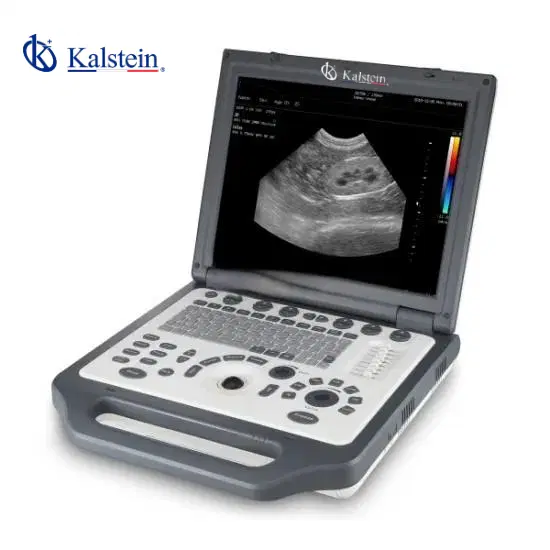
How to Optimize Data Flow with LIMS Integration in Veterinary Color Doppler Systems?
In the rapidly evolving field of veterinary diagnostics, the integration of Laboratory Information Management Systems (LIMS) with veterinary color Doppler units is gaining significant traction. This article delves into the nuances of such integrations, focusing on how they enhance the data flow, streamline operations, and improve diagnostic efficiency. We'll explore various models and their features that facilitate seamless integration with LIMS, ensuring veterinary professionals have the tools they need to deliver accurate and timely results.
Understanding LIMS Integration in Veterinary Color Doppler Systems
LIMS are essential for managing laboratory data effectively, enabling better tracking, analysis, and reporting of diagnostic results. In the context of veterinary color Doppler systems, LIMS integration allows for real-time data sharing, improving the workflow from diagnosis to treatment planning. By linking devices like color Doppler systems to a centralized information system, veterinarians can enhance their diagnostic capabilities while maintaining compliance with data management regulations.
Key Benefits of LIMS Integration
Integrating veterinary color Doppler systems with LIMS offers numerous advantages, including:
- Improved Data Accuracy: Automated data entry reduces human errors, ensuring that diagnostic information is precise.
- Streamlined Workflow: A connected system allows for faster processing and retrieval of patient data, optimizing the overall diagnostic workflow.
- Regulatory Compliance: Enhanced data management supports compliance with veterinary regulations and standards.
- Increased Efficiency: Real-time data access enables veterinarians to make quicker decisions regarding patient care.
Comparison of Available Models
| Model | Connectivity | Protocols Supported | Integration Effort | Best For |
|---|---|---|---|---|
| YR06139 | USB, DVD-RW | DICOM 3.0 | Low | Mobile diagnostics |
| YR06140 | Internal Workstation | DICOM 3.0 | Medium | Clinical laboratories |
| YR06141 | USB, VGA, S-VIDEO | DICOM 3.0 | High | Large veterinary practices |
Common Mistakes and How to Avoid Them
When integrating LIMS with veterinary color Doppler systems, several pitfalls can occur:
- Neglecting User Training: Ensure all team members are trained on both the color Doppler system and the LIMS to maximize efficiency.
- Overlooking Data Backup: Regularly back up data to prevent loss during system updates or failures.
- Inadequate Testing: Before going live, conduct extensive tests to ensure compatibility and performance of the integrated systems.
Data Management Standards in Veterinary Practice
Incorporating standards like DICOM 3.0 in the context of veterinary color Doppler systems ensures that data is managed correctly. This standard promotes interoperability between medical imaging devices and software systems, which is vital for seamless LIMS integration. Compliance with these standards not only enhances data sharing but also improves the overall quality of veterinary diagnostics.
Enhancing Data Security with LIMS Integration
As veterinary practices increasingly adopt digital systems, data security becomes paramount. LIMS can provide robust security features that protect sensitive patient information. By integrating veterinary color Doppler systems with LIMS, practices can implement data encryption, user authentication, and audit trails to safeguard client data, thus enhancing trust and compliance with regulations.
Utilizing Real-Time Data for Better Patient Outcomes
The integration of LIMS and color Doppler systems allows veterinarians to access patient data in real-time, which can significantly improve decision-making. For example, immediate access to diagnostic results can facilitate quicker treatment options. Models like the YR06140, equipped with extensive data storage, ensure that all patient information is readily available when needed.
Cost Implications of LIMS Integration
| Model | CAPEX (USD) | Integration Cost (USD) | Expected ROI (Months) | Recommended Scenario |
|---|---|---|---|---|
| YR06139 | 7700.00 | 1000.00 | 18 | Field use |
| YR06140 | 5300.00 | 500.00 | 12 | Small clinics |
| YR06141 | 14500.00 | 1500.00 | 24 | Large hospitals |
Frequently Asked Questions
How does LIMS integration improve data flow in veterinary color Doppler systems?
LIMS integration enhances data flow in veterinary color Doppler systems by automating data entry and enabling real-time access to patient information. For instance, models like YR06141 allow for efficient data management, which streamlines the overall workflow in veterinary practices.
What are the key features to look for in a LIMS-compatible veterinary color Doppler?
When selecting a LIMS-compatible veterinary color Doppler system, it is essential to consider features like DICOM 3.0 support and data storage capacity. Models such as YR06140 offer a robust internal workstation with a high storage capability, making them suitable for clinical environments.
Which veterinary color Doppler system is best for large practices with LIMS?
For large veterinary practices, the YR06141 model is ideal due to its extensive connectivity options and advanced features, including a powerful information management system. Its designed capacity makes it well-suited for environments that require frequent data integration and sharing.
How can data security be ensured when integrating LIMS with veterinary Doppler systems?
Data security can be ensured by implementing robust encryption methods and user authentication mechanisms within the LIMS. Utilizing models like YR06139 can help maintain data security, as they are designed with compliance and protection in mind.
What is the average integration cost for veterinary color Doppler systems?
The average integration cost for veterinary color Doppler systems typically ranges from $500 to $1500, depending on the model and complexity of the integration. For instance, the YR06140 has a relatively low integration cost of $500, making it a cost-effective choice for small clinics.
Which protocols should a veterinary color Doppler system support for LIMS integration?
A veterinary color Doppler system should support protocols such as DICOM 3.0 for effective LIMS integration. Models like YR06141 and YR06140 comply with these protocols, ensuring seamless data sharing and improved operational efficiency.
What is the expected ROI for integrating LIMS with veterinary color Doppler systems?
The expected ROI for integrating LIMS with veterinary color Doppler systems can vary significantly, typically ranging from 12 to 24 months. For example, the YR06140 model can yield a return on investment in approximately 12 months due to its low initial cost and efficient data handling capabilities.
How do veterinary practices benefit from real-time data access through LIMS?
Veterinary practices benefit from real-time data access through LIMS by facilitating quicker decision-making and improving patient outcomes. For example, the integration of systems like YR06141 allows veterinarians to access diagnostic results promptly, ensuring timely interventions.
If you are looking for a fusion of innovation and quality, you have come to the right place. At Kalstein, we offer you the luxury of exploring our exclusive catalog of laboratory equipment. We manufacture every device to the highest standards of excellence. Our intuitive and seamless online purchasing channels are designed for your convenience, securing the most competitive prices. Hesitate no longer — we bring science to life, it is time to become part of our community.