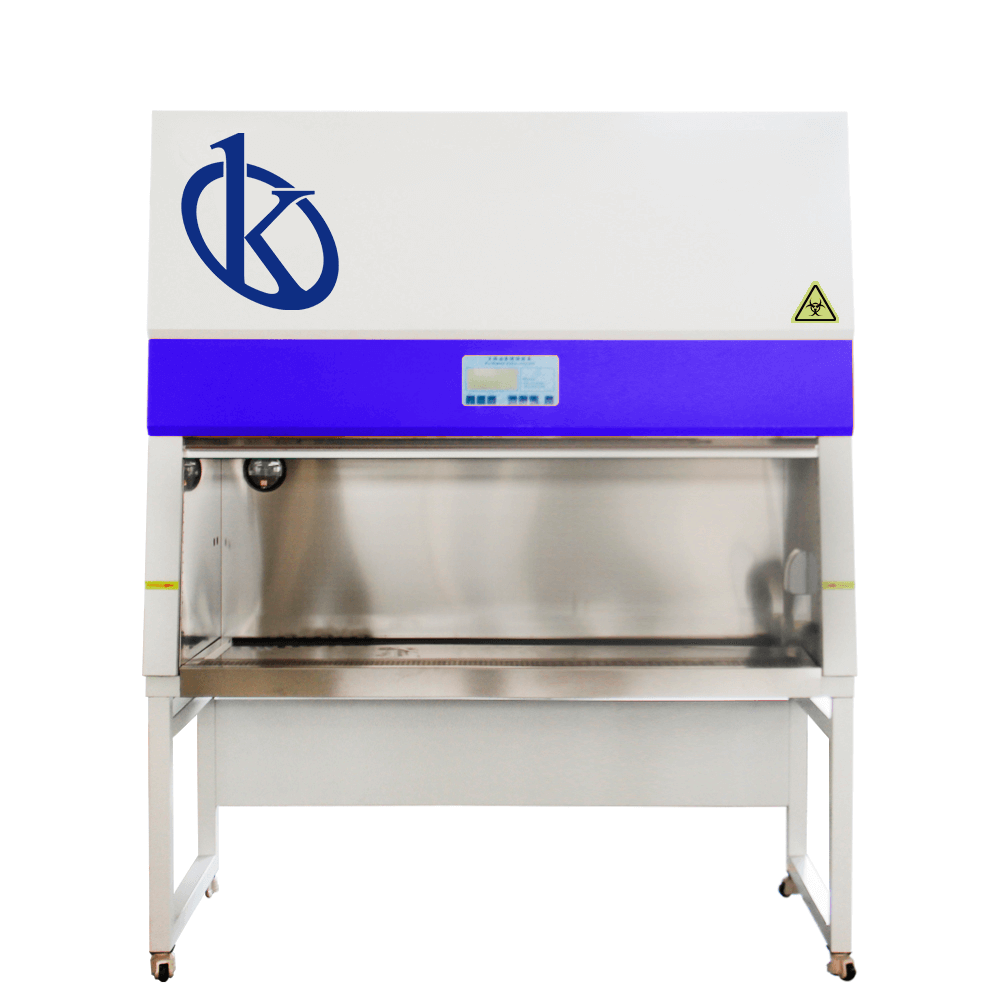
Maximizing ROI Through Cost-Benefit Analysis of Class II Biosafety Cabinets
In modern laboratories, the choice of equipment is crucial for operational efficiency and ensuring safety during biological experimentation. Class II Biosafety Cabinets are essential for laboratories dealing with pathogenic materials. Understanding the return on investment (ROI) and conducting a thorough cost-benefit analysis is critical for lab managers when selecting the right cabinet. This article delves into the financial implications of various Class II Biosafety Cabinets, their operational benefits, and how they can impact laboratory efficiency.
Overview of Class II Biosafety Cabinets
Class II Biosafety Cabinets are designed to provide protection to both the operator and the environment from harmful aerosols and pathogens. These cabinets come equipped with high-efficiency particulate air (HEPA) filters that ensure that air entering the work zone is free from contaminants. The operational efficiency and safety features of these cabinets, such as the use of vertical laminar airflow and negative pressure, make them suitable for various laboratory applications.
Importance of ROI and Cost-Benefit Analysis in Laboratories
Considering the significant initial investment and operational costs associated with laboratory equipment, a sound ROI and cost-benefit analysis is essential. This analysis allows laboratory managers to evaluate the financial impacts of their equipment choices, ensuring that they select biosafety cabinets that not only meet safety standards but also provide value over time. Key factors to consider include the initial purchase cost, maintenance expenses, energy consumption, and the potential for increased productivity.
Cost Analysis of Class II Biosafety Cabinets
When analyzing the costs associated with Class II Biosafety Cabinets, it is essential to consider both capital expenditures (CAPEX) and operational expenditures (OPEX). CAPEX includes the purchase price, installation, and initial setup of the cabinet, while OPEX encompasses ongoing costs such as electric consumption, maintenance, and filter replacements. The following table outlines the initial costs and key specifications of various models:
| Model | Initial Cost (USD) | Power Consumption (W) | Weight (kg) | Best For |
|---|---|---|---|---|
| YR05704 | 1600.00 | 400 | 170 | General lab use |
| YR05705 | 1650.00 | 500 | 210 | Microbiology labs |
| YR05706 | 2150.00 | 600 | 250 | Pharmaceuticals |
| YR0090-A | 1260.00 | 600 | 140 | Clinical applications |
| YR05270 | 2750.00 | 700 | 270 | Research labs |
| YR05271 | 2940.00 | 700 | 270 | High-containment work |
Quantifying the Benefits of Class II Biosafety Cabinets
Understanding the quantitative benefits derived from using Class II Biosafety Cabinets can significantly influence purchasing decisions. Benefits such as improved safety for personnel, reduced risk of contamination, and compliance with regulatory standards represent substantial financial advantages. For example, utilizing cabinets like the YR05270 can enhance laboratory compliance with ISO standards, which can result in decreased liability costs and potential fines.
Comparison of Available Models
| Model | CAPEX (USD) | OPEX (Annual, USD) | Payback Period (Months) | Recommended Scenario |
|---|---|---|---|---|
| YR05704 | 1600.00 | 120 | 16 | General laboratory applications |
| YR05705 | 1650.00 | 150 | 18 | Microbial research |
| YR05706 | 2150.00 | 180 | 12 | Pharmaceutical development |
| YR0090-A | 1260.00 | 110 | 14 | Clinical diagnostics |
| YR05270 | 2750.00 | 200 | 15 | General research |
| YR05271 | 2940.00 | 220 | 24 | High-containment labs |
Common Mistakes and How to Avoid Them
When purchasing Class II Biosafety Cabinets, laboratories often make several common mistakes that can impede effectiveness. A frequent error is underestimating the total costs associated with ownership, including maintenance and energy consumption. Another common pitfall is failing to thoroughly understand the specific requirements of laboratory workflows, which can lead to selecting the wrong model. To avoid these pitfalls, laboratories should conduct comprehensive evaluations and consult with manufacturers to understand the true cost and benefits of each cabinet.
Frequently Asked Questions
How does the YR05706 biosafety cabinet enhance operator safety in the lab?
The YR05706 biosafety cabinet utilizes a vertical laminar flow and negative pressure system, ensuring that harmful aerosols are contained within the cabinet. This design minimizes the risk of exposure for the operator and maintains a safe working environment while complying with safety standards.
What are the operational costs associated with the YR0090-A biosafety cabinet?
The annual operational costs for the YR0090-A biosafety cabinet typically amount to around USD 110, taking into account electricity usage and maintenance. This model is ideal for clinical diagnostics due to its efficient design and operational cost-effectiveness.
Which features of the YR05271 biosafety cabinet support regulatory compliance?
The YR05271 model is designed with a HEPA filtration system that meets ISO 14644.1 Class 5 standards, ensuring a clean environment for high-containment work. Its construction supports laboratories in maintaining compliance with safety regulations.
What is the payback period for investing in the YR05704 biosafety cabinet?
The payback period for the YR05704 biosafety cabinet is approximately 16 months, making it a highly attractive option for labs looking to balance safety and cost-effectiveness in their equipment choices.
How can a lab maximize efficiency with the YR05705 biosafety cabinet?
By employing the YR05705 biosafety cabinet, laboratories can optimize workflow efficiency with its fast airflow rates and easy access design, leading to increased productivity and reduced contamination risks in microbiological research.
What are the benefits of using Class II biosafety cabinets in research labs?
Class II biosafety cabinets, such as the YR05270, provide reliable protection against airborne pathogens and contaminants, enhancing laboratory safety and ensuring compliance with health regulations, which significantly benefits research operations.
How do energy costs compare between different biosafety cabinets?
Energy consumption varies among biosafety cabinets; for instance, the YR05270 has a maximum power consumption of 700W. Understanding these costs can help laboratories choose models that align with their budget while ensuring operational efficiency.
What specifications should I consider when purchasing a biosafety cabinet?
When purchasing a biosafety cabinet, consider specifications such as airflow speed, filtration efficiency, and total cost of ownership. Models like the YR05706 offer robust features that ensure both safety and cost-effectiveness for laboratory environments.
If you are looking for a fusion of innovation and quality, you have come to the right place. At Kalstein, we offer you the luxury of exploring our exclusive catalog of laboratory equipment. We manufacture every device to the highest standards of excellence. Our intuitive and seamless online purchasing channels are designed for your convenience, securing the most competitive prices. Hesitate no longer — we bring science to life, it is time to become part of our community.