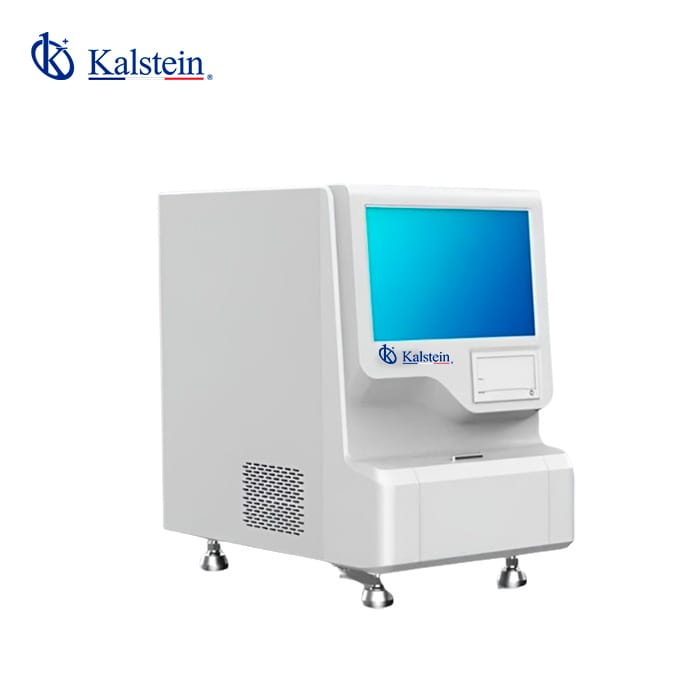
Maximizing ROI in Chemiluminescence Immunoassay Analyzers: A Comprehensive Analysis
The utilization of chemiluminescence immunoassay analyzers in clinical laboratories has surged in recent years due to their ability to deliver rapid, accurate test results. However, understanding the return on investment (ROI) and conducting a cost-benefit analysis is crucial for laboratory managers and decision-makers. This article delves into the various factors that contribute to ROI in the context of chemiluminescence immunoassay analyzers, comparing multiple models, and offering practical insights for optimizing laboratory efficiency.
Understanding ROI in Laboratory Investments
Calculating ROI in laboratory investments involves assessing the total cost of ownership against the benefits derived from the assets. For chemiluminescence immunoassay analyzers, this includes initial CAPEX (capital expenditures), ongoing OPEX (operational expenditures), and the revenue generated through testing. Key components of this analysis include equipment cost, maintenance expenses, the cost per test, and throughput efficiency.
Factors Influencing ROI in Chemiluminescence Immunoassay Analyzers
Several factors influence the ROI of chemiluminescence immunoassay analyzers, including:
- Initial Purchase Price: The upfront cost of the equipment significantly impacts ROI. Higher initial costs may require a longer payback period.
- Testing Cost Efficiency: The cost per test provides insights into long-term savings. An analyzer that offers a lower cost per test can enhance profitability.
- Throughput Capabilities: The number of tests an analyzer can perform in a given timeframe directly affects revenue potential.
- Maintenance and Support: Regular maintenance and support costs can add up over time, impacting overall ROI.
Comparison of Available Models
| Model | CAPEX (USD) | Cost per Test (USD) | Payback Period (Months) | Recommended Scenario |
|---|---|---|---|---|
| YR06387 | 3500.00 | 5.00 | 6 | Small to medium labs |
| YR06388 | 5000.00 | 4.50 | 8 | Medium to large labs |
| YR06389 | 9000.00 | 3.75 | 10 | High-throughput labs |
| YR06390 | 15000.00 | 3.50 | 12 | Specialized testing facilities |
| YR06710 | 7500.00 | 4.00 | 9 | Emergency departments |
Detailed Analysis of Each Model
Full-Automatic Chemiluminescent Immunoassay Analyzer YR06387
The YR06387 is designed for small to medium clinical labs, providing a balance between cost and functionality. With a CAPEX of $3500 and a cost per test of $5, it is ideal for labs requiring flexibility and reliability. The analyzer supports parallel testing and offers a payback period of approximately 6 months, making it a smart investment.
Chemiluminescent Immunoassay Analyzer YR06388
This model stands out due to its independent double chambers and parallel testing capabilities, offering enhanced efficiency. With a CAPEX of $5000 and a cost per test of $4.50, it is suited for medium to large laboratories. The payback period estimates around 8 months, reflecting its operational efficiency.
Immunoassay Analyzer YR06389
The YR06389 is tailored for high-throughput settings, capable of processing up to 120 tests per hour. With a CAPEX of $9000 and a competitive cost per test of $3.75, it provides excellent ROI potential with a payback period of about 10 months, making it a top choice for busy clinical environments.
Immunoassay Analyzer YR06390
Featuring advanced processing capabilities, the YR06390 is designed for specialized testing facilities. With a high CAPEX of $15000, it achieves a cost per test of $3.50, allowing for long-term savings. Its payback period of approximately 12 months may be justified by the analyzer's superior performance.
Chemiluminescence Analyzer YR06710
This compact analyzer is designed for emergency departments and smaller labs. With a CAPEX of $7500 and a cost per test of $4.00, it is efficient in both space and operational cost. Its payback period of 9 months makes it a practical choice for constrained environments.
Common Mistakes and How to Avoid Them
Laboratory managers often make mistakes during the purchasing and implementation phases of chemiluminescence immunoassay analyzers. Here are some common pitfalls:
- Underestimating Total Costs: Managers should account for not only the purchase price but also maintenance, reagents, and consumables.
- Ignoring Throughput Needs: Choosing an analyzer that does not match the lab's testing volume can lead to inefficiencies.
- Neglecting Staff Training: Proper training is essential for maximizing the equipment's potential and ensuring optimal performance.
Frequently Asked Questions
What is the ROI from using chemiluminescence immunoassay analyzers in clinical labs?
The ROI from chemiluminescence immunoassay analyzers such as YR06388 can be significant, particularly with its cost per test of $4.50, making it suitable for medium to large labs aiming for efficiency and profitability.
How do I calculate the cost per test for chemiluminescence immunoassay analyzers?
Calculating the cost per test involves dividing the total operational costs, including reagents and maintenance, by the number of tests performed. For instance, YR06389 offers a cost per test of $3.75, which is economical for high-throughput environments.
Which chemiluminescence immunoassay analyzer has the fastest payback period?
The YR06387 has the fastest payback period at approximately 6 months due to its lower initial cost and flexibility for small to medium laboratories, making it a strong investment choice.
How do maintenance costs affect the ROI of chemiluminescence immunoassay analyzers?
Maintenance costs can significantly impact ROI. For example, if the YR06390 has higher maintenance expenses, it may extend the payback period. A thorough analysis of long-term costs is essential for informed decision-making.
What are the key performance metrics for evaluating chemiluminescence immunoassay analyzers?
Key performance metrics include cost per test, throughput, accuracy, and maintenance requirements. Analyzers like YR06389 with a throughput of 120 tests per hour can enhance operational efficiency in a clinical setting.
How can laboratory managers optimize the ROI of chemiluminescence immunoassay analyzers?
Laboratory managers can optimize ROI by carefully assessing their testing volumes, leveraging high-throughput models like YR06390, and ensuring proper staff training to maximize equipment efficiency and reduce operational costs.
What factors should be considered when choosing a chemiluminescence immunoassay analyzer?
Key factors include CAPEX, cost per test, throughput capabilities, and compatibility with existing lab systems. For example, YR06710 is ideal for emergency departments due to its compact design and operational efficiency.
How does the cost of chemiluminescence immunoassay analyzers compare to other testing methods?
When comparing costs, chemiluminescence immunoassay analyzers, like YR06388 with a cost per test of $4.50, often provide more rapid results compared to traditional methods, justifying their investment in clinical environments.
If you are looking for a fusion of innovation and quality, you have come to the right place. At Kalstein, we offer you the luxury of exploring our exclusive catalog of laboratory equipment. We manufacture every device to the highest standards of excellence. Our intuitive and seamless online purchasing channels are designed for your convenience, securing the most competitive prices. Hesitate no longer — we bring science to life, it is time to become part of our community.