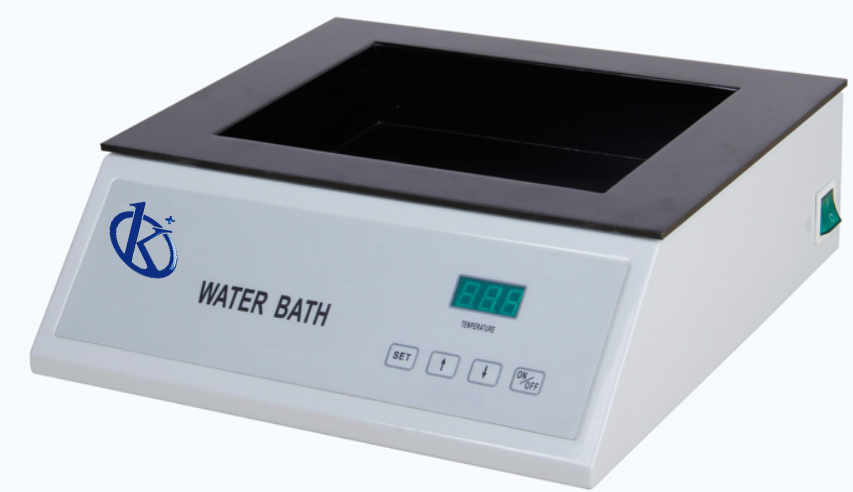
Maximizing ROI: Cost-Benefit Analysis of Tissue Water Baths in Laboratories
In the realm of pathological anatomy, the efficiency and effectiveness of laboratory equipment are paramount. Tissue water baths serve a vital role in various laboratory procedures, particularly in histology and tissue processing. Understanding and implementing a robust return on investment (ROI) and cost-benefit analysis for these devices can significantly impact a laboratory's operational efficiency and financial health.
Understanding Tissue Water Baths and Their Importance
Tissue water baths are designed to provide a controlled temperature environment for tissue samples, ensuring optimal processing and analysis results. These devices facilitate the melting of paraffin and other processes critical in histological studies. Given their pivotal role, it becomes crucial for laboratory managers to assess their cost-effectiveness thoroughly.
Comparison of Available Models
| Model | CAPEX (USD) | Cost per Test (USD) | Payback (months) | Recommended Scenario |
|---|---|---|---|---|
| YR449 | 400.00 | 2.00 | 12 | Low-volume laboratories |
| YR451 | 800.00 | 3.50 | 18 | Mid-volume laboratories |
| YR452 | 950.00 | 4.00 | 20 | High-volume laboratories |
Analyzing the ROI of Tissue Water Baths
ROI can be defined as the ratio between the net profit generated by an investment and the cost of that investment. For laboratory equipment such as tissue water baths, calculating ROI involves not just the initial purchase price but also operational costs over time, maintenance, and potential savings from efficiency gains.
Consider the YR449 model; priced at $400, its efficiency helps maintain steady operations in environments handling lower volumes of samples. Estimating a cost per test of $2.00, the payback period of 12 months illustrates its quick return for smaller labs. Conversely, the YR451 and YR452 offer enhanced features for higher throughputs but at a higher cost.
Factors Affecting Cost-Benefit Analysis
Several factors can influence the cost-benefit analysis of tissue water baths. These include:
- Purchase Price: Initial capital expenditure (CAPEX) is essential for cost consideration.
- Operational Costs: This includes energy consumption, maintenance, and any consumables used.
- Efficiency Gains: Improved sample processing time can translate to better throughput.
- Durability: The longevity of the equipment impacts overall investment returns.
Operational Efficiency and Throughput Optimization
To maximize ROI, it is crucial to optimize operational efficiency. For instance, the YR451 model, with a capacity of 400W, can handle a more extensive range of temperatures efficiently compared to the YR449. Laboratories aiming for higher volumes might find the YR452 advantageous despite its higher initial cost due to improved throughput and reliability.
Common Mistakes and How to Avoid Them
A frequent oversight in laboratories is neglecting the ongoing operational costs associated with tissue water baths. While the upfront cost is crucial, understanding long-term expenses such as energy consumption, maintenance, and reagent costs is essential for a comprehensive analysis.
Moreover, it is vital to consider the specific needs of the laboratory. Choosing a model that exceeds requirements can lead to unnecessary expenses; therefore, selecting a model that aligns with your laboratory's volume and efficiency needs is critical.
Evaluating Energy Consumption and Sustainability
Energy costs can significantly impact the overall operational budget of a laboratory. Evaluating the energy consumption of tissue water baths like the YR449, which utilizes innovative heating elements, aids in making a sustainability-oriented decision. Understanding how much energy is consumed per test can also improve sustainability metrics, especially in larger labs where energy costs can soar.
Frequently Asked Questions
How can I calculate the payback period for a tissue water bath in my lab?
The payback period for a tissue water bath, such as the YR449, is calculated by dividing the initial purchase cost by the annual savings generated from using the device. If the YR449 costs $400 and saves $50 annually in operational efficiency, the payback period would be 8 months.
What are the operational costs associated with the YR451 tissue water bath?
Operational costs for the YR451 include energy consumption, which is approximately $3.50 per test, maintenance costs, and potentially the costs of any consumables used in the heating process. Understanding these metrics helps in total cost analysis.
What features make the YR452 suitable for high-volume laboratories?
The YR452’s robust design, higher wattage, and advanced temperature control features make it ideal for high-volume laboratories. With a temperature range of RT-75℃, it ensures precision and reliability, critical in processing larger quantities of samples efficiently.
Which factors should I consider when choosing a tissue water bath for ROI?
Factors to consider include initial cost, operational efficiency, and maintenance requirements. Analyzing models like the YR449 and YR451 can help determine which device will provide the best ROI based on your laboratory's specific needs and throughput requirements.
How do energy-saving features impact the ROI of tissue water baths?
Energy-saving features can significantly reduce operational costs over time. For instance, the YR449 features a specialized heating element that minimizes energy consumption, potentially lowering costs by up to 15% annually, which enhances overall ROI.
What is the importance of temperature control accuracy in tissue water baths?
Temperature control accuracy is critical in tissue processing. The YR451 maintains a precision of ±1℃, ensuring that samples are processed under optimal conditions. This accuracy can lead to improved results, contributing to the overall ROI of laboratory investments.
How can I determine the cost per test for my laboratory equipment?
The cost per test can be determined by dividing the total operational costs of the water bath by the number of tests conducted over a period. For example, if the YR451 has annual operational costs of $700 and conducts 200 tests, the cost per test would be $3.50.
What role does model selection play in achieving high ROI for tissue water baths?
Model selection is crucial in achieving high ROI, as choosing a device like the YR452 for a high-volume lab can enhance efficiency and throughput, whereas a lower-cost model may be more suited to a smaller lab. This alignment ensures that investments meet operational needs effectively.
In conclusion, understanding the ROI and cost-benefit analysis of tissue water baths is essential for laboratories aiming to maximize efficiency and manage budgets effectively. By thoroughly evaluating models, considering operational costs, and aligning equipment with laboratory needs, managers can make informed decisions that benefit both performance and finances.
If you are looking for a fusion of innovation and quality, you have come to the right place. At Kalstein, we offer you the luxury of exploring our exclusive catalog of laboratory equipment. We manufacture every device to the highest standards of excellence. Our intuitive and seamless online purchasing channels are designed for your convenience, securing the most competitive prices. Hesitate no longer — we bring science to life, it is time to become part of our community.