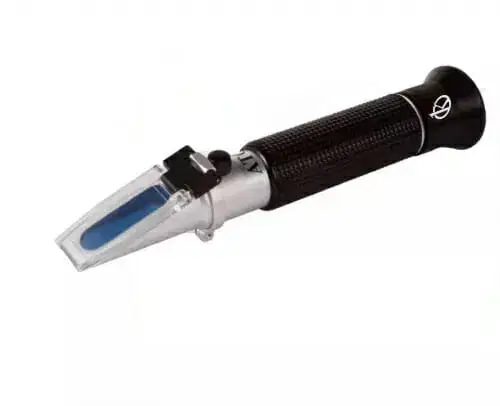
Maximizing ROI and Cost-Benefit Analysis for Car Refractometers
In the world of laboratory equipment, making informed purchasing decisions is vital for optimizing resources and maximizing return on investment (ROI). This is especially true for car refractometers, which are specialized tools used to measure the concentration of substances in automotive fluids. Understanding the cost-benefit analysis of these instruments can help laboratories operate efficiently and economically. This article delves into how laboratory professionals can evaluate ROI and perform a cost-benefit analysis specific to car refractometers.
Understanding Car Refractometers and Their Benefits
Car refractometers are precision instruments designed for testing automotive fluids, including antifreeze, coolant, and windshield washer fluid. They provide quick and accurate readings of fluid concentrations, which are essential for ensuring vehicle performance and safety. The ability to measure the freezing point of these fluids through auto temperature compensation (ATC) makes them indispensable tools in automotive laboratories.
Cost-Benefit Analysis: The Key Components
Conducting a cost-benefit analysis for car refractometers involves evaluating several factors, including initial acquisition costs, operational expenses, and potential savings resulting from efficient fluid management. Key components include:
- Initial Investment: The cost associated with purchasing car refractometers, which varies based on model and features.
- Operating Costs: This encompasses maintenance, calibration, and the costs of consumables.
- Efficiency Gains: The time saved and accuracy gained can lead to reduced waste and improved vehicle maintenance.
- Long-term Savings: Benefits realized through better fluid management can lead to significant cost savings over time.
Comparison of Available Models
| Model | Measurement Range | Min. Division | Accuracy | ATC | Best For |
|---|---|---|---|---|---|
| YR05916 | E:-60°C--0°C P:-50°C-0°C B:1.100-1.400sg | 0.01sg | ±0.01sg | Yes | Antifreeze Testing |
| YR05917 | E:-60°C--0°C P:-50°C-0°C B:1.100-1.400sg | 0.01sg | ±0.01sg | Yes | Antifreeze Concentration |
| YR05918 | E:-60°F-32°F P:-50°F-32°F B:1.15-1.30sg | 0.01sg | ±0.01sg | Yes | Windshield Washer Fluid Testing |
| YR05919 | E:-60°C--0°C P:-50°C-0°C B:1.100-1.400sg | 0.01sg | ±0.01sg | Yes | Coolant Testing |
| YR05920 | E:-60°C--0°C P:-50°C-0°C B:1.100-1.400sg | 0.01sg | ±0.01sg | Yes | Fluid Management |
| YR05921 | E:-60°C--0°C P:-50°C-0°C B:1.100-1.400sg | 0.01sg | ±0.01sg | Yes | Vehicle Performance Maintenance |
Calculating ROI for Car Refractometers
To calculate ROI, laboratory managers should consider the following formula: ROI = (Net Profit / Cost of Investment) x 100. This calculation involves estimating the profit generated from improved automotive fluid management and subtracting the total cost of acquiring and operating the refractometer. For example, if a laboratory invests $500 in a car refractometer and saves $250 annually through efficiency improvements, the ROI would be 50% in the first year.
Common Mistakes and How to Avoid Them
When conducting a cost-benefit analysis or calculating ROI for car refractometers, common mistakes can lead to inaccurate results. Here are some pitfalls to avoid:
- Underestimating Operating Costs: Always account for ongoing calibration and maintenance expenses.
- Ignoring Efficiency Gains: Consider the time saved and its impact on productivity.
- Focusing Solely on Initial Costs: Long-term savings often outweigh initial investments.
Best Practices for Implementation
Implementing car refractometers effectively requires a strategic approach to maximize ROI. Here are best practices:
- Regular Training: Ensure staff are trained to use the refractometers correctly, maximizing accuracy.
- Routine Maintenance: Schedule periodic maintenance to ensure optimal performance and longevity.
- Data Tracking: Keep records of fluid concentrations and usage to inform future purchasing decisions.
Frequently Asked Questions
How can I determine the best car refractometer for my laboratory needs?
To determine the best car refractometer, consider factors such as measurement range, accuracy, and ease of use. For example, the YR05917 model offers a measurement range of E:-60°C to 0°C and is ideal for antifreeze concentration testing in automotive labs.
What is the average ROI for a car refractometer investment in a laboratory?
The average ROI for a car refractometer can vary, but many laboratories report an ROI of 50% within the first year, depending on the savings achieved through more efficient fluid management, as seen with models like YR05920.
How do I calculate the cost per test for a car refractometer?
To calculate the cost per test, divide the total operational costs, including maintenance and consumables, by the number of tests performed. For example, if operational costs are $100 per month and you conduct 200 tests, the cost per test would be $0.50.
What maintenance is required for car refractometers to ensure accurate readings?
Regular calibration is essential for maintaining accuracy in car refractometers. Schedule calibration checks every few months and clean the lenses and exterior promptly after use, particularly for models like YR05918.
What are the most common applications for car refractometers?
Common applications for car refractometers include testing antifreeze solutions, coolant concentration, and windshield washer fluid effectiveness. Models such as YR05919 are specifically designed for coolant testing in automotive settings.
How does temperature affect the accuracy of car refractometers?
Temperature can significantly affect measurement accuracy; therefore, models like YR05916 incorporate auto temperature compensation (ATC) features to adjust readings accurately under varying temperature conditions, ensuring reliable results.
Which factors should I consider when comparing different car refractometer models?
Key factors to consider when comparing car refractometer models include measurement range, accuracy, build quality, and ATC capabilities. For example, the YR05921 provides a robust design suitable for high-frequency testing in demanding automotive environments.
What steps can I take to enhance efficiency in my laboratory's fluid testing processes?
To enhance efficiency, standardize testing protocols, utilize automated data tracking systems, and ensure staff are well-trained in the use of car refractometers such as the YR05920, which simplifies fluid concentration testing.
If you are looking for a fusion of innovation and quality, you have come to the right place. At Kalstein, we offer you the luxury of exploring our exclusive catalog of laboratory equipment. We manufacture every device to the highest standards of excellence. Our intuitive and seamless online purchasing channels are designed for your convenience, securing the most competitive prices. Hesitate no longer — we bring science to life, it is time to become part of our community.