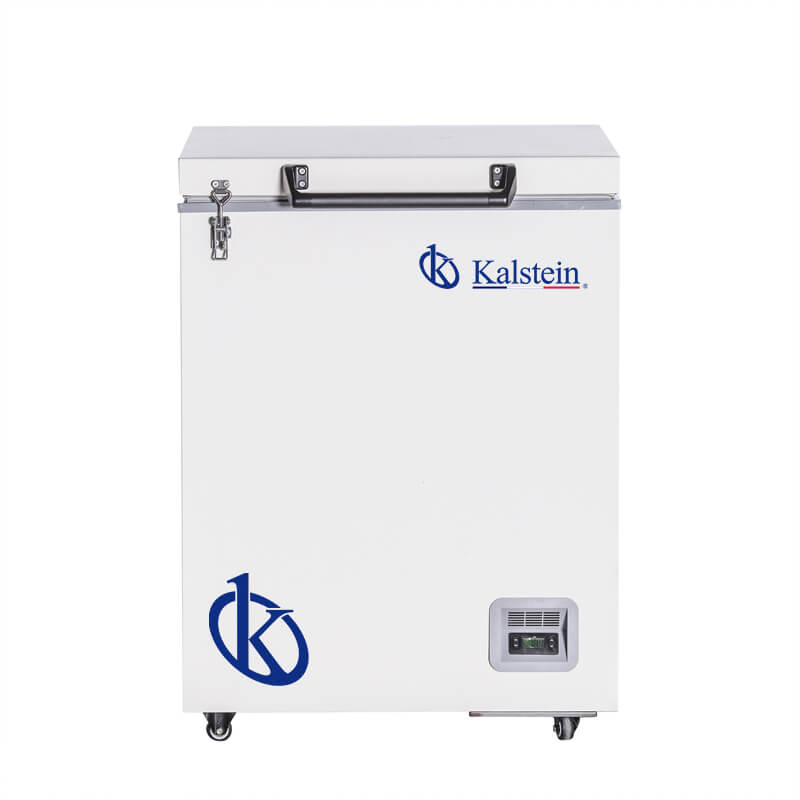
Maximizing ROI and Cost-Benefit Analysis for Laboratory Chest Freezers
In laboratory environments, effective inventory management is crucial, especially when it involves temperature-sensitive materials. Chest freezers play an integral role in preserving samples such as biological materials, vaccines, and chemicals. This article aims to offer a detailed examination of chest freezers with a focus on maximizing return on investment (ROI) and conducting thorough cost-benefit analysis.
Understanding the Importance of ROI in Laboratory Equipment
Return on investment is a critical metric in laboratory management. It helps laboratory professionals evaluate the efficiency and profitability of their equipment. For chest freezers, a proper ROI assessment considers initial costs, operational expenses, and potential savings over time. By carefully analyzing these factors, laboratories can make informed purchasing decisions that align with their budgetary constraints.
Cost-Benefit Analysis: A Practical Approach
A cost-benefit analysis (CBA) is essential in deciding which chest freezer model to procure. It involves comparing the total costs associated with a specific model against the anticipated benefits it provides. This process helps in identifying which model offers the best long-term value. Factors such as energy consumption, maintenance costs, and lifespan should all be accounted for in the analysis.
Factors Influencing ROI in Chest Freezers
Several factors influence the ROI of chest freezers, including:
- Initial Acquisition Cost: The upfront cost of purchasing a chest freezer.
- Energy Efficiency: Energy consumption, which affects operational costs
- Maintenance Requirements: Frequency and cost of servicing the equipment.
- Lifespan and Reliability: The longevity of the freezer and its performance reliability.
Detailed Comparison of Available Models
| Model | CAPEX (USD) | Operating Cost per Day (USD) | Payback Period (months) | Recommended Scenario |
|---|---|---|---|---|
| YR05102 | 450.00 | 1.65 | 12 | Small labs requiring basic storage |
| YR05103 | 885.00 | 1.68 | 15 | Medium labs needing slightly larger capacity |
| YR05104 | 1100.00 | 3.45 | 30 | High-volume labs with extensive storage needs |
| YR05314 | 3150.00 | 11.5 | 34 | Advanced research requiring ultra-low temperatures |
| YR05313 | 1825.00 | 3.8 | 20 | Compact labs with limited space |
| YR05315 | 1150.00 | 3.2 | 24 | Labs needing precise temperature control |
Common Mistakes and How to Avoid Them
When investing in chest freezers, laboratories often fall prey to common mistakes that can hinder ROI. These include:
- Not conducting a comprehensive cost-benefit analysis.
- Overlooking energy consumption in the operational cost calculations.
- Failing to consider the freezer's capacity versus actual storage needs.
- Ignoring warranty and support services that come with the purchase.
By addressing these pitfalls, laboratories can ensure a more strategic investment in chest freezers.
FAQs
What factors should I consider when evaluating the ROI of a chest freezer?
When evaluating the ROI of a chest freezer, consider initial acquisition costs, operational expenses such as energy consumption, and the expected lifespan of the model. For instance, the YR05103 model, priced at $885, has an operating cost of $1.68 per day, making it suitable for medium-sized labs.
How can a cost-benefit analysis help in selecting a chest freezer?
A cost-benefit analysis helps in comparing the costs associated with various chest freezer models against their benefits. For instance, the YR05314 model, though more expensive at $3150, may offer significant operational savings due to its energy efficiency and longer lifespan, making it a better investment for high-volume labs.
Which chest freezer model offers the most energy efficiency?
The YR05314, with an operating cost of $11.5 per day, is one of the most energy-efficient models, making it ideal for laboratories that require ultra-low temperature storage while maintaining low operating costs.
What is the average payback period for chest freezers?
The payback period for chest freezers can vary by model. For example, the YR05102 model has a payback period of 12 months, making it an attractive option for small labs focused on quick returns on investment.
How can I ensure the longevity of my chest freezer?
Ensuring the longevity of a chest freezer involves regular maintenance, monitoring temperature settings, and using the freezer within its designed operational parameters. Models like YR05313, made with high-quality materials, tend to last longer with proper care.
What advantages does an ultra-low temperature freezer provide?
An ultra-low temperature freezer, like the YR05314, provides superior preservation for sensitive biological materials by maintaining temperatures as low as -86℃, ensuring that samples remain viable for extended periods.
How do I calculate the operational costs of a chest freezer?
To calculate operational costs, consider the energy consumption (in kWh) multiplied by your local energy rate. For example, the YR05104 model consumes 3.45 kWh per day, which should be factored into your overall budget for the freezer.
What is the best chest freezer for small laboratories?
The YR05102 model is ideal for small laboratories due to its lower initial cost of $450 and manageable operational expenses, making it suitable for labs with limited storage needs.
If you are looking for a fusion of innovation and quality, you have come to the right place. At Kalstein, we offer you the luxury of exploring our exclusive catalog of laboratory equipment. We manufacture every device to the highest standards of excellence. Our intuitive and seamless online purchasing channels are designed for your convenience, securing the most competitive prices. Hesitate no longer — we bring science to life, it is time to become part of our community.