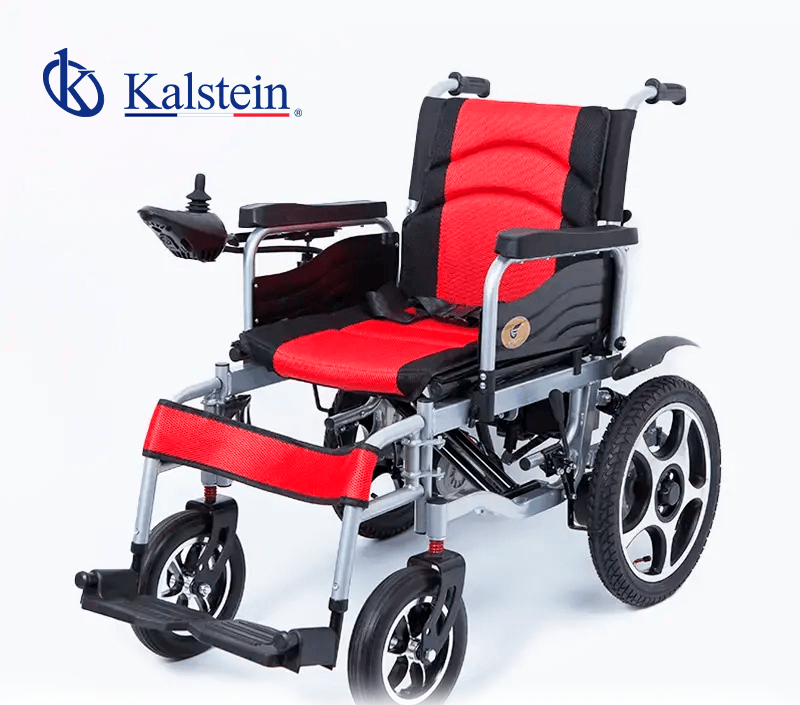
Maximizing ROI and Cost-Benefit Analysis for Electric Wheelchairs in Laboratories
Electric wheelchairs are increasingly vital in laboratory settings, providing mobility and independence for users. Understanding the return on investment (ROI) and conducting a thorough cost-benefit analysis is essential for organizations looking to optimize their expenditures while ensuring quality service. This article will delve into various models, their applications, and how to assess their financial implications effectively.
Understanding ROI and Cost-Benefit Analysis
ROI refers to the financial return derived from an investment relative to its cost. In the context of electric wheelchairs in laboratories, it encompasses evaluating both capital expenditures (CAPEX) and operational expenditures (OPEX). A cost-benefit analysis compares the costs associated with implementing a solution against the benefits, providing a clear picture of profitability.
When evaluating electric wheelchairs, consider factors such as initial purchase price, maintenance costs, and the potential for increased productivity. Understanding these elements will help laboratory managers make informed decisions about which models best fit their operational needs.
Comparison of Available Models
| Model | Purchase Price (USD) | Weight Capacity (kg) | Range (km) | Best For |
|---|---|---|---|---|
| YR05440 | 317.00 | 130 | 15 | Lightweight transport |
| YR05441 | 352.00 | 130 | 15 | Adjustable comfort |
| YR05442 | 793.00 | 200 | 35-75 | All-terrain capabilities |
| YR05443 | 678.00 | 130 | 15 | Automatic control |
| YR05444 | 1125.70 | 100 | 15 | Bluetooth control |
| YR05445 | 610.00 | 100 | 12 | Smart braking system |
Cost Analysis of Electric Wheelchairs
In order to perform a cost analysis, it is crucial to evaluate all expenses associated with electric wheelchairs over their lifespan. This includes the initial purchase price, expected maintenance costs, and any additional accessories needed for optimal performance. For example, the YR05442 model, priced at $793.00, supports a weight capacity of 200 kg and offers a range of up to 75 km, making it suitable for all-terrain use.
To provide a clearer understanding, consider the following breakdown of potential costs:
| Cost Component | YR05440 | YR05441 | YR05442 | YR05443 | YR05444 | YR05445 |
|---|---|---|---|---|---|---|
| Initial Purchase | $317.00 | $352.00 | $793.00 | $678.00 | $1125.70 | $610.00 |
| Maintenance (Annual) | $50 | $60 | $100 | $80 | $120 | $70 |
| Battery Replacement (Every 2 Years) | $40 | $45 | $80 | $65 | $90 | $55 |
Factors Influencing ROI
Several factors influence the ROI for electric wheelchairs, including usage frequency, operational efficiency, and cost-saving opportunities. For instance, wheelchairs like the YR05441 provide adjustable features that enhance comfort, potentially leading to increased productivity. Understanding how each model aligns with specific laboratory tasks will streamline decision-making.
Additionally, considering the long-term benefits of investing in a more durable model like the YR05442 can yield significant savings on maintenance and replacement costs. By mapping out usage scenarios, a laboratory can see how often each model will be utilized and the potential savings it will bring.
Common Mistakes and How to Avoid Them
When assessing electric wheelchairs for laboratory use, common mistakes include failing to consider total cost of ownership, overlooking the importance of warranty, and neglecting user training on the equipment. By focusing solely on the purchase price, labs may miss out on potential savings that come from efficiency and durability.
To avoid these mistakes, conduct a comprehensive evaluation of each model’s long-term costs, assess warranties thoroughly, and invest in training programs for users. This strategy will ensure that each investment yields the maximum possible return.
Frequently Asked Questions
What is the average return on investment for electric wheelchairs like the YR05440?
The average ROI for electric wheelchairs such as the YR05440 can be calculated by comparing initial investment costs against savings generated by improved mobility and independence. Users typically experience increased productivity, which translates to higher ROI in settings where these wheelchairs are utilized extensively.
How do I determine the total cost of ownership for the YR05441 electric wheelchair?
Calculating the total cost of ownership for the YR05441 involves adding the purchase price, annual maintenance, battery replacement, and any additional accessories. This comprehensive approach will provide a clearer picture of the financial commitment associated with the YR05441.
What are the key features of the YR05442 that enhance its cost-effectiveness?
The YR05442 model is designed with all-terrain capabilities, allowing it to be used in various environments without excessive wear and tear. Its robust construction and reliability minimize long-term repair costs, making it a cost-effective option in the long run.
How does the YR05443 compare in terms of efficiency with other models?
The YR05443 offers unique features like automatic folding and unfolding, which enhances user efficiency compared to manual models. This feature can significantly reduce the time spent on setup, making it advantageous in busy laboratory environments.
What savings can be expected from using the YR05444 over a standard model?
The YR05444 integrates Bluetooth control and mobile charging capabilities, leading to reduced downtime and extended usability. These features can result in significant savings in both operational costs and enhanced user satisfaction compared to standard models.
How often should maintenance be performed on the YR05445 for optimal performance?
Regular maintenance for the YR05445 should be performed annually, including checks on the braking systems and battery performance. Adhering to these maintenance schedules will ensure that the wheelchair operates at peak efficiency and prolongs its lifespan.
What is the best strategy for justifying the cost of an electric wheelchair like the YR05442?
To justify the cost of the YR05442, emphasize its durability and the lower maintenance costs associated with its high weight capacity and all-terrain functionality. Presenting a detailed cost-benefit analysis that highlights long-term savings can further support the investment decision.
Conclusion
Understanding ROI and conducting comprehensive cost-benefit analyses are crucial when selecting electric wheelchairs for laboratory settings. By comparing various models based on their features, costs, and efficiencies, laboratory professionals can make informed decisions that enhance productivity and reduce expenses. If you are looking for a fusion of innovation and quality, you have come to the right place. At Kalstein, we offer you the luxury of exploring our exclusive catalog of laboratory equipment. We manufacture every device to the highest standards of excellence. Our intuitive and seamless online purchasing channels are designed for your convenience, securing the most competitive prices. Hesitate no longer — we bring science to life, it is time to become part of our community.