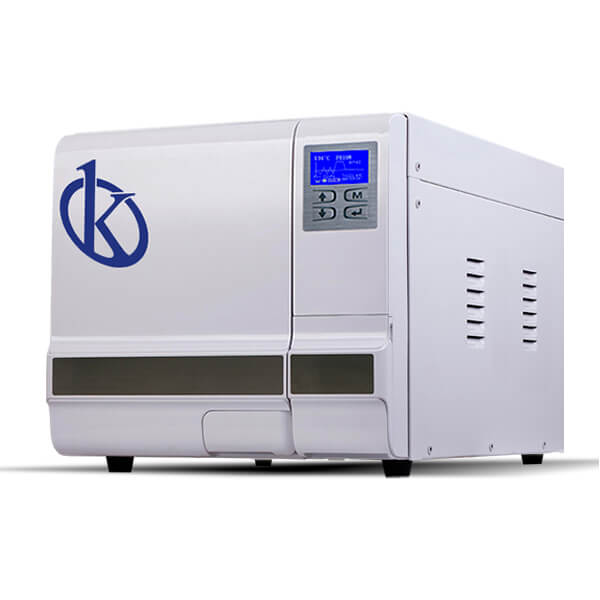
Maximizing ROI and Cost-Benefit Analysis for Horizontal Autoclaves
In the laboratory setting, especially within sterilization practices, understanding the return on investment (ROI) and performing a thorough cost-benefit analysis is crucial for effective financial planning. Horizontal autoclaves, renowned for their efficiency, present varying features that cater to diverse laboratory needs. This article will delve into these aspects, examining multiple models and their impact on cost effectiveness within various operational contexts.
Understanding ROI in Laboratory Equipment
ROI, or return on investment, is a measure used to evaluate the efficiency of an investment. In laboratory environments, it's essential to consider both capital expenditure (CAPEX) and operational expenditure (OPEX) when calculating ROI. Horizontal autoclaves, like the Class B Table Autoclave YR03387, offer various volume capacities and automation features, influencing their total cost and operational efficiency. Evaluating the cost of ownership and potential savings from reduced downtime and improved sterilization efficacy contributes significantly to the overall ROI.
Conducting a Cost-Benefit Analysis
A cost-benefit analysis (CBA) for horizontal autoclaves helps establish the financial viability of the equipment. By comparing the costs (initial purchase, maintenance, consumables) against the benefits (time saved, efficiency gained, compliance achieved), laboratories can determine the best model that aligns with their financial goals. For instance, the Class B Table Autoclave YR03390, with its larger chamber size, may provide higher throughput, thus reducing overall sterilization costs per cycle compared to smaller models.
Comparison of Available Models
| Model | CAPEX (USD) | Cost per Test (USD) | Payback Period (Months) | Recommended Scenario |
|---|---|---|---|---|
| YR03387 | 750.00 | 0.50 | 12 | Small businesses, clinics |
| YR03388 | 835.00 | 0.55 | 14 | Beauty salons, tattoo studios |
| YR03389 | 900.00 | 0.60 | 15 | Veterinary clinics |
| YR03390 | 1000.00 | 0.65 | 16 | Laboratories requiring high throughput |
| YR03385C | 2350.00 | 0.75 | 20 | Medium to large laboratories |
| YR03385B | 2800.00 | 0.80 | 22 | Industrial settings |
Key Features of Horizontal Autoclaves
Horizontal autoclaves are designed for efficiency and precision in sterilization. The Class B Table Autoclave YR03387, for example, features a pre-vacuum triple fractionation method that ensures thorough sterilization. This model, along with others in the range, offers pre-programmed sterilization cycles which enhance ease of use and reliability, making them suitable for both small clinics and larger laboratories.
Evaluating Operational Costs
The operational costs associated with horizontal autoclaves can significantly impact overall laboratory expenses. Factors such as energy consumption, water usage, and maintenance frequency must be evaluated. For instance, models like the Class B Table Autoclave YR03390 consume more power due to their larger chambers but offer greater throughput, thereby reducing the cost per sterilization cycle in high-demand environments.
Common Mistakes and How to Avoid Them
When investing in horizontal autoclaves, laboratories often overlook the total cost of ownership. One common mistake is focusing solely on the initial purchase price, neglecting long-term operational costs, including repairs and consumables. Additionally, insufficient understanding of laboratory needs can lead to selecting a less suitable model. It is essential to evaluate the specific sterilization requirements and choose a model that aligns with those needs to avoid future inefficiencies.
Frequently Asked Questions
How can I determine the best horizontal autoclave model for my laboratory?
To select the best horizontal autoclave, evaluate your laboratory's sterilization needs, throughput requirements, and budget constraints. For example, the Class B Table Autoclave YR03390 suits high-demand settings with its larger chamber capacity, while smaller clinics may find the Class B Table Autoclave YR03387 more economical.
What are the energy consumption rates of Class B Table Autoclaves?
Energy consumption varies by model; for instance, the Class B Table Autoclave YR03390 has a higher energy usage due to its capacity of 23 liters, but this can lead to reduced cycle times, ultimately improving efficiency. It's important to factor in the energy consumption when performing a cost-benefit analysis.
Which model offers the fastest sterilization cycles for busy laboratories?
The Class B Table Autoclave YR03390 is designed for higher throughput, making it ideal for busy laboratories needing rapid sterilization cycles. Its advanced features allow for quick turnaround times, which can significantly enhance laboratory productivity.
What maintenance is required for horizontal autoclaves to ensure longevity?
Regular maintenance includes checking seals, cleaning filters, and inspecting the chamber for wear. Models like the Class B Table Autoclave YR03388 require specific maintenance schedules to ensure optimal performance and compliance with European standards like EN13060.
How do I calculate the payback period for an autoclave investment?
To calculate the payback period, divide the total investment cost by the annual savings generated from efficiency gains and reduced operational costs. For instance, if investing in the Class B Table Autoclave YR03385C reduces costs by $1500 annually, and the initial investment is $2350, the payback period would be approximately 16 months.
What are the compliance standards for horizontal autoclaves in laboratories?
Horizontal autoclaves must comply with various standards, including EN13060 for small steam sterilizers. Models like the Class B Table Autoclave YR03387 meet these standards, ensuring that they adhere to laboratory safety and efficacy guidelines.
How do horizontal autoclaves impact overall laboratory efficiency?
Horizontal autoclaves significantly impact laboratory efficiency by ensuring reliable and quick sterilization. Choosing the right model, such as the Class B Table Autoclave YR03389, allows laboratories to maximize throughput and minimize downtime, leading to better overall performance.
What are the advantages of using automated cycles in autoclaves?
Automated cycles in autoclaves, such as those present in the Class B Table Autoclave YR03390, minimize human error and ensure consistent results. This automation not only streamlines workflows but also enhances compliance with sterilization protocols and standards.
For laboratories looking to optimize their sterilization processes with a focus on ROI and cost-effectiveness, exploring various models is crucial. If you are considering investing in horizontal autoclaves, request a quote on Kalstein Plus for the best options available.
If you are looking for a fusion of innovation and quality, you have come to the right place. At Kalstein, we offer you the luxury of exploring our exclusive catalog of laboratory equipment. We manufacture every device to the highest standards of excellence. Our intuitive and seamless online purchasing channels are designed for your convenience, securing the most competitive prices. Hesitate no longer — we bring science to life, it is time to become part of our community.