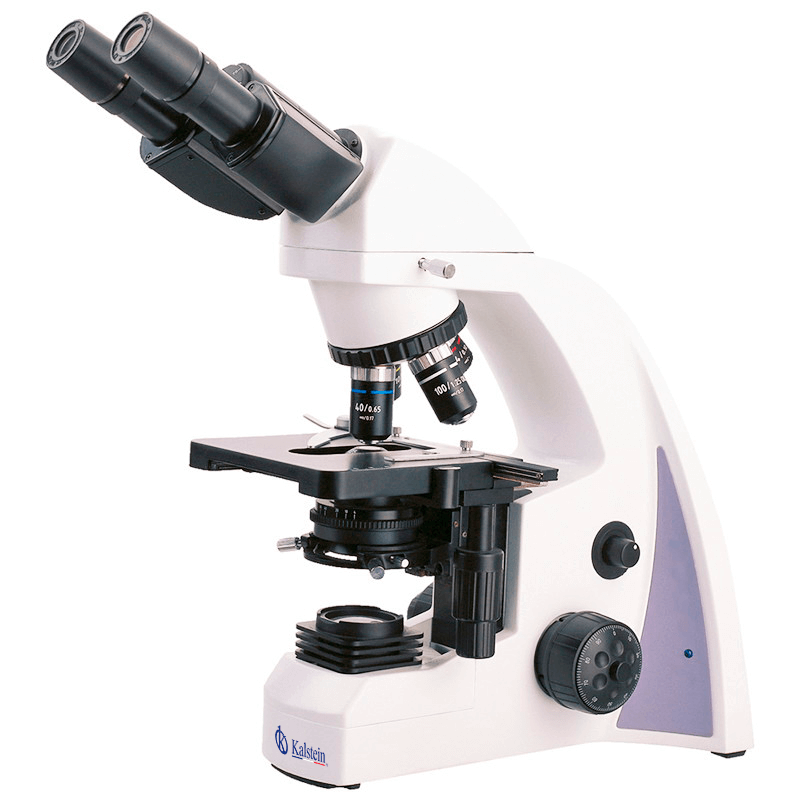
Maximizing ROI and Cost-Benefit Analysis for Laboratory Equipment
In the competitive landscape of laboratory operations, understanding the return on investment (ROI) and conducting a thorough cost-benefit analysis is critical. These financial assessments shape purchasing decisions for equipment such as laboratory microscopes and fluid handling pipettes, directly impacting operational efficiency and budget management.
Understanding ROI and Cost-Benefit Analysis
ROI is a performance measure used to evaluate the efficiency or profitability of an investment. It is calculated by dividing the net profit of the investment by the initial cost, often expressed as a percentage. A cost-benefit analysis, on the other hand, compares the costs of an investment against the benefits it yields, helping laboratory professionals make informed decisions.
In laboratories, where equipment costs can be substantial, analyzing ROI and conducting cost-benefit assessments are paramount in ensuring the long-term sustainability of operations. For instance, understanding how specific models can affect overall costs and productivity can significantly enhance decision-making processes.
Key Factors Influencing ROI in Laboratory Equipment
Several factors influence the ROI of laboratory equipment:
- Initial Costs: The upfront purchase price of the equipment, including installation costs.
- Operational Costs: Ongoing expenses such as maintenance, labor, and consumables.
- Productivity Gains: Improvements in throughput and efficiency as a result of using more advanced equipment.
- Quality of Results: Enhanced accuracy and reliability can lead to better outcomes and reduced costs associated with errors.
Comparison of Available Models
| Model | Initial Cost (USD) | Operating Cost (Monthly) | Estimated Annual Savings | ROI (%) | Best Use Case |
|---|---|---|---|---|---|
| YR0237-0-1 | 437.00 | 50.00 | 200.00 | 45.8 | Routine microscopy tasks |
| YR0237-1 | 491.00 | 55.00 | 220.00 | 44.8 | Advanced microscopy needs |
| YR0237-1-1 | 448.10 | 52.00 | 215.00 | 48.0 | General usage in laboratories |
| YR03731-1 | 13.00 | 5.00 | 10.00 | 76.9 | Precision pipetting tasks |
| YR03731-2 | 13.00 | 5.00 | 10.00 | 76.9 | Reliable sample handling |
| YR03731-3 | 13.00 | 5.00 | 10.00 | 76.9 | Efficient liquid transfers |
Common Mistakes and How to Avoid Them
When conducting ROI and cost-benefit analyses, several common mistakes can undermine the accuracy of the evaluation:
- Ignoring Hidden Costs: Failing to account for maintenance, calibration, and operational costs can skew results.
- Overestimating Benefits: Be realistic about productivity gains and improvements in quality.
- Not Considering Lifespan: Evaluate potential equipment lifespan and replaceability to gauge long-term investment value.
Maximizing ROI through Effective Strategies
To enhance ROI for laboratory equipment, consider implementing the following strategies:
- Regular Maintenance: Ensure optimal operation and longevity of equipment, minimizing unexpected costs.
- Training Staff: Properly trained staff can operate equipment more efficiently, increasing throughput and reducing errors.
- Periodic Reviews: Regularly assess equipment performance against benchmarks to identify underperforming assets.
Calculating Cost-Effectiveness: A Detailed Approach
A detailed cost-effectiveness analysis can help in selecting the best equipment for specific applications:
| Model | Cost per Test (USD) | Monthly Tests | Annual Cost (USD) | ROI (% Over 5 Years) |
|---|---|---|---|---|
| YR0237-0-1 | 2.00 | 200 | 400.00 | 45.8 |
| YR0237-1 | 2.25 | 180 | 405.00 | 44.8 |
| YR03731-1 | 0.10 | 1000 | 100.00 | 76.9 |
Frequently Asked Questions
How can a cost-benefit analysis improve laboratory equipment purchasing decisions?
A cost-benefit analysis allows laboratories to compare different models' costs and benefits quantitatively and qualitatively. For instance, analyzing models like YR0237-1 against their total operating and maintenance costs can lead to better purchasing decisions that maximize efficiency.
What factors should be included in an ROI calculation for laboratory microscopes?
Key factors include initial purchase price, maintenance costs, expected lifespan, and productivity improvements. For example, the YR0237-0-1 model, priced at $437.00, should have all these aspects considered to accurately calculate ROI.
Which fluid handling pipette model offers the best ROI in laboratory settings?
Among the models, the YR03731-1 offers an impressive return on investment with its low operating cost of $5.00 monthly and high accuracy for pipetting, making it a cost-effective choice for fluid handling tasks.
What common mistakes do labs make when assessing equipment ROI?
Common mistakes include overlooking hidden costs, overestimating potential benefits, and failing to account for equipment lifespan, which can lead to inaccurate ROI assessments for models such as the YR0237-1.
How does regular maintenance impact the ROI of laboratory equipment?
Regular maintenance ensures optimal performance and can significantly reduce the likelihood of costly repairs or replacements. For instance, maintaining the YR0237-1 can help maximize its investment potential over time.
What role does employee training play in maximizing ROI for laboratory equipment?
Training staff on the proper use of equipment, such as the YR03731-2 pipette, can lead to increased efficiency and accuracy, ultimately improving ROI through better productivity and reduced error rates.
How can laboratories evaluate the total cost of ownership for equipment?
The total cost of ownership includes purchase cost, maintenance, operational costs, and expected lifespan. For example, a holistic evaluation of the YR0237-1 will provide a comprehensive understanding of its financial impact.
What methods can be used to enhance the cost-effectiveness of laboratory equipment?
Methods include regular performance assessments, investing in quality equipment with longer lifespans, and implementing energy-saving practices, which can optimize the overall cost-effectiveness of models like the YR03731-3.
If you are looking for a fusion of innovation and quality, you have come to the right place. At Kalstein, we offer you the luxury of exploring our exclusive catalog of laboratory equipment. We manufacture every device to the highest standards of excellence. Our intuitive and seamless online purchasing channels are designed for your convenience, securing the most competitive prices. Hesitate no longer — we bring science to life, it is time to become part of our community.