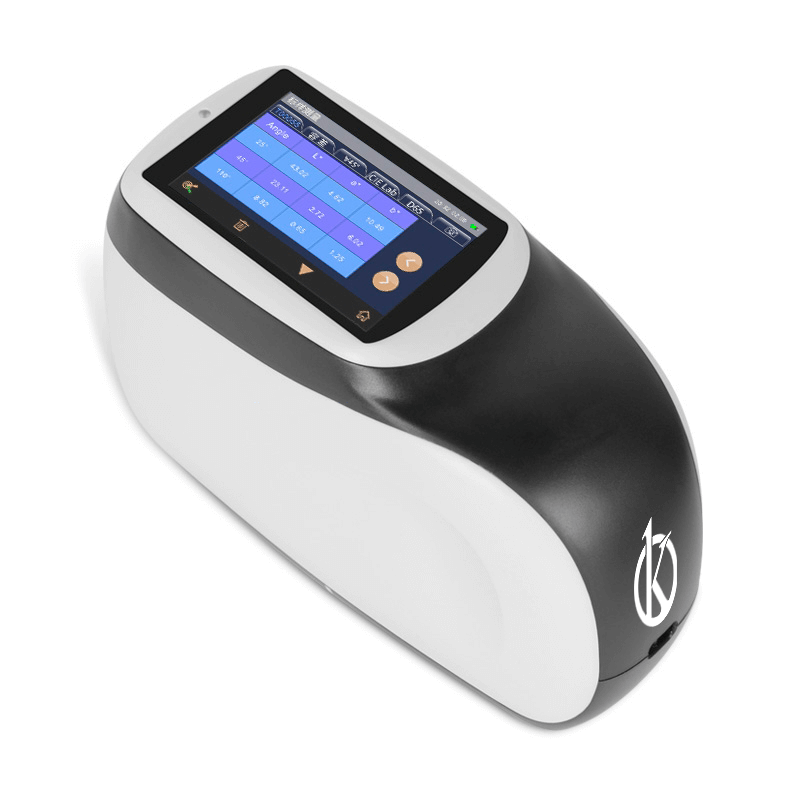
Maximizing ROI and Cost-Benefit Analysis for Multi-Angle Spectrophotometers
Laboratories today face increasing pressure to enhance their operational efficiency while minimizing costs. Multi-angle spectrophotometers have emerged as essential tools across various fields, including materials science, quality control, and color measurement. However, understanding the return on investment (ROI) and conducting a robust cost-benefit analysis can significantly influence purchasing decisions. This article delves into the intricacies of evaluating ROI and cost-benefit for multi-angle spectrophotometers, focusing on specific models available in the market.
Understanding Multi-Angle Spectrophotometers
Multi-angle spectrophotometers are advanced devices designed to measure the reflectance and transmittance of materials at various angles. They are crucial for assessing color differences, particularly in applications such as paint, coatings, and plastic materials. These devices employ multiple light sources and detectors to provide comprehensive data, making them invaluable for laboratories aiming to meet stringent quality control standards.
Comparison of Available Models
| Model | CAPEX (USD) | Cost per test (USD) | Payback (months) | Recommended scenario |
|---|---|---|---|---|
| YR05491 | 8730.00 | 1.50 | 12 | Small to medium labs focusing on color measurement |
| YR05492 | 13492.00 | 2.50 | 15 | Large labs requiring high precision and multiple measurements |
| YR05488 | 2857.00 | 0.80 | 8 | Budget-conscious labs focusing on baseline color analysis |
| YR05489 | 4762.00 | 1.20 | 10 | Labs needing moderate accuracy for color comparisons |
| YR05490 | 6032.00 | 1.75 | 13 | Research labs requiring robust performance |
Key Considerations for Cost-Benefit Analysis
When evaluating multi-angle spectrophotometers, it's essential to consider both the initial investment and the ongoing operational costs. Factors like maintenance, calibration, and consumables significantly impact the total cost of ownership. Additionally, analyzing how these devices affect productivity and throughput can aid in justifying their purchase.
Evaluating ROI: A Quantitative Approach
The ROI from multi-angle spectrophotometers can be evaluated through various financial metrics. For instance, consider a laboratory that expects to conduct 1,000 tests per year. By calculating the total costs associated with each model, including purchase price, maintenance, and consumables, one can derive the cost per test and expected returns. For example, using the YR05491 with a CAPEX of $8730 and a cost per test of $1.50, the annual testing costs would amount to $1500. The returns can be calculated based on improved accuracy leading to higher quality products and customer satisfaction.
Common Mistakes and How to Avoid Them
Many laboratories underestimate the total cost of ownership when selecting equipment. It's vital to include not just purchase price but also operational costs, potential downtime, and the impact on productivity. Proper training for staff on using these spectrophotometers can further mitigate issues like inaccurate readings or misinterpretation of data.
Additional Considerations: Calibration and Maintenance Costs
Regular calibration and maintenance are crucial for maximizing the performance of multi-angle spectrophotometers. Laboratories must factor in these ongoing costs when conducting a cost-benefit analysis. For instance, the YR05492, while initially more expensive, may offer superior reliability and lower maintenance costs over time compared to budget models.
How does calibration frequency impact ROI for multi-angle spectrophotometers?
Calibration frequency directly affects the instrument's accuracy and reliability. For instance, the YR05492 may require calibration every six months, while other models could necessitate quarterly checks. This variance can influence the overall operational costs, impacting ROI calculations significantly.
What are the key features to consider when evaluating multi-angle spectrophotometers?
Key features to consider include measurement angles, the number of light sources, and compliance with industry standards. Models like the YR05491 comply with ASTM and ISO standards, ensuring reliable results, which can enhance the ROI through compliance-driven projects.
Frequently Asked Questions
How much can I save in operational costs with a multi-angle spectrophotometer?
You can save significantly on operational costs by choosing an efficient model like the YR05488, which offers a lower cost per test of $0.80. Over a year, this can lead to savings compared to higher-cost models.
Which multi-angle spectrophotometer is best for high precision measurements?
The YR05492 is ideal for high precision measurements, with an investment of $13492, offering excellent performance for laboratories that require detailed color analysis across multiple angles.
What is the average payback period for a multi-angle spectrophotometer?
The average payback period varies by model; for instance, the YR05491 has a payback of approximately 12 months, making it a cost-effective choice for labs focused on color measurement.
How often should multi-angle spectrophotometers be calibrated?
Calibration frequency can range from quarterly to annually based on model specifications. The YR05492, for example, benefits from semi-annual calibration to maintain accuracy and reliability.
What standards do multi-angle spectrophotometers comply with?
Most models, including the YR05491 and YR05492, comply with ASTM D 2244 and ISO 7724 standards, ensuring high-quality measurements crucial for regulatory compliance in laboratories.
What factors impact the total cost of ownership for these instruments?
Factors include initial purchase cost, maintenance, calibration, and consumables. Assessing these elements ensures a comprehensive understanding of each model's total cost over its lifecycle.
Conclusion
Evaluating the ROI and cost-benefit of multi-angle spectrophotometers is essential for laboratories aiming to enhance their operational efficiency and accuracy. By carefully analyzing the total cost of ownership, expected savings, and the unique features of each model, laboratory professionals can make informed decisions that align with their operational goals.
If you are looking for a fusion of innovation and quality, you have come to the right place. At Kalstein, we offer you the luxury of exploring our exclusive catalog of laboratory equipment. We manufacture every device to the highest standards of excellence. Our intuitive and seamless online purchasing channels are designed for your convenience, securing the most competitive prices. Hesitate no longer — we bring science to life, it is time to become part of our community.