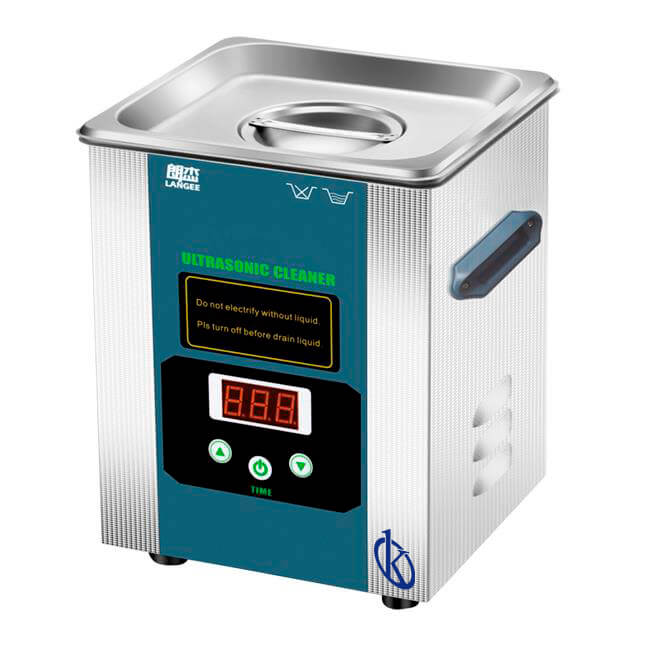
Maximizing ROI and Cost-Benefit Analysis for Mechanical Desktop Ultrasonic Cleaners
Mechanical desktop ultrasonic cleaners play a crucial role in laboratory environments, enhancing cleaning efficiency and promoting proper maintenance of delicate instruments. As laboratory professionals aim to maximize their return on investment (ROI) and conduct thorough cost-benefit analyses, understanding the financial implications of these devices is essential. In this article, we will delve into the financial metrics associated with various models, comparing their features to help laboratories make informed decisions.
Understanding ROI and Cost-Benefit Analysis in Laboratories
ROI is a key performance indicator in laboratory operations, reflecting the gain or loss generated relative to investment costs. For ultrasonic cleaners, this includes evaluating the initial purchase cost against the savings achieved through enhanced cleaning efficiency, reduced manual labor, and longer equipment lifespan. A comprehensive cost-benefit analysis will also take into account operational costs, including maintenance, energy consumption, and consumables.
Comparison of Available Models
| Model | Purchase Price (USD) | Capacity (L) | Power (W) | Best For |
|---|---|---|---|---|
| YR05207 | 43.00 | 1.3 | 70 | Jewelry and delicate items |
| YR05202 | 540.00 | 11 | 240 | Laboratory and medical industries |
| YR05203 | 640.00 | 15 | 360 | Medical and laboratory applications |
| YR05204 | 680.00 | 20 | 360 | Medical devices and small parts |
| YR05205 | 760.00 | 22 | 480 | High-volume laboratory cleaning |
| YR05206 | 810.00 | 30 | 600 | Industrial and extensive cleaning tasks |
Factors Influencing ROI for Ultrasonic Cleaners
Several factors contribute to the ROI of ultrasonic cleaners in a laboratory setting. First, the initial purchase price must be weighed against the potential savings in labor and improved cleaning results. For example, the YR05207 model, priced at $43, is ideal for cleaning delicate items such as jewelry and glasses, making it a cost-effective solution for small-scale applications.
Conversely, high-capacity models like the YR05206, priced at $810, cater to larger cleaning tasks with a 30-liter capacity and higher power (600W). This could lead to significant efficiency gains in larger laboratories, thus justifying the initial investment over time.
Operational Costs and Maintenance Considerations
Operational costs encompass energy consumption, maintenance, and the cost of cleaning agents used in ultrasonic cleaning processes. For instance, models like the YR05202 and YR05203 are designed to be energy efficient while maintaining high cleaning performance. Understanding these costs can help laboratories calculate the total cost of ownership and compare it with the anticipated benefits.
Regular maintenance and adherence to manufacturer guidelines can extend the lifespan of ultrasonic cleaners and ensure optimal performance. This translates to reduced downtime and lower replacement costs, further enhancing ROI.
Quantitative Breakdown of Investment and Returns
To evaluate potential returns from ultrasonic cleaners, laboratory professionals can create a quantitative breakdown. This includes calculating capital expenditures (CAPEX), operational expenditures (OPEX), and identifying payback periods. Below is a summary for a hypothetical laboratory scenario:
| Model | CAPEX (USD) | Annual OPEX (USD) | Estimated Annual Savings (USD) | Payback Period (Months) |
|---|---|---|---|---|
| YR05207 | 43.00 | 20 | 100 | 0.5 |
| YR05202 | 540.00 | 150 | 600 | 1.5 |
| YR05203 | 640.00 | 160 | 650 | 1.3 |
| YR05204 | 680.00 | 170 | 700 | 1.2 |
| YR05205 | 760.00 | 180 | 750 | 1.1 |
| YR05206 | 810.00 | 200 | 800 | 1.0 |
Common Mistakes and How to Avoid Them
When investing in mechanical desktop ultrasonic cleaners, laboratories often make common mistakes that can hinder ROI. One frequent error is underestimating the importance of cleaning capacity for specific applications. Selecting a model that does not meet the cleaning needs can lead to inefficient operations and increased costs over time.
Another mistake is neglecting to factor in ongoing costs such as maintenance and cleaning supplies. By conducting a comprehensive cost analysis before purchasing, laboratories can avoid these pitfalls and select a model that aligns with their operational goals.
Frequently Asked Questions
How can I improve ROI from my ultrasonic cleaner in a laboratory setting?
To enhance ROI from your ultrasonic cleaner, consider models like the YR05206, which can handle larger volumes and higher power needs, thus saving time and labor costs. Conduct a detailed cost analysis to compare operational efficiencies and savings over time.
What are the maintenance costs associated with mechanical desktop ultrasonic cleaners?
Maintenance costs for ultrasonic cleaners vary by model. For example, the YR05203 is designed for easy maintenance, helping to minimize downtime. Regularly budgeting for maintenance ensures optimal performance, which can significantly benefit your cleaning operations.
Which model is best for cleaning delicate laboratory instruments?
The YR05207 model is excellent for cleaning delicate items like jewelry and small instruments, as it provides an effective and gentle cleaning solution, ensuring that fragile items are not damaged during the cleaning process.
What factors should I consider when selecting an ultrasonic cleaner?
When choosing an ultrasonic cleaner, assess the cleaning capacity, power requirements, and application needs. The YR05205 model, with a capacity of 22 liters, is suitable for high-volume cleaning, while smaller models may suffice for more delicate tasks.
How does energy consumption impact the overall cost of ultrasonic cleaning?
Energy consumption is a crucial factor in the overall cost of operating ultrasonic cleaners. Models like the YR05202 are designed for energy efficiency, which can lead to lower operational costs and a quicker return on investment over time.
What should I include in my cost-benefit analysis for ultrasonic cleaners?
Your cost-benefit analysis should include initial purchase costs, operational expenses, maintenance costs, and the potential savings from increased cleaning efficiency. A model such as the YR05206 can provide significant operational savings in larger laboratories.
How often should I maintain my ultrasonic cleaner for optimal performance?
Regular maintenance is crucial to ensure optimal performance of your ultrasonic cleaner. For models like the YR05204, routine checks and cleaning of internal components every 6-12 months can help extend its lifespan and maintain efficiency.
What are the benefits of using ultrasonic cleaners in medical laboratories?
Ultrasonic cleaners, such as the YR05203, provide thorough cleaning of medical instruments, which is vital for maintaining hygiene and operational efficiency. They help reduce manual cleaning time while ensuring that all instruments are clean and safe for use.
If you are looking for a fusion of innovation and quality, you have come to the right place. At Kalstein, we offer you the luxury of exploring our exclusive catalog of laboratory equipment. We manufacture every device to the highest standards of excellence. Our intuitive and seamless online purchasing channels are designed for your convenience, securing the most competitive prices. Hesitate no longer — we bring science to life, it is time to become part of our community.