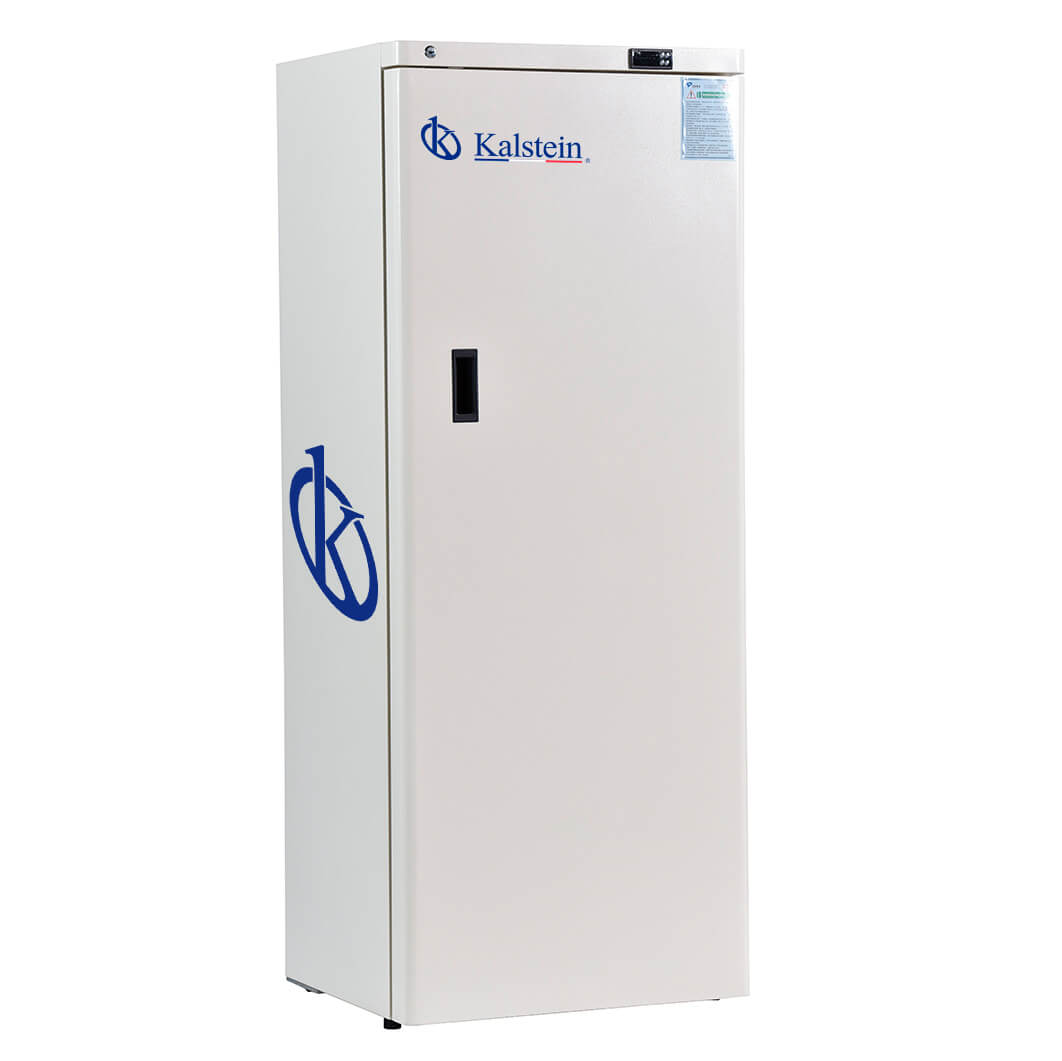
Maximizing ROI and Cost-Benefit Analysis for Upright Freezers in Laboratories
In the world of laboratory equipment, upright freezers play a crucial role in the storage of biological samples and reagents. Understanding their financial implications through a comprehensive return on investment (ROI) and cost-benefit analysis can enhance both operational efficiency and budget adherence. This article will delve into the various models available in the upright freezer category, examining their unique features, costs, and suitability for different laboratory environments.
Understanding the Cost-Benefit Landscape of Upright Freezers
Upright freezers are essential for laboratories that require precise temperature control for sample preservation. However, investing in these units goes beyond just purchasing them; it involves understanding their operational costs, energy efficiency, and lifespan. By analyzing these factors, laboratories can discern which models provide the best ROI. A detailed cost-benefit analysis reveals how initial capital expenditures (CAPEX) and ongoing operational expenditures (OPEX) impact the overall profitability of laboratory operations.
Factors Influencing Return on Investment
Several critical factors influence the ROI of upright freezers, including energy consumption, maintenance costs, and the technology used in refrigeration. The energy efficiency of a model, often expressed in kilowatt-hours (kWh), can dramatically affect the OPEX. Selecting a model with lower energy consumption not only reduces costs but also contributes to sustainability efforts in the laboratory.
Comparison of Available Models
| Model | CAPEX (USD) | Energy Consumption (kWh/24h) | Recommended Scenario |
|---|---|---|---|
| YR05097 | 588.00 | 1.5 | Small labs requiring moderate storage |
| YR05297 | 3110.00 | 12.8 | Long-term storage of sensitive biological samples |
| YR05296 | 2480.00 | 11.2 | Research facilities needing ultra-low temperatures |
| YR05295 | 3400.00 | Variable | High-volume storage in hospitals |
| YR05294 | 1030.00 | 1.5 | Storage of vaccines and plasma |
| YR05293 | 840.00 | 1.5 | Biobanks and smaller laboratories |
Common Mistakes and How to Avoid Them
Investing in upright freezers requires careful consideration of various aspects to avoid common pitfalls. One frequent mistake is overlooking the total cost of ownership, which includes not just the purchase price but also energy costs, maintenance, and depreciation. Additionally, failing to assess the specific storage requirements of the laboratory can lead to selecting an inadequate model that incurs unnecessary expenses. Laboratories should always conduct thorough research and analysis before finalizing a purchase decision.
Exploring Energy Efficiency in Upright Freezers
Energy efficiency is paramount in maximizing ROI when selecting an upright freezer. Models such as YR05097 and YR05294 utilize R290 refrigerant, which is environmentally friendly and energy-efficient. It is crucial for laboratories to evaluate the energy consumption rates of different models, as this directly impacts operational costs over time. Using a simple cost calculation can help laboratories project long-term savings with energy-efficient units.
Utilizing Cost Calculators for Accurate Projections
Cost calculators can provide laboratory managers with a clear picture of potential savings when selecting upright freezers. By inputting data such as initial costs, energy rates, and expected lifespan, laboratories can easily compare models. An example calculation for YR05297 with a projected lifespan of 10 years and an energy cost of $0.12 per kWh can illustrate potential savings versus an older model with higher consumption rates.
Evaluating Maintenance and Support Costs
Maintenance and support costs are critical components of the total cost of ownership. Models equipped with advanced monitoring systems, such as YR05296, can alert users to potential issues early, thereby reducing repair costs and downtime. Regular maintenance checks should be scheduled to ensure compliance with manufacturer guidelines, ultimately prolonging the lifespan of the freezer and protecting the laboratory's investment.
Integrating Technology for Better Performance Tracking
Many modern upright freezers, including YR05297, come equipped with digital displays that provide real-time temperature monitoring and alerts. This technology enables laboratories to track performance and ensure compliance with regulatory requirements for sample storage. Integrating such technology into standard operating procedures can significantly enhance the laboratory's ability to manage their equipment efficiently and effectively.
Frequently Asked Questions
What is the average ROI for investing in an upright freezer in a laboratory?
The average ROI for investing in an upright freezer can vary widely depending on operational costs and usage. For example, models like YR05294 may yield lower initial costs but have higher energy expenses, impacting overall profitability.
How can I calculate the total cost of ownership for an upright freezer?
Total cost of ownership includes CAPEX, OPEX, maintenance, and energy costs. For instance, YR05296 may have an initial cost of $2480, with additional annual costs for energy and maintenance contributing to the final total.
Which upright freezer model is best for long-term biological sample storage?
The YR05297 is specifically designed for long-term storage of sensitive biological samples due to its ultra-low temperature capabilities and advanced monitoring features, ensuring sample integrity.
What maintenance practices ensure optimal performance of upright freezers?
Regular maintenance practices such as routine cleaning, monitoring of temperature logs, and using caution with door openings can optimize performance. Models like YR05293 have built-in alerts for maintenance needs.
How does energy consumption affect the overall cost of running an upright freezer?
Energy consumption has a direct impact on OPEX. For instance, the YR05296, while initially more expensive, can lead to lower energy costs over time compared to less efficient models, enhancing overall ROI.
What are the key features to look for in a laboratory upright freezer?
Key features include temperature range, energy efficiency, built-in monitoring systems, and storage capacity. Models like YR05097 emphasize these features while catering to diverse laboratory needs.
How can I assess the suitability of an upright freezer for my laboratory needs?
Assess suitability by analyzing storage requirements, energy costs, and maintenance needs. Choosing models like YR05294 can align better with specific laboratory functions like vaccine storage due to their designed features.
What is the best approach to compare different upright freezer models?
The best approach is to compile a comparison table, evaluating factors such as CAPEX, energy efficiency, and specific features. This method allows for clear identification of the most suitable model for your laboratory environment.
If you are looking for a fusion of innovation and quality, you have come to the right place. At Kalstein, we offer you the luxury of exploring our exclusive catalog of laboratory equipment. We manufacture every device to the highest standards of excellence. Our intuitive and seamless online purchasing channels are designed for your convenience, securing the most competitive prices. Hesitate no longer — we bring science to life, it is time to become part of our community.