Maximizing ROI Through Cost-Benefit Analysis for Vacuum Ovens in Laboratories
In the world of laboratory operations, making informed decisions regarding equipment purchases is crucial. Vacuum ovens are essential tools for various applications, including drying and sterilization. However, understanding their return on investment (ROI) and conducting a thorough cost-benefit analysis can significantly influence operational efficiency and profitability. This article delves into the ROI associated with vacuum ovens, detailing how laboratories can maximize their investments.
Understanding Vacuum Ovens and Their Applications
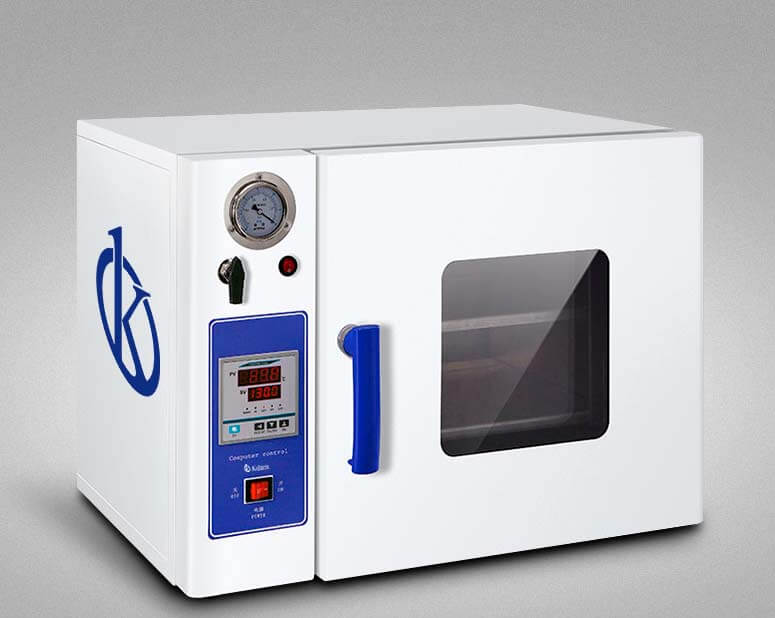
Vacuum ovens are specialized devices that utilize reduced atmospheric pressure to facilitate drying and sterilization processes, making them invaluable in fields like biochemistry, pharmaceuticals, and environmental research. Models such as the Vacuum Drying Oven YR05260 (A) and YR05261 (A) are particularly noted for their efficiency in drying temperature-sensitive materials and complex compositions.
These ovens are designed to prevent oxidation and degradation, providing a reliable solution for researchers who require precise temperature control and consistent results. Investing in vacuum ovens not only enhances laboratory productivity but can also lead to long-term cost savings when assessed through a financial lens.
Key Factors in Conducting a Cost-Benefit Analysis
Conducting a cost-benefit analysis requires understanding several critical factors:
- Initial Investment Cost: This includes the purchase price of the vacuum oven, installation, and training expenses.
- Operational Costs: Consider utility costs, maintenance, and consumables.
- Depreciation: Understand how the vacuum oven will depreciate over its useful life.
- Labor Savings: Analyze how automation and efficiency improvements can reduce labor costs.
- Quality Improvement: Evaluate how the oven contributes to better quality control and reduces material waste.
ROI Calculation for Vacuum Ovens
The ROI for vacuum ovens can be calculated using the following formula:
ROI = (Net Profit / Cost of Investment) x 100
To illustrate this, let's consider a scenario involving the Vacuum Drying Oven YR05262 (SS). With a purchase cost of $400.00, operational savings resulting from reduced drying times and improved sample quality could lead to an annual savings of $1,200.00. This results in a net profit of $800.00, yielding an ROI of 200%.
Comparison of Available Models
| Model | Purchase Price (USD) | Best For | Operational Efficiencies |
|---|---|---|---|
| YR05260 (A) | $330.00 | Heat-sensitive materials | High efficiency, low energy consumption |
| YR05261 (A) | $460.00 | Complex sample compositions | Effective sterilization capability |
| YR05262 (SS) | $400.00 | General laboratory drying | Versatile use |
| YR05263 (SS) | $590.00 | High-volume applications | Large capacity |
| YR05264 (A) | $690.00 | Specialty chemical applications | Advanced drying technology |
| YR05265 (SS) | $845.00 | Highly regulated environments | Compliance with stringent standards |
Leveraging Energy Efficiency for Cost Reduction
Energy consumption is a significant factor in the operational costs of vacuum ovens. Models like the YR05260 (A) are designed to minimize energy use while maintaining performance. Laboratories can achieve substantial savings by investing in energy-efficient models, which can reduce utility expenses over time.
Implementing energy management practices and monitoring consumption can further improve ROI. It's essential to calculate the energy cost per operation and assess how each model contributes to long-term savings.
Common Mistakes and How to Avoid Them
When investing in vacuum ovens, laboratories often make mistakes that can hinder ROI:
- Neglecting Total Cost of Ownership: Focusing solely on purchase price can lead to higher long-term costs. Consider operational, maintenance, and energy expenses.
- Underestimating Training Needs: Proper training is essential for effective use. Institutions should prioritize user training to enhance productivity and efficiency.
- Ignoring Maintenance: Regular maintenance is critical to ensure optimal performance. Establish a maintenance schedule to prevent costly breakdowns.
Frequently Asked Questions
What is the ROI of using a vacuum drying oven in a research lab?
The ROI of a vacuum drying oven, such as the YR05261 (A), can be significant. With a purchase price of $460.00, it can save up to $1,200.00 annually, resulting in an ROI of approximately 200% over time.
How do vacuum ovens improve laboratory cost efficiency?
Vacuum ovens like the YR05262 (SS) enhance cost efficiency by reducing drying times and minimizing material loss. This leads to improved throughput and better resource allocation in laboratory settings.
Which vacuum oven model is best for reducing energy costs?
The Vacuum Drying Oven YR05260 (A) is ideal for minimizing energy costs due to its high efficiency. It operates effectively while consuming less energy compared to other models, maximizing ROI.
What factors influence the purchase decision for vacuum ovens?
Key factors include initial costs, operational efficiency, maintenance needs, and application suitability. Evaluating models like YR05261 (A) can help identify the best fit for specific laboratory requirements.
How can I calculate the total cost of ownership for a vacuum oven?
To calculate the total cost of ownership, consider the initial purchase price, energy consumption, maintenance costs, and operational expenses. Tools like spreadsheets can help estimate long-term costs for models like YR05262 (SS).
What are common applications for vacuum drying ovens in laboratories?
Common applications include drying temperature-sensitive materials, sterilizing equipment, and preparing samples for analysis. Vacuum ovens like YR05263 (SS) excel in handling diverse laboratory needs.
Why is regular maintenance important for vacuum ovens?
Regular maintenance is vital for ensuring consistent performance and longevity of vacuum ovens like the YR05264 (A). It helps avoid breakdowns and unexpected repair costs, contributing to overall cost savings.
How do vacuum ovens affect sample quality and laboratory throughput?
Vacuum ovens improve sample quality by preventing oxidation and degradation during drying processes. Models such as the YR05265 (SS) can enhance throughput by allowing for faster and more reliable drying cycles.
If you are looking for a fusion of innovation and quality, you have come to the right place. At Kalstein, we offer you the luxury of exploring our exclusive catalog of laboratory equipment. We manufacture every device to the highest standards of excellence. Our intuitive and seamless online purchasing channels are designed for your convenience, securing the most competitive prices. Hesitate no longer — we bring science to life, it is time to become part of our community.