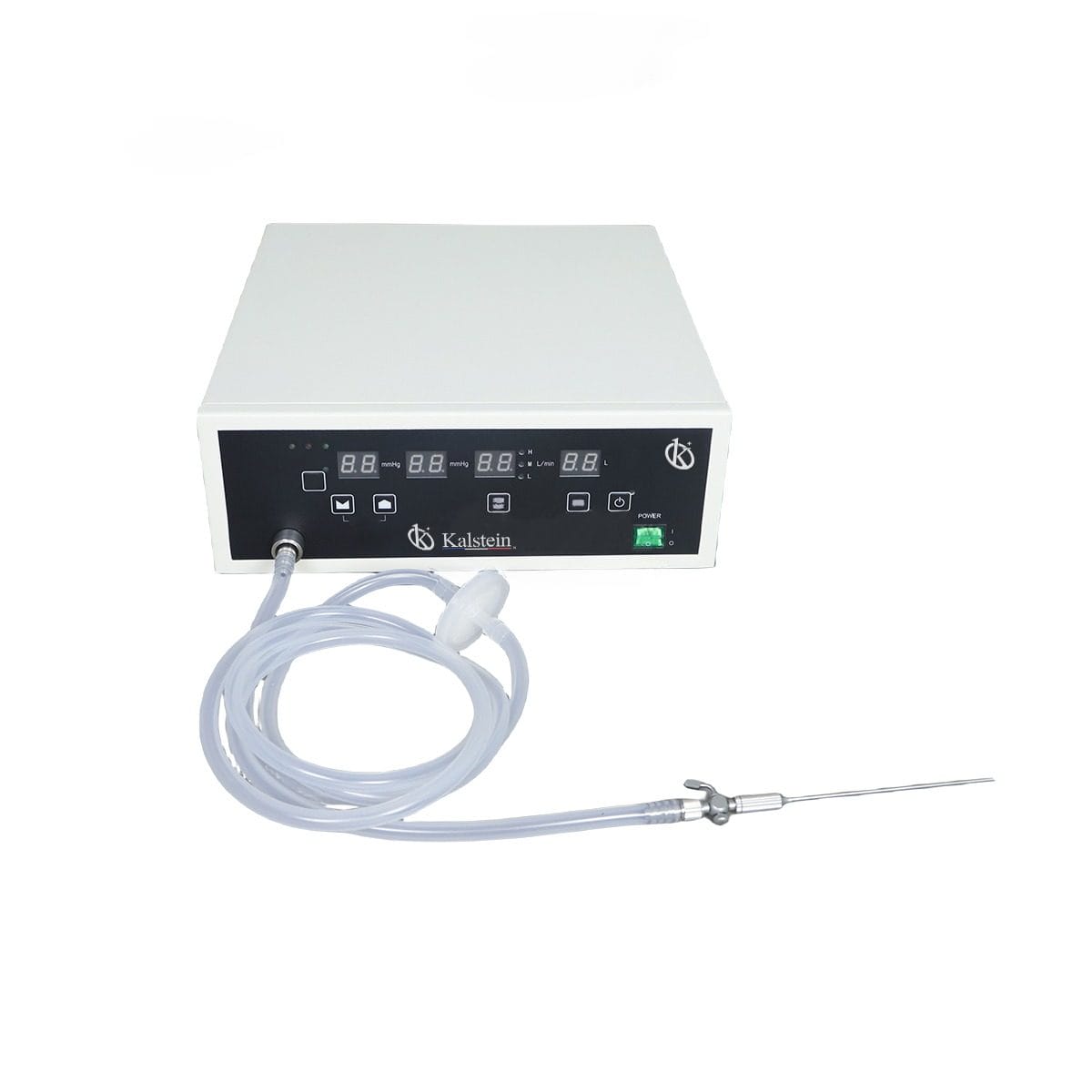
Maximizing ROI and Cost-Benefit Analysis for Veterinary Laparoscopy Systems
Veterinary laparoscopy systems have become indispensable tools in modern veterinary practice, allowing for minimally invasive surgical procedures. However, the decision to invest in these systems requires a thorough understanding of the return on investment (ROI) and cost-benefit analysis. This article will explore various models of veterinary laparoscopy systems while emphasizing how to maximize ROI through informed decision-making.
Understanding ROI in Veterinary Laparoscopy
Investing in a veterinary laparoscopy system is a significant financial commitment, and understanding ROI is crucial. ROI is typically calculated by comparing the net profit generated from the investment to the cost of the investment over a specific period. Factors influencing this calculation include the initial purchase price, operating costs, and the revenue generated from additional procedures enabled by the new technology.
Cost-Benefit Analysis for Laparoscopy Systems
Conducting a cost-benefit analysis involves evaluating the total costs versus the benefits derived from using a veterinary laparoscopy system. Costs may include initial capital expenditure (CAPEX), operational expenditure (OPEX), maintenance, and training. Benefits can encompass increased surgical efficiency, reduced recovery times for patients, and enhanced surgical capabilities, which can lead to higher client satisfaction and repeat business.
Comparison of Available Models
| Model | CAPEX (USD) | Cost per Procedure | Payback Period (months) | Recommended Scenario |
|---|---|---|---|---|
| YR06157 | 1900.00 | 150.00 | 12 | Small animal clinics |
| YR06156 | 7700.00 | 300.00 | 24 | Multi-specialty veterinary hospitals |
| YR06158 | 3000.00 | 200.00 | 15 | General practice with referral capabilities |
Factors Influencing ROI in Veterinary Practices
Several factors can influence ROI calculations in the context of veterinary laparoscopy systems. These factors include the frequency of surgical procedures performed, the average revenue per procedure, and the efficiency gains achieved through the use of advanced technology. For instance, the YR06157 model's lower price point makes it a cost-effective option for small animal clinics aiming to increase their surgical offering without significant upfront costs.
Quantitative Breakdown of Costs
To provide a clearer understanding of costs associated with each model, a quantitative breakdown can be beneficial. The breakdown encompasses initial costs, expected maintenance costs, and operational expenses over three years based on various scenarios:
| Model | Initial Cost (USD) | Annual Maintenance Cost (USD) | Total Cost Over 3 Years (USD) |
|---|---|---|---|
| YR06157 | 1900.00 | 200.00 | 2500.00 |
| YR06156 | 7700.00 | 300.00 | 8900.00 |
| YR06158 | 3000.00 | 250.00 | 3500.00 |
Common Mistakes and How to Avoid Them
One common mistake in ROI analysis is overlooking operational costs after the initial purchase. Another mistake is failing to account for the potential increase in business due to enhanced capabilities with a new system. It's essential to regularly review the actual performance against projections to adjust strategies as needed. Engaging with financial advisors who understand veterinary practice can also provide guidance in avoiding these pitfalls.
Frequently Asked Questions
What are the key factors when evaluating ROI for veterinary laparoscopy systems?
When evaluating ROI for veterinary laparoscopy systems, key factors include initial purchase costs, operational expenses, and expected earnings from additional procedures. The model YR06156, for example, offers a range of functionalities that can justify its higher initial price through enhanced surgical capabilities.
How can a cost-benefit analysis improve purchasing decisions for veterinary systems?
A cost-benefit analysis helps veterinary practices to compare the total costs of ownership against the projected benefits, allowing for informed purchasing decisions. For instance, the YR06157 model's cost-effectiveness makes it suitable for small practices looking to enhance service offerings without incurring excessive costs.
Which model offers the best ROI in a high-volume veterinary practice?
The YR06156 model, with its higher CAPEX but advanced features, may offer the best ROI in a high-volume veterinary practice by allowing for more complex procedures and faster patient turnover, thereby increasing revenue.
How do maintenance costs impact the overall ROI of laparoscopy systems?
Maintenance costs directly impact overall ROI by affecting the total cost of ownership. For example, the YR06158 has a lower total cost over three years, making it a more attractive option for practices focused on minimizing ongoing expenses while maximizing surgical capabilities.
What should be included in a budget for veterinary laparoscopy systems?
A budget for veterinary laparoscopy systems should include initial purchase costs, anticipated maintenance, training expenses, and additional tools or equipment required for procedures. Understanding these costs will help in evaluating the financial feasibility of different models like the YR06157.
How long does it typically take to see a return on investment from laparoscopy systems?
The time to see ROI from laparoscopy systems can vary widely but often ranges from 12 to 24 months, depending on the model and frequency of use. For instance, the YR06157 model projects a payback period of approximately 12 months in a small animal clinic setting.
Which veterinary laparoscopy model is best for emergency procedures?
The YR06158 model is well-suited for emergency procedures due to its high flow rate and reliable performance, enabling veterinarians to respond quickly and effectively in urgent situations.
If you are looking for a fusion of innovation and quality, you have come to the right place. At Kalstein, we offer you the luxury of exploring our exclusive catalog of laboratory equipment. We manufacture every device to the highest standards of excellence. Our intuitive and seamless online purchasing channels are designed for your convenience, securing the most competitive prices. Hesitate no longer — we bring science to life, it is time to become part of our community.