Maximizing ROI in Tissue Processors: A Cost-Benefit Analysis for Laboratories
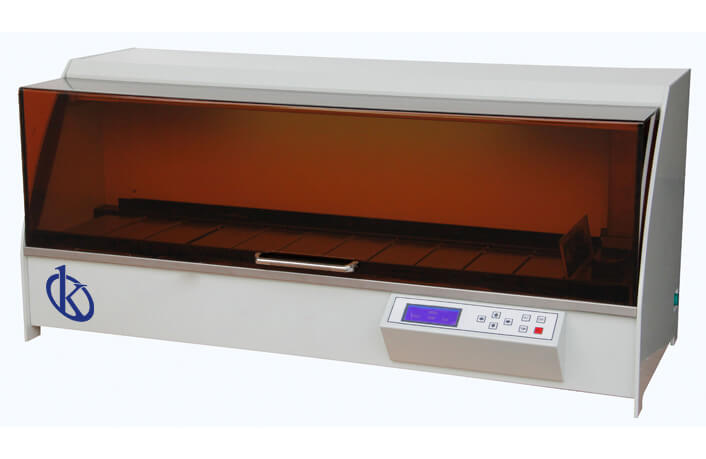
Tissue processors are essential in pathological anatomy, aiding in the preparation of biological samples for examination. This article explores the return on investment (ROI) and cost-benefit analysis related to different models of tissue processors available in the market. By analyzing various models, including the Automated Fabric Processor YR431-1, YR436-2, YR427, YR428, YR429, and YR431, laboratories can make informed decisions that not only streamline their operations but also enhance their financial viability.
Understanding ROI in Tissue Processors
ROI is a critical metric for laboratories when evaluating new equipment purchases. It is essential to understand how the initial capital expenditure (CAPEX) translates into operational savings and efficiency gains. Calculating the ROI involves assessing both the tangible and intangible benefits that stem from the use of tissue processors. Tangible benefits often include reduced processing times, improved sample quality, and decreased reagent consumption.
In the context of tissue processors, laboratories can achieve significant savings through effective operational management and by selecting the right model that fits their specific needs. Each model comes with different processing capacities, features, and cost implications that can influence the overall ROI.
Factors Influencing Cost-Benefit Analysis
When evaluating tissue processors, several factors must be taken into account to ensure a comprehensive cost-benefit analysis:
- Initial Purchase Cost: The upfront cost of the tissue processor can vary significantly between models.
- Operating Costs: This includes energy consumption, maintenance, and the cost of reagents used during processing.
- Processing Efficiency: Faster processing times can lead to increased throughput, which directly impacts profitability.
- Quality of Results: Higher quality sections can reduce rework and increase overall satisfaction from end-users.
Comparison of Available Models
| Model | CAPEX (USD) | Cost per Test | Payback (months) | Recommended Scenario |
|---|---|---|---|---|
| YR431-1 | 11000.00 | Variable | 24 | Medium to large laboratories |
| YR436-2 | 4400.00 | Variable | 18 | Cost-sensitive labs |
| YR427 | 2600.00 | Variable | 12 | Small labs |
| YR428 | 2900.00 | Variable | 15 | Small to medium labs |
| YR429 | 3300.00 | Variable | 20 | Medium labs focusing on quality |
| YR431 | 4000.00 | Variable | 22 | Medium-scale operations |
Common Mistakes and How to Avoid Them
Choosing a tissue processor involves critical decision-making. Common mistakes include:
- Overlooking Total Cost of Ownership: Focusing solely on the purchase price can lead to higher long-term costs. Ensure to analyze maintenance and operational expenses.
- Ignoring Processing Capacity: Selecting a model that does not meet throughput needs can bottleneck operations.
- Neglecting Quality Standards: Ensure that the selected model aligns with the laboratory's quality requirements and standards.
- Failure to Train Staff: Adequate training is crucial to maximize the benefits of the new equipment.
Maximizing Energy Efficiency in Tissue Processing
Energy consumption is a significant factor in the cost-benefit analysis of tissue processors. Models like YR431-1 with advanced temperature control help minimize energy use while maintaining effective processing. Implementing energy-efficient practices, such as optimal scheduling and maintenance, can further decrease operational costs while improving output.
Implementing a Preventive Maintenance Schedule
Regular maintenance is crucial to ensure longevity and reliability in tissue processors. Setting up a preventive maintenance schedule helps avoid unexpected downtime, thereby saving costs in the long run. Each model, like the YR429, has specific maintenance requirements which should be documented and followed meticulously.
Frequently Asked Questions
How does the purchase price of a tissue processor affect laboratory ROI?
The purchase price of a tissue processor, such as the YR431-1, significantly impacts laboratory ROI. While a lower initial cost might seem attractive, it's essential to consider the total ownership costs, including maintenance and reagents, which can affect overall profitability.
What are the operating costs associated with tissue processors?
Operating costs for tissue processors involve energy consumption, reagent costs, and maintenance. For example, models like YR427 may offer lower purchase costs but require careful evaluation of ongoing expenses to ensure a positive ROI.
Which tissue processor is best for small laboratories focusing on cost efficiency?
The YR427 is an excellent choice for small laboratories due to its low initial cost of $2600. Its economical design helps in achieving cost efficiency while maintaining necessary processing capabilities.
What is the average payback period for tissue processors in laboratories?
The average payback period for tissue processors varies; for instance, the YR436-2 has a payback period of around 18 months. This is influenced by initial investment, operational savings, and increased throughput.
How can I optimize reagent usage in tissue processors?
Optimizing reagent usage involves selecting models with adjustable settings like the YR431-1, which allows for fine-tuning of processing times and temperatures. This ensures minimal waste and cost savings in the long run.
What maintenance practices can enhance the longevity of tissue processors?
Implementing a preventive maintenance plan is crucial for longevity. Regular inspection and cleaning of models such as the YR429 can prevent issues and ensure optimal performance, reducing unexpected costs.
How do tissue processors impact sample quality in pathology?
The quality of samples processed in tissue processors significantly affects diagnostic outcomes. Models like YR428 enhance section quality through advanced temperature control, ensuring laboratories meet high-quality standards.
What are the key features to consider in a tissue processor for ROI?
Key features for maximizing ROI in a tissue processor include processing capacity, energy efficiency, ease of maintenance, and operational cost. For instance, the YR431-1 combines high capacity and advanced controls to enhance ROI.
If you are looking for a fusion of innovation and quality, you have come to the right place. At Kalstein, we offer you the luxury of exploring our exclusive catalog of laboratory equipment. We manufacture every device to the highest standards of excellence. Our intuitive and seamless online purchasing channels are designed for your convenience, securing the most competitive prices. Hesitate no longer — we bring science to life, it is time to become part of our community.