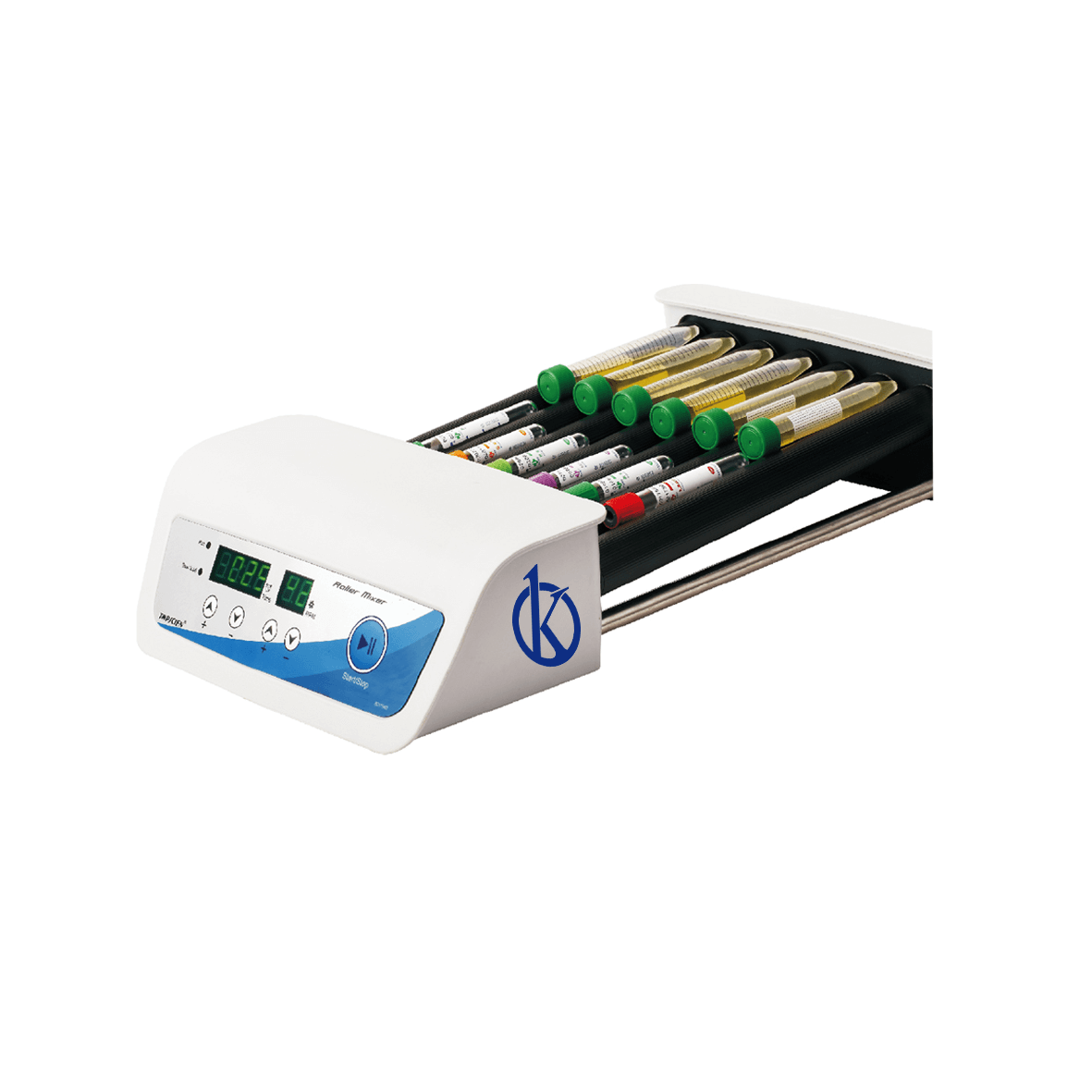
Understanding Measurement Interpretation and Results Reading with the YR05762 Roller Mixer
The YR05762 Roller Mixer is designed to provide smooth yet highly efficient rocking and rolling movements, essential for effectively mixing blood samples, viscous substances, and liquid-solid suspensions. This article delves into the interpretation of results and reading measurements specific to the YR05762, ensuring operators can maximize their outcomes through precise understanding and techniques.
Technical Specifications of the YR05762
| Model | YR05762 |
|---|---|
| Speed | Adjustable, 10-99 rpm ±10% |
| Movement | Simultaneous rocking and rolling ±5% |
| Operating Temperature | 4°C – 40°C |
| Electrical | 80-230V, 50-60Hz, 50W |
Significance of Accurate Measurements with YR05762
Accurate measurements are critical in any laboratory setting. The YR05762 Roller Mixer is designed to mix samples uniformly, which directly affects the reliability of experimental results. The efficient mixing provided by the YR05762 reduces the likelihood of inconsistencies in sample preparation, which is crucial in high-stakes environments such as clinical and research laboratories.
When interpreting results from the YR05762, it is essential to understand how the mixer’s design influences measurement outcomes. For instance, the adjustable speed settings (10-99 rpm) allow users to tailor mixing intensity based on sample viscosity and volume, ensuring optimal mixing without risking sample integrity.
Reading the Display and Understanding Measurements
The YR05762 features a digital display that shows the speed and time settings. Understanding how to read this display is vital for operators to ensure they are using the mixer effectively. Operators should familiarize themselves with the display layout, noting that speed is measured in revolutions per minute (rpm) and time is typically displayed in hours and minutes.
Correctly interpreting these readings can prevent errors in measurement. For example, setting the mixer to a speed that is too high for a viscous sample may lead to splattering, while a speed that is too low may not achieve the necessary homogeneity. Operators must adjust parameters according to sample requirements and validate the settings before commencing operations.
Common Misinterpretations and Troubleshooting
Operators may encounter common issues when interpreting measurements from the YR05762. One frequent misconception is that the mixer’s speed directly correlates to mixing efficiency. However, other factors, such as sample type and volume, must also be considered.
If measurements appear inconsistent or unexpected, users should troubleshoot the following:
- Check the sample viscosity and adjust speed accordingly.
- Ensure that the mixer is leveled properly on the surface to prevent errors in mixing.
- Validate that the power supply meets the specified electrical requirements.
Symptom-Cause-Solution Matrix
| Symptom | Probable Cause | Solution |
|---|---|---|
| Inconsistent readings | Improper speed setting | Adjust speed based on viscosity. |
| Display errors | Electrical fluctuations | Check power supply and connections. |
| Overheating | Excessive operational time | Allow cooler periods between uses. |
Best Practices for Measurement Interpretation
To ensure accurate interpretation of results obtained from the YR05762, consider the following best practices:
- Always calibrate the mixer before use, confirming that it operates within the specified speed ranges.
- Maintain a thorough record of settings used for each sample to establish patterns and improve consistency.
- Regularly clean the mixer to prevent cross-contamination, which can skew results.
- Educate all personnel on the importance of correct measurement techniques and interpretation.
Frequently Asked Questions
How can I ensure the accuracy of measurements taken with the YR05762?
To ensure accuracy, calibrate the mixer regularly, adjust speed settings according to sample viscosity, and maintain a clean working environment.
What are the ideal mixing conditions for different sample types using the YR05762?
Viscous samples require lower speeds for thorough mixing, while less viscous samples may be efficiently mixed at higher speeds. Always consult guidelines for specific sample requirements.
How do I interpret error codes displayed on the YR05762?
Error codes on the display indicate specific issues. Refer to the user manual for a comprehensive list of codes and their meanings, along with recommended actions.
What maintenance practices enhance the lifespan of the YR05762 Roller Mixer?
Regular cleaning, calibration, and adherence to operational guidelines will enhance the mixer’s lifespan. It is crucial to check electrical connections and ensure proper storage after use.
Is there a specific training required for operating the YR05762?
While no formal training is required, operators should familiarize themselves with the user manual and receive hands-on instruction on best practices for using the mixer.
What types of samples are best suited for the YR05762?
The YR05762 is ideal for blood samples, viscous substances, and liquid-solid suspensions across a variety of laboratory settings.
If you are looking for a fusion of innovation and quality, you have come to the right place. At Kalstein, we offer you the luxury of exploring our exclusive catalog of laboratory equipment. We manufacture every device to the highest standards of excellence. Our intuitive and seamless online purchasing channels are designed for your convenience, securing the most competitive prices. Hesitate no longer — we bring science to life, it is time to become part of our community.