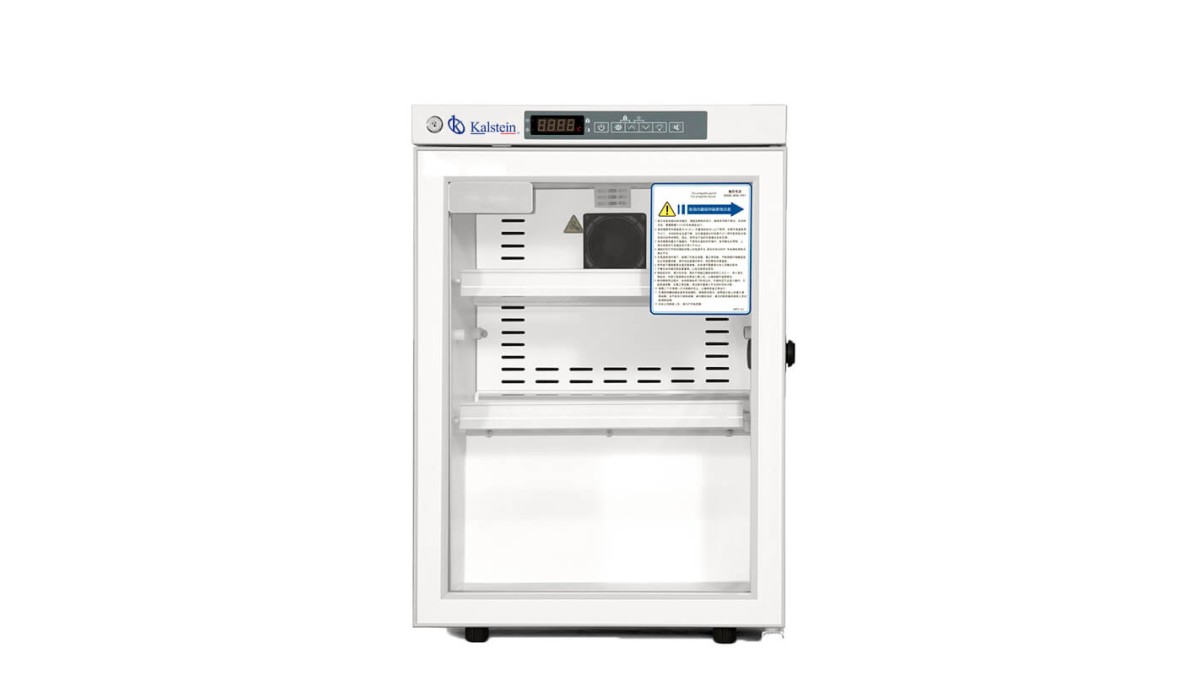
Medical Refrigerators: Practical Applications and Techniques 2026
In the field of clinical and hospital laboratories, medical refrigerators play a critical role in preserving sensitive materials that require stable temperature conditions. From storing vaccines to biological samples, understanding how to effectively utilize medical refrigerators is essential for laboratory professionals. This article delves into the practical applications, techniques, and best practices for using medical refrigerators in 2026.
What is it used for in 2026
Medical refrigerators are specifically designed to store temperature-sensitive products, including pharmaceuticals, vaccines, and biological samples. In 2026, the use of medical refrigerators has expanded to accommodate the latest developments in the healthcare sector, ensuring that critical materials are preserved at optimal temperatures.
History and evolution of the technology
The technology behind medical refrigerators has evolved significantly over the years. Early refrigerators relied on basic mechanical cooling systems, while modern units incorporate advanced electronic controls and alarm systems to monitor temperature fluctuations accurately. This evolution has improved the reliability and efficiency of medical refrigerators, making them indispensable in laboratory settings.
How to use it step by step
Using a medical refrigerator effectively involves a series of steps:
- Preparation: Ensure the refrigerator is properly installed and leveled. Check that the interior is clean and free from contaminants.
- Temperature Setting: Set the desired temperature range according to the materials being stored. Most medical refrigerators operate within a range of 2°C to 8°C.
- Loading Samples: Place items inside the refrigerator, ensuring they have adequate space for air circulation. Avoid overloading the unit.
- Monitoring: Regularly monitor the internal temperature using the digital display. Pay attention to alarm notifications for any temperature deviations.
- Record Keeping: Maintain a log of temperature readings to ensure compliance with storage protocols.
Best techniques and protocols
To maximize the effectiveness of medical refrigerators, follow these best techniques and protocols:
- Use calibrated thermometers to verify the accuracy of built-in temperature displays.
- Implement a routine maintenance schedule that includes cleaning and inspecting the refrigeration unit.
- Utilize insulated containers for storing particularly sensitive materials to further regulate temperature fluctuations.
- Ensure that staff is trained on proper loading techniques to maintain airflow.
Practical applications by laboratory type
Different types of laboratories utilize medical refrigerators based on their specific needs:
Clinical Laboratories:
In clinical settings, refrigerators are essential for storing blood samples, plasma, and vaccines. The need for reliable temperature control is critical for sample integrity.
Research Laboratories:
Research facilities often require medical refrigerators for storing reagents and biological samples. The ability to monitor temperatures accurately ensures the validity of research results.
Pharmaceutical Companies:
Pharmaceutical manufacturers rely on medical refrigerators to store raw materials and finished products, particularly those requiring strict temperature control.
Regulations, standards and certifications
Medical refrigerators must comply with several regulations and standards to guarantee safety and effectiveness. These include:
- Good Manufacturing Practice (GMP)
- ISO 13485 for medical devices
- National Institute of Standards and Technology (NIST) guidelines
- Local health regulations regarding laboratory equipment
Comparison with alternative technologies
When considering storage solutions for temperature-sensitive materials, medical refrigerators have advantages over traditional refrigerators:
- Precision: Medical refrigerators maintain stricter temperature controls compared to standard units.
- Alarm Systems: Medical units are equipped with alarms for temperature deviations and power failures, ensuring continuous monitoring.
- Design: Designed specifically for medical applications, these refrigerators offer features tailored to laboratory needs.
Comparison of available models
| Model | Best for | Key specs | Recommended use case |
|---|---|---|---|
| YR05083 | General medical storage | Temperature Range: 2-8°C, Energy Consumption: 0.84 kWh/24h | Storing lab samples and vaccines |
| YR05085 | Pharmaceuticals | Temperature Range: 2-8°C, Energy Consumption: 3.97 kWh/24h | Storing sensitive pharmaceutical products |
| YR05086 | High-capacity storage | Temperature Range: 2-8°C, Energy Consumption: 5.75 kWh/24h | Bulky items requiring refrigeration |
| YR05087 | Reliable medical storage | Temperature Range: 2-8°C, Energy Consumption: 6.23 kWh/24h | High-demand clinical environments |
| YR05286-1 | Pharmacy applications | Temperature Range: 2-8°C, Volume: 656L | Pharmaceutical and laboratory use |
| YR05288 | Vaccines and biologicals | Temperature Range: 2-8°C, Noise Level: 47dB | Storing vaccines and sensitive biological materials |
Common mistakes and how to avoid them
Laboratory professionals should be aware of common mistakes when using medical refrigerators:
- Overloading: Avoid placing too many items inside, as this restricts airflow and can lead to temperature inconsistencies.
- Ignoring alarms: Always respond to alarm notifications promptly; failure to do so can compromise stored materials.
- Neglecting maintenance: Regular maintenance is crucial for optimal performance; set reminders for cleaning and service checks.
Maintenance, calibration and good practices 2026
To ensure longevity and reliable performance from medical refrigerators, consider the following maintenance practices:
- Perform routine cleaning of the interior and exterior to prevent dust buildup.
- Calibrate temperature sensors at least once a year to ensure accurate readings.
- Check seals and door hinges regularly to maintain energy efficiency.
Cost-benefit analysis 2026
Investing in a medical refrigerator is vital for any laboratory relying on temperature-sensitive products. The upfront costs can be offset by:
- Reducing waste from spoiled materials due to temperature excursions.
- Ensuring compliance with health regulations, avoiding fines.
- Maintaining the integrity of valuable samples, which can lead to more reliable results.
Frequently asked questions
How do I choose the right medical refrigerator for my laboratory?
When selecting a medical refrigerator, consider the specific temperature requirements, storage capacity, and additional features such as alarm systems and monitoring capabilities.
What is the ideal temperature range for storing vaccines?
The ideal temperature range for storing vaccines is typically between 2°C to 8°C to maintain their efficacy.
How often should I calibrate my medical refrigerator?
It is recommended to calibrate the medical refrigerator at least once a year or whenever there are significant temperature fluctuations.
What are the consequences of overloading a medical refrigerator?
Overloading a medical refrigerator can restrict airflow, resulting in uneven temperatures, compromised material integrity, and potential spoilage.
How can I ensure the reliability of my medical refrigerator?
Regular maintenance, including cleaning and calibration, along with prompt attention to alarms, can help ensure the reliability of your medical refrigerator.
Can I use a standard refrigerator for medical storage?
Standard refrigerators lack the precision and features necessary for medical storage, such as alarm systems for temperature deviations, making them unsuitable for sensitive materials.
Where can I find high-quality medical refrigerators?
For high-quality medical refrigerators, you can request a quote on Kalstein Plus for a selection of reliable laboratory equipment.
If you are looking for a fusion of innovation and quality, you have come to the right place. At Kalstein, we offer you the luxury of exploring our exclusive catalog of laboratory equipment. We manufacture every device to the highest standards of excellence. Our intuitive and seamless online purchasing channels are designed for your convenience, securing the most competitive prices. Hesitate no longer — we bring science to life, it is time to become part of our community.