Micro-Spectrophotometers: Practical Applications and Techniques 2026
What is it used for in 2026
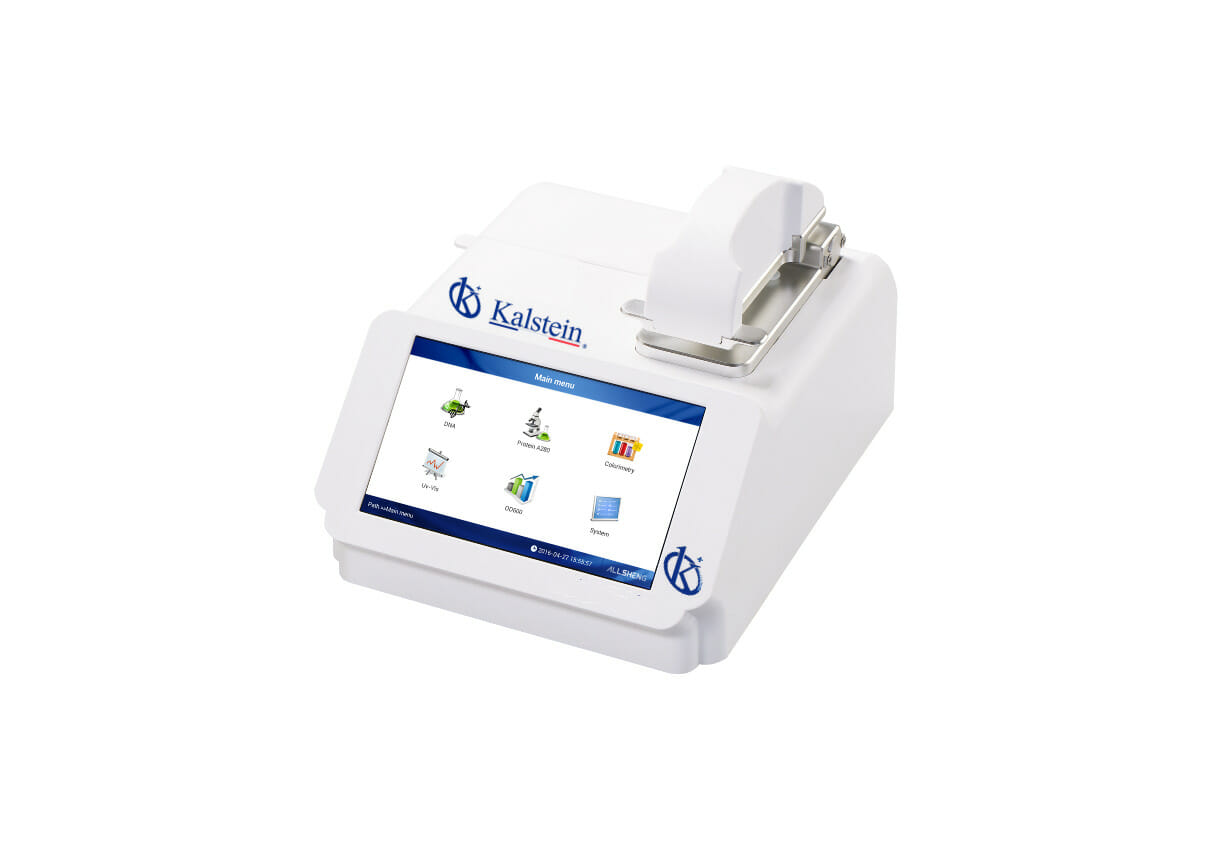
Micro-spectrophotometers are essential instruments in modern laboratories, particularly in clinical and research settings. In 2026, their primary use revolves around the precise measurement of nucleic acids, proteins, and various cellular solutions with minimal sample volume requirements. These instruments are capable of providing accurate absorbance readings across a broad spectrum of wavelengths, thus facilitating various applications, including genetic analysis, protein quantification, and bacterial concentration assessments.
History and evolution of the technology
The advancement of micro-spectrophotometry dates back several decades, evolving from traditional spectrophotometers that required larger sample volumes. The introduction of micro-volume technology has significantly reduced the amount of sample required for analysis, making it feasible to work with precious or limited samples. Over time, features such as LED light sources, touch-screen interfaces, and USB data output have enhanced user experience and operational efficiency, allowing for quicker and more accurate readings.
How to use it step by step
Using a micro-spectrophotometer involves several straightforward steps:
- Preparation: Ensure that the instrument is calibrated and clean. Select the appropriate wavelength for your analysis.
- Sample Loading: For models like YR06033-1 and YR06035, load a minimal volume of sample directly onto the measurement area or use a cuvette if required.
- Measurement: Initiate the measurement process via the touch-screen interface. Record the absorbance readings displayed.
- Data Analysis: Analyze the results, comparing them against standard curves or existing data to determine concentrations or purity.
- Cleaning: After measurements, clean the measurement area to avoid cross-contamination.
Best techniques and protocols
To achieve optimal results with micro-spectrophotometers, consider the following techniques:
- Standard Curves: Establish standard curves for nucleic acids and proteins to ensure accurate quantification.
- Multiple Measurements: Conduct replicate measurements to enhance reliability and decrease variability.
- Calibration: Regularly calibrate the instrument according to the manufacturer’s guidelines to maintain accuracy.
- Proper Sample Handling: Utilize proper pipetting techniques to avoid bubbles and ensure accurate sample loading.
Practical applications by laboratory type
Micro-spectrophotometers find applications in various laboratory types:
- Clinical Laboratories: Used for nucleic acid quantification and purity assessment in molecular diagnostics.
- Research Laboratories: Ideal for protein analysis and enzyme kinetics in biochemical research.
- Educational Institutions: Serve as teaching tools for students to understand spectrophotometric techniques.
Regulations, standards and certifications
Micro-spectrophotometers must comply with relevant regulations and standards such as ISO 15189 for medical laboratories and FDA guidelines for laboratory equipment. Certification of these instruments ensures that they meet quality standards and provide reliable results, essential for clinical applications.
Comparison with alternative technologies
When comparing micro-spectrophotometers with alternative technologies such as traditional spectrophotometers or fluorometers, several factors come into play:
- Sample Volume: Micro-spectrophotometers require significantly less sample volume than traditional spectrophotometers.
- Speed: Faster measurement times are typical with micro-spectrophotometers.
- Versatility: These instruments can measure a wide range of analytes, making them more versatile than dedicated fluorometers.
Comparison of available models
| Model | Best for | Key specs | Recommended use case |
|---|---|---|---|
| YR06033-1 | Nucleic acid and protein quantification | 200-800 nm, 0.5-2 μl sample size | Clinical labs for precise nucleic acid measurements |
| YR06034 | DNA and RNA purity analysis | 260 nm, 1-2 μl sample size | Research labs for nucleic acid quantification |
| YR06035 | Bacterial concentration measurements | 200-800 nm, 0.5-2 μl sample size | Biological research for quick results |
| YR06033 | Comprehensive spectrophotometric analysis | 190-1100 nm, 1 μl sample size | Advanced research for various applications |
Common mistakes and how to avoid them
When using micro-spectrophotometers, several common mistakes can occur:
- Insufficient sample volume: Ensure that the correct sample volume is used to avoid inaccurate readings.
- Not calibrating the instrument: Regular calibration is essential for reliable performance.
- Ignoring cleanliness: Always clean the measurement area to prevent contamination.
Maintenance, calibration and good practices 2026
Proper maintenance and calibration are crucial for optimal operation:
- Regular Cleaning: Clean all surfaces that come in contact with samples regularly.
- Calibration Schedule: Follow a strict calibration schedule, ideally after every 100 measurements or daily use.
- Record Keeping: Maintain logs of calibration and maintenance activities to ensure compliance and track performance.
Cost-benefit analysis 2026
In 2026, the investment in micro-spectrophotometers is justified by their versatility, speed, and accuracy. The reduced sample volume not only conserves valuable reagents but also diminishes overall operational costs. This equipment's reliability in producing consistent results can lead to enhanced productivity and improved research outcomes, thus providing a strong return on investment.
Frequently asked questions
What should I consider when choosing a micro-spectrophotometer?
Consider the specific applications you need it for, the required wavelength range, the minimum sample volume, and additional features such as data output options and user interface design. Choosing a model that meets your laboratory's needs is crucial.
How do I ensure accurate measurements with a micro-spectrophotometer?
To ensure accuracy, calibrate the instrument regularly, use appropriate standards for your measurements, and follow best practices for sample handling and loading. Additionally, performing multiple readings and using average values can enhance reliability.
Can micro-spectrophotometers be used for proteins?
Yes, micro-spectrophotometers are effective for protein concentration measurements and purity assessments, especially when using specific wavelengths for absorption, typically at 280 nm for proteins.
What are the common applications in clinical settings?
In clinical laboratories, micro-spectrophotometers are commonly used for nucleic acid quantification in DNA/RNA extraction processes, as well as purity assessment to ensure the quality of samples before further testing.
How often should I perform maintenance on my micro-spectrophotometer?
Regular maintenance should be performed based on usage frequency. A typical schedule includes daily cleaning and calibration after a certain number of measurements, along with routine checks of the hardware and software.
What is the typical lifespan of a micro-spectrophotometer?
The typical lifespan can vary depending on usage and maintenance, but with proper care, a micro-spectrophotometer can last for many years, often exceeding a decade.
If you are looking for a fusion of innovation and quality, you have come to the right place. At Kalstein, we offer you the luxury of exploring our exclusive catalog of laboratory equipment. We manufacture every device to the highest standards of excellence. Our intuitive and seamless online purchasing channels are designed for your convenience, securing the most competitive prices. Hesitate no longer — we bring science to life, it is time to become part of our community.