Microtome Series: Best Techniques and Protocols in 2026
What is it used for in 2026
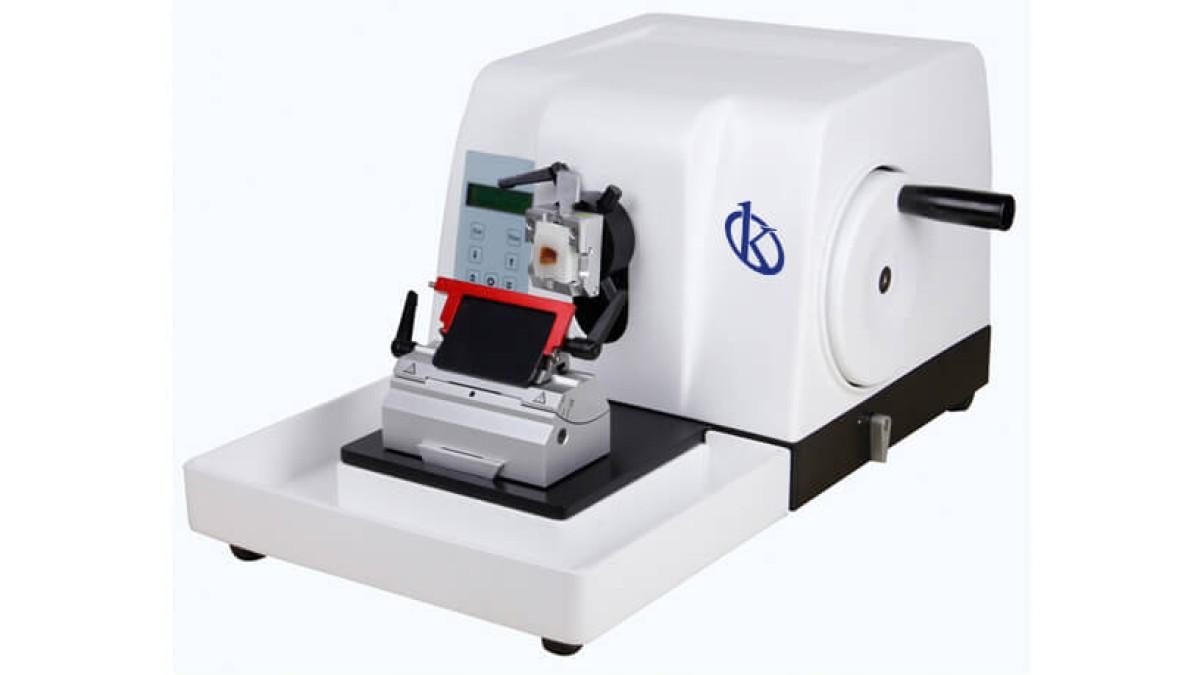
The microtome series is primarily used in histology and pathology labs for cutting thin sections of tissue samples for microscopic examination. In 2026, these devices are especially essential for ensuring high-quality, reproducible samples necessary for accurate diagnosis and research. They facilitate various applications such as:
- Preparation of samples for histological analysis.
- Ensuring uniformity in sample thickness for reliable results.
- Enabling the production of high-quality slides for educational and research purposes.
History and evolution of the technology
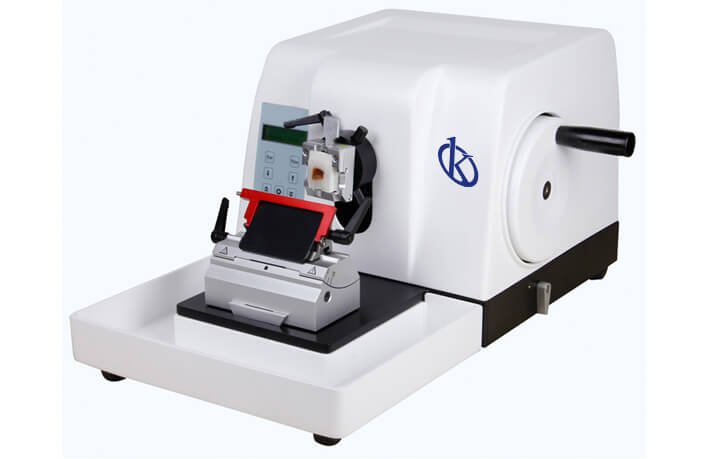
The microtome has evolved significantly since its inception in the 19th century. Originally a manual device, advancements have led to the development of semi-automatic and fully automatic models that enhance precision and efficiency. The semi-automatic rotary microtome models, such as YR416 and YR417, integrate high-precision mechanics to minimize user error and improve reproducibility. In 2026, we see a strong focus on ergonomic design, user-friendly interfaces, and advanced safety features that make these devices indispensable in modern laboratories.
How to use it step by step
To ensure proper use of a microtome, follow these steps:
- Preparation of the Sample: Ensure your sample is adequately fixed, dehydrated, and embedded in paraffin or resin.
- Setting Up the Microtome: Adjust the microtome settings according to the required section thickness.
- Positioning the Sample: Securely mount the prepared sample in the microtome's sample holder.
- Cutting the Sections: Activate the microtome to begin slicing the sample. Adjust as necessary for fine or coarse adjustments.
- Collecting the Sections: Carefully collect the sections using a brush or water bath to prevent damage.
- Staining and Mounting: Stain the sections as required and mount on slides for microscopic examination.
Best techniques and protocols
In 2026, the following best practices are recommended for effective microtome usage:
- Maintain a clean workspace to prevent contamination of the samples.
- Regularly calibrate and maintain the microtome to ensure precision.
- Utilize appropriate blades for different tissues to enhance cutting quality.
- Implement safety protocols to minimize risks associated with blade handling.
Practical applications by laboratory type
Microtomes find their application across various types of laboratories:
- Clinical Laboratories: Used for preparing biopsy samples for diagnosis.
- Research Laboratories: Essential in studies involving tissue engineering and histological research.
- Educational Institutions: Used for teaching histology and pathology students about tissue preparation.
Regulations, standards and certifications
Microtomes must comply with laboratory quality standards such as:
- ISO 13485 for medical devices.
- Good Laboratory Practice (GLP) guidelines.
- FDA regulations for clinical laboratory equipment.
Comparison with alternative technologies
While microtomes are the standard for thin sectioning, alternative technologies include:
- Cryostats: Useful for cutting frozen specimens.
- Ultramicrotomes: For cutting ultra-thin sections needed for electron microscopy.
Each technology has its unique advantages depending on the nature of the samples and the required thickness.
Comparison of available models
| Model | Best for | Key specs | Recommended use case |
|---|---|---|---|
| YR417-1 | Semi-automatic tissue cutting | Price: $5200.00 | High-volume clinical labs needing efficiency |
| YR416 | Universal applications in histology | Price: $3600.00 | For various tissue types and high precision |
| YR417 | Research and quality assurance | Price: $4000.00 | Flexibility in lab settings needing high-quality cuts |
| YR420 | High-quality continuous sections | Price: $2400.00 | Ideal for histological and pathological use |
| YR421 | High-precision cutting | Price: $2400.00 | Suitable for demanding histology applications |
| YR422 | Reliable and secure cutting | Price: $1200.00 | Budget-friendly option for routine histology |
Common mistakes and how to avoid them
Some common mistakes users make include:
- Improper blade handling: Always follow safety protocols when handling blades.
- Incorrect sample preparation: Ensure proper embedding and fixation to avoid sample damage.
- Neglecting maintenance: Regular maintenance is crucial for achieving consistent results.
Maintenance, calibration and good practices 2026
To maintain optimal performance, consider the following:
- Perform regular calibrations as per manufacturer guidelines.
- Clean the microtome and blades after each use to prevent cross-contamination.
- Store blades properly to maintain sharpness and safety.
Cost-benefit analysis 2026
Investing in a microtome can significantly enhance laboratory efficiency. Although initial costs range from $1200 to $5200, the long-term benefits include:
- Increased productivity due to faster sample processing.
- Higher quality results leading to better diagnostic accuracy.
- Reduced errors and rework costs associated with poorly prepared samples.
Frequently asked questions
What type of microtome is best for a clinical laboratory?
A semi-automatic rotary microtome, like the YR416, is ideal for clinical laboratories due to its versatility and precision in cutting various tissue types.
How often should I calibrate my microtome?
Calibration should be performed regularly, ideally every few months, or more frequently if you notice discrepancies in section thickness.
Can a microtome be used for frozen samples?
While standard microtomes can cut frozen samples, cryostats are more suitable for this purpose as they are specifically designed for frozen tissue.
How do I ensure the safety of my lab when using a microtome?
Implement strict safety protocols, including wearing appropriate personal protective equipment and ensuring proper blade handling to minimize injury risk.
Is maintenance of a microtome difficult?
No, maintenance involves basic cleaning and occasional calibration, which can be done by laboratory staff following the manufacturer's instructions.
What is the cost range for purchasing a microtome?
The cost of microtomes varies widely, typically ranging from $1200 to $5200 depending on the model and features.
If you are looking for a fusion of innovation and quality, you have come to the right place. At Kalstein, we offer you the luxury of exploring our exclusive catalog of laboratory equipment. We manufacture every device to the highest standards of excellence. Our intuitive and seamless online purchasing channels are designed for your convenience, securing the most competitive prices. Hesitate no longer — we bring science to life, it is time to become part of our community.