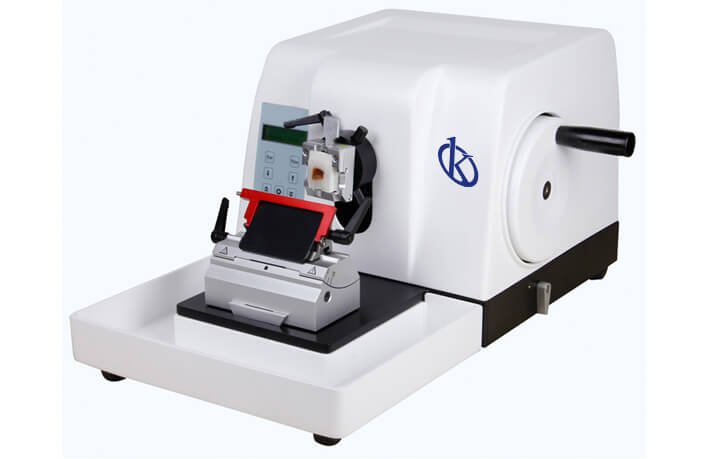
Microtome Series: ISO/IEC Compliance and Regulatory Standards for Laboratories 2026
In the ever-evolving field of laboratory science, compliance with ISO/IEC standards is essential for ensuring the quality and reliability of results. This is particularly true in the use of microtomes, which are critical for producing high-quality tissue sections for pathology and histology. As we approach 2026, understanding how different microtome models meet these regulatory requirements can significantly impact laboratory operations, efficiency, and overall quality assurance.
Importance of ISO/IEC Compliance in Microtome Usage
ISO/IEC standards such as ISO 17025 and ISO 15189 are crucial for laboratories seeking to ensure quality in their operations. Compliance with these standards helps laboratories demonstrate their competence and ensures that they produce reliable and valid results. The choice of microtome can influence compliance, particularly regarding precision, traceability, and operational features.
ISO 17025 and its Relevance to Microtomes
ISO 17025 specifies the general requirements for the competence of testing and calibration laboratories. For microtomes, this includes ensuring that the equipment operates consistently within specified limits, providing traceable measurements, and maintaining proper documentation of operational capabilities. Selecting models like the Semi-automatic rotary microtome YR416 can enhance compliance by delivering precise sectioning capabilities that are crucial for high-quality tissue examination.
ISO 15189: Quality Management in Medical Laboratories
The ISO 15189 standard outlines requirements for quality and competence in medical laboratories. Microtomes must meet certain performance criteria to ensure that they can produce reliable results. For instance, the Microtome Handbook YR417 is designed for versatility in histology, ensuring that it meets high standards essential for compliance and quality management in a clinical setting.
IEC 61010: Safety Requirements for Laboratory Equipment
IEC 61010 provides safety requirements for electrical equipment used in laboratories. Microtome models like the Rotating Microtome YR422 must meet these safety standards to safeguard operator safety while ensuring operational reliability. This is crucial for laboratories that prioritize worker safety alongside compliance.
Regulatory Auditing and Microtome Usage
Regular audits based on ISO/IEC standards are essential in maintaining compliance. Laboratories must adopt a systematic approach to documenting and evaluating the performance of their microtomes. This includes maintaining records of calibration, maintenance, and operational performance which models like the Microtome Handbook YR420 support through their design and operational capabilities.
Traceability in Laboratory Operations
Traceability ensures that results can be traced back to their source, a critical element in laboratory compliance. Microtomes such as the Semi-automatic rotary microtome YR417 feature specifications that facilitate this need by providing precise sectioning that can be documented and verified through laboratory protocols.
Documenting Compliance and Best Practices
Documentation serves as evidence of compliance with ISO/IEC standards. It is essential for laboratories using microtomes to develop standard operating procedures (SOPs) that align with these requirements. Models like the Semi-automatic rotary microtome YR416 help laboratories adhere to these SOPs by providing consistent and reliable performance, which is essential for keeping thorough records.
Comparison of Available Models
| Model | ISO/IEC Clauses Covered | Traceability Features | Best For |
|---|---|---|---|
| YR417-1 | ISO 17025 | Precision measurement | General lab use |
| YR416 | ISO 15189 | Documented performance consistency | High-demand environments |
| YR417 | IEC 61010 | Safety compliance | Histology labs |
| YR420 | ISO 17025 | Calibration records | Pathological analysis |
| YR421 | ISO 15189 | Quality control protocols | Research labs |
| YR422 | IEC 61010 | Operational safety | Clinical testing |
Common Mistakes and How to Avoid Them
One common mistake laboratories make is underestimating the importance of compliance documentation. It’s crucial to maintain records of all operational procedures, calibrations, and maintenance of microtomes. Failing to do so can lead to non-compliance during audits. Additionally, selecting a microtome based solely on price rather than its compliance features can compromise laboratory standards. Models like the YR416, while slightly higher in price, deliver long-term value through compliance and quality.
Frequently Asked Questions
How can I ensure my microtome meets ISO/IEC standards in 2026?
To ensure compliance, choose models like the Semi-automatic rotary microtome YR416, which supports operational precision and traceability essential for ISO/IEC standards. Regular audits and maintaining proper documentation will further secure compliance.
What are the traceability features of the Microtome Handbook YR417?
The Microtome Handbook YR417 provides precise sectioning capabilities that help maintain records of operational outputs, essential for traceability and compliance with ISO 17025, making it ideal for histology labs.
Which microtome is best for high-demand labs focusing on compliance?
The Semi-automatic rotary microtome YR416 is best suited for high-demand environments due to its reliable performance and compliance with ISO 15189, ensuring quality in medical laboratories.
How does IEC 61010 affect microtome selection in laboratories?
IEC 61010 affects microtome selection by ensuring that models like the Rotating Microtome YR422 adhere to safety requirements, thus protecting operators while maintaining quality in laboratory operations.
What are the operational advantages of using YR420 for compliance?
The YR420 microtome offers advanced calibration records and operational features that align with ISO 17025, ensuring compliance and quality in pathological analysis and laboratory testing.
Why is documentation crucial for microtome compliance in laboratories?
Documentation is crucial as it serves as evidence of compliance with ISO/IEC standards. Maintaining thorough records for models like the Semi-automatic rotary microtome YR417 ensures consistent operational excellence.
What are the best practices for maintaining microtome compliance?
Best practices include regular calibration, detailed record-keeping, and choosing compliant models like the Microtome Handbook YR421, which ensures adherence to ISO 15189 standards.
How does the microtome model influence laboratory regulatory compliance?
The choice of microtome directly influences compliance. Models like the Semi-automatic rotary microtome YR416 are designed with features that enhance precision and traceability, crucial for meeting ISO/IEC requirements.
If you are looking for a fusion of innovation and quality, you have come to the right place. At Kalstein, we offer you the luxury of exploring our exclusive catalog of laboratory equipment. We manufacture every device to the highest standards of excellence. Our intuitive and seamless online purchasing channels are designed for your convenience, securing the most competitive prices. Hesitate no longer — we bring science to life, it is time to become part of our community.