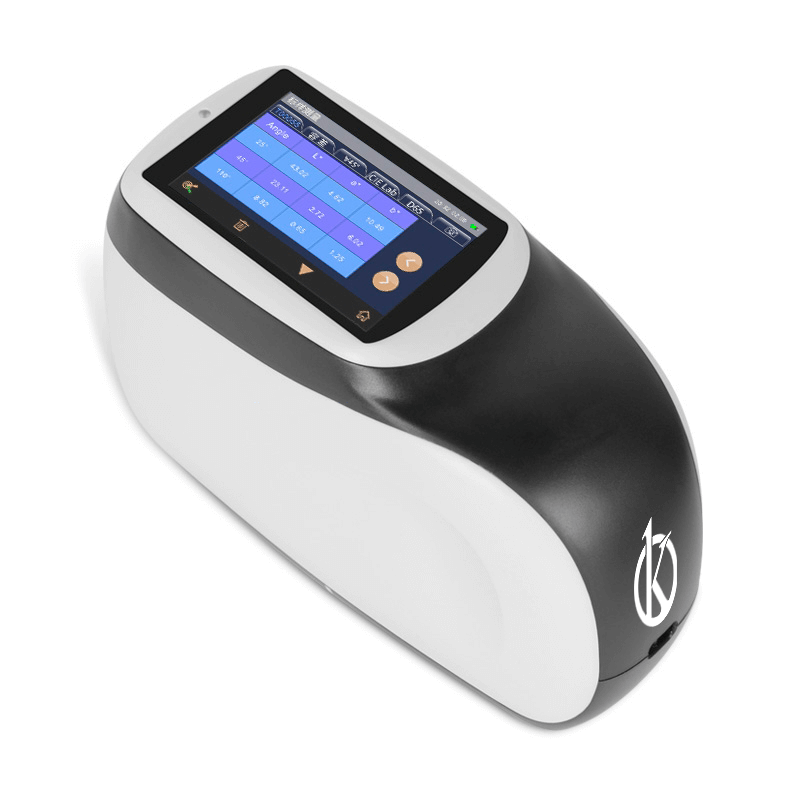
Multi Angles Spectrophotometers: Practical Applications and Techniques 2026
What is it used for in 2026
Multi Angles Spectrophotometers are sophisticated instruments utilized for measuring color differences and absorption in various materials across multiple angles. In 2026, their applications span several fields, including research, biotechnology, and academia, where precise color measurement is critical. These instruments are particularly valuable for assessing color variations in coatings, plastics, textiles, and other materials, ensuring quality control and compliance with industry standards.
History and evolution of the technology
The technology of spectrophotometry has advanced significantly since its inception. Initially, spectrophotometers were simple devices measuring color at a single angle. Over time, the introduction of multi-angle capabilities allowed for more complex analyses, improving accuracy in color measurement. The development of digital sensors and advanced optical systems has further enhanced performance, making modern multi angles spectrophotometers indispensable in scientific laboratories.
How to use it step by step
- Preparation: Ensure the spectrophotometer is calibrated and clean. Select the appropriate measurement angles based on your sample's characteristics.
- Sample Placement: Position the sample securely in the measurement chamber, ensuring it is free from dust or contaminants.
- Measurement Settings: Choose the settings on the device according to the sample type and desired analysis.
- Initiate Measurement: Start the measurement process, allowing the device to collect data from the specified angles.
- Data Analysis: After measurement, analyze the data using the software provided, comparing against known standards.
- Documentation: Record results and observations for future reference or reporting.
Best techniques and protocols
To ensure accurate results, follow these best practices: establish consistent lighting conditions, adhere to standard operating procedures (SOPs), and use reference samples to calibrate the device. It is also essential to conduct regular maintenance checks and calibrations to uphold measurement accuracy.
Practical applications by laboratory type
In research laboratories, multi angles spectrophotometers are used for detailed color analysis in materials science. In biotechnology labs, they assist in evaluating biomaterials and coatings. Academic institutions utilize these instruments for teaching purposes, demonstrating principles of colorimetry and analytical techniques.
Regulations, standards and certifications
Multi angles spectrophotometers must comply with various industry standards, including ASTM D 2244, E 308, ISO 7724, and others. These standards ensure that the measurements taken are reliable and comparable across different laboratories, facilitating regulatory compliance and quality assurance in research and industrial applications.
Comparison with alternative technologies
While traditional spectrophotometers measure color at a single angle, multi angles spectrophotometers provide comprehensive data by measuring color from various angles. This capability is vital for materials that exhibit multiple color variations, unlike alternative technologies that may not capture the same level of detail.
Comparison of available models
| Model | Best for | Key specs | Recommended use case |
|---|---|---|---|
| YR05491 | Comprehensive color analysis | 8 measurement angles, $8730.00 | Ideal for evaluating color differences in curved surfaces. |
| YR05492 | High precision measurements | 12 measurement angles, $13492.00 | Best for detailed color assessment in industrial applications. |
| YR05488 | Basic color measurement | 3 measurement angles, $2857.00 | Suitable for simple color comparisons in small labs. |
| YR05489 | Versatile applications | 5 measurement angles, $4762.00 | Good for various color studies across different materials. |
| YR05490 | Consistent quality control | 3 measurement angles, $6032.00 | Effective for maintaining color standards in manufacturing. |
Common mistakes and how to avoid them
Common mistakes include improper calibration, inconsistent sample placement, and overlooking environmental factors like lighting. To avoid these issues, establish routine calibration schedules, ensure proper training for operators, and maintain a controlled environment during measurements.
Maintenance, calibration and good practices 2026
Regular maintenance of multi angles spectrophotometers includes cleaning optical components and updating software. Calibration should be performed according to manufacturer recommendations, utilizing certified color standards. Adhering to these practices ensures longevity and performance accuracy.
Cost-benefit analysis 2026
Investing in a multi angles spectrophotometer can yield significant returns in terms of improved measurement accuracy and efficiency. While initial costs may be high, the ability to produce reliable data enhances product quality and reduces the risk of costly errors in production and research.
Frequently asked questions
What factors should I consider when choosing a multi angles spectrophotometer?
Consider the range of measurement angles, the type of samples you will analyze, the required precision, and your budget. Additionally, examine the software capabilities for data analysis and reporting.
How can I ensure accurate measurements with a multi angles spectrophotometer?
To ensure accuracy, regularly calibrate the instrument, use consistent sample placement, and control environmental factors such as lighting during measurements.
What types of materials can be analyzed with multi angles spectrophotometers?
The devices can analyze a wide range of materials, including paints, coatings, textiles, plastics, and biological samples. Each material may require specific settings for optimal results.
Can multi angles spectrophotometers be used for field applications?
While primarily designed for laboratory use, some portable models can be adapted for field applications, allowing for on-site color measurements.
How often should maintenance be performed on these instruments?
Regular maintenance should be scheduled based on usage frequency, typically every six months to ensure optimal performance and accurate measurements.
Are there any specific training requirements for operators?
Operators should undergo training on the specific model's operation, calibration procedures, and data interpretation to maximize the instrument's capabilities.
For more information or to request a quote, please reach out to our sales team.
If you are looking for a fusion of innovation and quality, you have come to the right place. At Kalstein, we offer you the luxury of exploring our exclusive catalog of laboratory equipment. We manufacture every device to the highest standards of excellence. Our intuitive and seamless online purchasing channels are designed for your convenience, securing the most competitive prices. Hesitate no longer — we bring science to life, it is time to become part of our community.