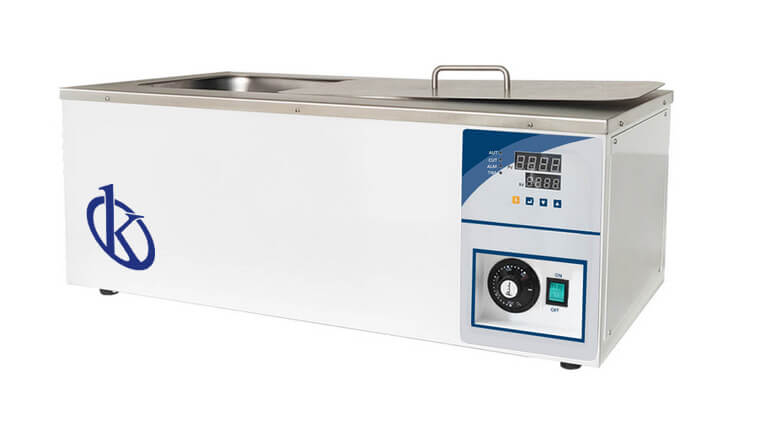
Oil Baths: Practical Applications and Techniques 2026
Oil baths are essential instruments in various laboratory settings, offering precise temperature control for a range of applications. From biotechnological research to academia, understanding how to utilize these devices effectively can enhance experimental outcomes. In this article, we will explore the uses, techniques, and best practices regarding oil baths in 2026.
What is it used for in 2026
Oil baths are widely used in laboratories for tasks that require stable heating environments. Their primary applications include:
- Maintaining consistent temperatures during chemical reactions.
- Conducting experiments that require controlled heating in fields such as bioengineering and chemistry.
- Utilizing dual functions with water and oil for more versatile heating solutions.
- Facilitating procedures in food technology and industry inspections.
History and evolution of the technology
The development of oil baths can be traced back to the need for precise temperature control in laboratory settings. Initially, simple methods involving sand or water heating were used, but the evolution of electronic temperature controllers has significantly improved the efficiency and reliability of oil baths. These advancements have led to the integration of microcomputer control systems, allowing for rapid temperature increases and stable settings.
How to use it step by step
- Choose the Right Model: Select an oil bath model that fits your specific needs, such as YR04973, YR04974, YR04975, or YR04976.
- Prepare the Equipment: Ensure that the oil bath is clean and free of contaminants.
- Fill the Bath: Add the appropriate heating oil or water to the bath, following the manufacturer's instructions regarding the volume.
- Set Temperature: Use the PID controller to set the desired temperature, keeping in mind the range of your chosen model.
- Monitor Conditions: Regularly check temperature fluctuations and ensure that the alarms for overcurrent and over-temperature are operational.
- Conduct Experiments: Place your samples in the bath and initiate the experiment, making sure to record relevant data for analysis.
- Post-Experiment Cleanup: After use, clean the bath thoroughly to maintain its functionality and prevent contamination.
Best techniques and protocols
To achieve optimal results when using oil baths, consider the following techniques:
- Utilize a calibrated thermometer to ensure accurate readings.
- Regularly maintain and calibrate your equipment to avoid discrepancies in temperature.
- Follow standardized protocols for specific applications to ensure consistency in experimental results.
- Implement safety measures, including using protective gear and ensuring the workspace is ventilated.
Practical applications by laboratory type
Different laboratory environments utilize oil baths for various applications:
- Biotechnology Laboratories: Used for enzyme reactions and protein denaturation studies.
- Pharmaceutical Labs: Essential for drug formulation tests and stability studies.
- Academic Research: Ideal for teaching and demonstrating thermodynamic principles.
- Food Industry: Employed in quality control for consistency in product temperatures.
Regulations, standards and certifications
Laboratories must comply with various regulations regarding equipment safety and accuracy. Key standards include:
- ISO 9001 for quality management systems.
- ISO 17025 for testing and calibration laboratories.
- Good Laboratory Practice (GLP) guidelines for maintaining quality in laboratory operations.
Comparison with alternative technologies
While oil baths are popular, other heating technologies include:
- Water Baths: Offer less precision compared to oil baths, especially in higher temperature applications.
- Dry Baths: Provide a more portable option but may lack versatility in heating capacities.
- Heating Mantles: Suitable for specific applications but can be less user-friendly than oil baths.
Comparison of available models
| Model | Best for | Key specs | Recommended use case |
|---|---|---|---|
| YR04973 | General laboratory heating | 1000W, RT +5~250°C | Routine experiments needing stable temperatures |
| YR04974 | Food industry testing | 1200W, RT +5~250°C | Quality control for food products |
| YR04975 | Biotechnology research | 1600W, RT +5~250°C | Protein studies and enzymatic reactions |
| YR04976 | Pharmaceutical applications | 2000W, RT +5~250°C | Drug formulation and stability testing |
Common mistakes and how to avoid them
When using oil baths, laboratory professionals often encounter several common mistakes:
- Overfilling the bath: This can lead to spills and contamination. Always follow filling guidelines.
- Neglecting calibration: Regular calibration is essential for accurate results.
- Ignoring safety precautions: Always wear appropriate PPE and ensure proper ventilation during experiments.
Maintenance, calibration and good practices 2026
To ensure longevity and reliability of oil baths, implement the following maintenance practices:
- Calibrate temperature sensors regularly according to the manufacturer's recommendations.
- Clean the bath after each use to prevent residue buildup.
- Check for oil leaks and replace seals as necessary to maintain efficiency.
Cost-benefit analysis 2026
Investing in oil baths can yield significant returns for laboratories:
- Initial Costs: Prices vary by model, typically ranging from $150 to $250.
- Operational Efficiency: Improved accuracy can reduce experimental failures, saving time and resources.
- Versatility: The ability to use oil baths for multiple applications enhances their value.
Frequently asked questions
What temperature range is suitable for oil baths?
The typical temperature range for oil baths is from room temperature (RT) to 250°C, depending on the model.
How do I ensure the accuracy of my oil bath?
Regular calibration of the temperature sensors and using reliable thermometers can help ensure accuracy.
Can I use an oil bath for water-based experiments?
Yes, certain models allow for dual operation with both oil and water, providing versatility in experiments.
What are the safety concerns with oil baths?
Key safety concerns include the risk of overheating, oil spills, and ensuring proper ventilation during use.
How often should I maintain my oil bath?
Regular maintenance should occur after each use, with deep cleaning and calibration performed regularly, depending on the usage frequency.
What is the best practice for setting up an oil bath?
Follow the manufacturer's guidelines for setup, choose the appropriate model, and ensure proper filling and calibration before use.
If you are looking for a fusion of innovation and quality, you have come to the right place. At Kalstein, we offer you the luxury of exploring our exclusive catalog of laboratory equipment. We manufacture every device to the highest standards of excellence. Our intuitive and seamless online purchasing channels are designed for your convenience, securing the most competitive prices. Hesitate no longer — we bring science to life, it is time to become part of our community.