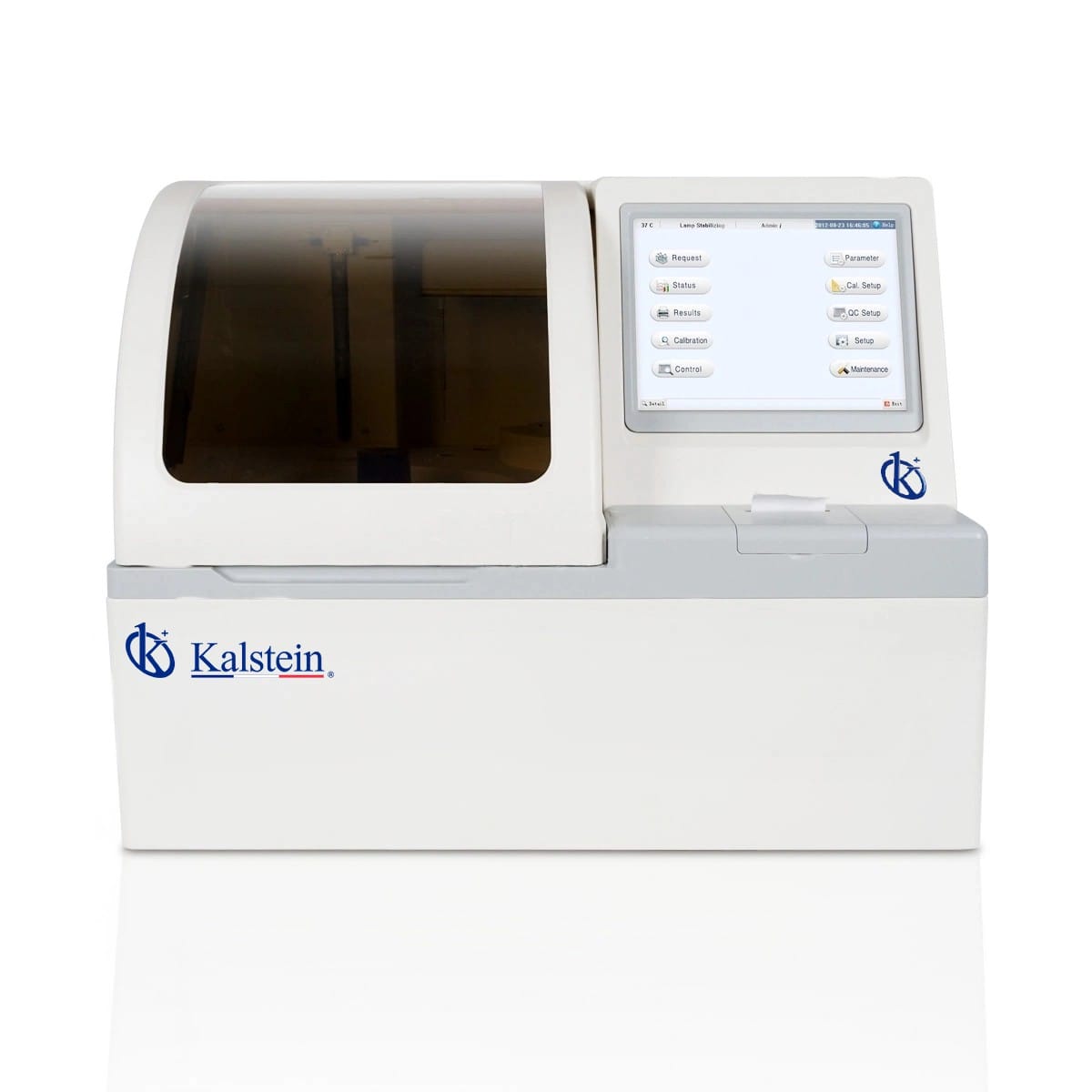
How to Optimize Data Flow Integration with LIMS in Veterinary Chemistry Analyzers?
As veterinary laboratories increasingly adopt advanced technology, the integration of Laboratory Information Management Systems (LIMS) with veterinary chemistry analyzers has become pivotal. This integration not only enhances data flow but also streamlines operations, ensuring that laboratories can deliver accurate results efficiently. This article explores various models of veterinary chemistry analyzers while focusing on their compatibility and integration capabilities with LIMS, enabling a seamless digital workflow.
Understanding the Importance of LIMS Integration in Veterinary Chemistry Analyzers
Integrating LIMS with veterinary chemistry analyzers significantly boosts efficiency and accuracy in data management. By automating data entry processes, laboratories can reduce human error, speed up result turnaround times, and improve overall data integrity. Moreover, LIMS can facilitate better data tracking, management, and reporting, which is critical for diagnostics and treatment decisions in veterinary medicine.
Comparison of Available Models
| Model | Connectivity | Protocols Supported | Integration Effort | Best For |
|---|---|---|---|---|
| YR06168 | RS-232, USB | HL7, ASTM | Moderate | High-throughput labs |
| YR06169 | WiFi, USB | REST, Middleware | Easy | Point-of-care settings |
| YR06172 | WiFi | REST | Easy | Mobile applications |
| YR06174 | USB | HL7 | Moderate | ICU and emergency labs |
| YR06077 | USB, RS-232 | LIS2-A2 | Advanced | Comprehensive testing facilities |
Enhancing Workflow Efficiency Through LIMS Integration
Implementing a LIMS connection with veterinary chemistry analyzers can drastically enhance workflow efficiency. For example, the Automatic Veterinary Chemistry Analyzer YR06168 supports multiple animal configurations and boasts a performance of up to 100 tests per hour, making it ideal for high-volume labs. Its open reagent system can be seamlessly integrated into a LIMS, allowing for improved tracking of test results and reagent usage.
Best Practices for Data Flow Optimization in Veterinary Laboratories
To optimize data flow, veterinary laboratories should consider the following best practices: ensure streamlined data entry processes, leverage real-time data transmission protocols like HL7 or ASTM, and customize LIMS settings to align with analyzer capabilities. For instance, the Portable Veterinary Chemistry Analyzer YR06169 can generate results in approximately 10 minutes, making it crucial for rapid diagnosis when integrated with a responsive LIMS.
Common Mistakes and How to Avoid Them
One common mistake in the integration of veterinary chemistry analyzers with LIMS is underestimating the training required for staff. Without proper training, personnel may mismanage the system, leading to data inaccuracies. Laboratories should ensure comprehensive training sessions on both the analyzer and LIMS functionalities. Additionally, regular updates and maintenance checks on the systems are vital to avoid compatibility issues.
How Each Model Addresses Integration Challenges
Each model presents unique integration options that cater to various laboratory settings. The Quantitative Veterinary Immunofluorescence Analyzer YR06172, for example, provides wireless data transmission, making it a strong candidate for mobile applications where immediate results are required. On the other hand, the Blood Gas and Electrolyte Analyzer YR06174 offers a user-friendly interface that can facilitate easier integration with existing LIMS infrastructures.
Frequently asked questions
What are the key features of the YR06168 model for LIMS integration?
The Automatic Veterinary Chemistry Analyzer YR06168 features an open reagent system and supports multiple preset animal configurations, making it suitable for high-throughput laboratories. Its connectivity options allow seamless integration with LIMS via USB and RS-232 protocols, enhancing data management efficiency.
How does the YR06169 model improve data flow in veterinary labs?
The Portable Veterinary Chemistry Analyzer YR06169 utilizes a touchscreen interface and supports rapid result generation in about 10 minutes. Its capabilities for LIMS integration via WiFi facilitate immediate access to results, improving decision-making speed in veterinary care.
Which features make YR06172 ideal for mobile laboratory settings?
The YR06172 model is lightweight and equipped with a large-capacity battery that supports up to two hours of operation. Its wireless connectivity and data transmission capabilities enable effective use in mobile laboratory settings, where quick results are crucial.
What integration protocols are supported by YR06174?
The Blood Gas and Electrolyte Analyzer YR06174 supports HL7 protocol for data sharing, allowing it to work efficiently with various LIMS. This integration aids in quick retrieval and management of patient data, vital for clinical decision-making in veterinary emergency scenarios.
How do laboratories ensure seamless integration of analyzers with LIMS?
To ensure seamless integration, laboratories should select models like YR06077, which offers advanced connectivity options and customizable settings. Additionally, performing regular compatibility checks and staff training on both analyzer and LIMS functionalities is critical for effective utilization.
What are the benefits of using USB connectivity for LIMS integration?
USB connectivity, as seen in models like YR06077, offers straightforward integration with existing systems, facilitating the transfer of data to LIMS without extensive modifications. This simple setup enhances data accuracy and reduces the chances of errors during data entry processes.
How does LIMS integration impact result turnaround times?
Integrating LIMS with analyzers like YR06168 allows for automated data entry and result processing, significantly reducing manual workload. This automation can lead to quicker turnaround times for test results, improving the responsiveness of veterinary care.
Why is user training essential for successful LIMS integration?
User training is vital as it ensures that staff can efficiently navigate both the veterinary chemistry analyzer and the LIMS. Proper training minimizes the risk of errors during data entry and enhances the overall effectiveness of the integration, leading to better patient outcomes.
If you are looking for a fusion of innovation and quality, you have come to the right place. At Kalstein, we offer you the luxury of exploring our exclusive catalog of laboratory equipment. We manufacture every device to the highest standards of excellence. Our intuitive and seamless online purchasing channels are designed for your convenience, securing the most competitive prices. Hesitate no longer — we bring science to life, it is time to become part of our community.