How to Optimize Data Flow Integration Between Veterinary Laparoscopy Systems and LIMS?
The integration of Veterinary Laparoscopy Systems with Laboratory Information Management Systems (LIMS) marks a significant advancement in the field of veterinary surgical procedures. Effective data flow is crucial for enhancing operational efficiency, ensuring compliance with standards, and improving patient outcomes. This article delves into best practices for leveraging veterinary laparoscopy systems within a digital framework, focusing on various models and their respective capabilities.
Understanding the Importance of LIMS Integration
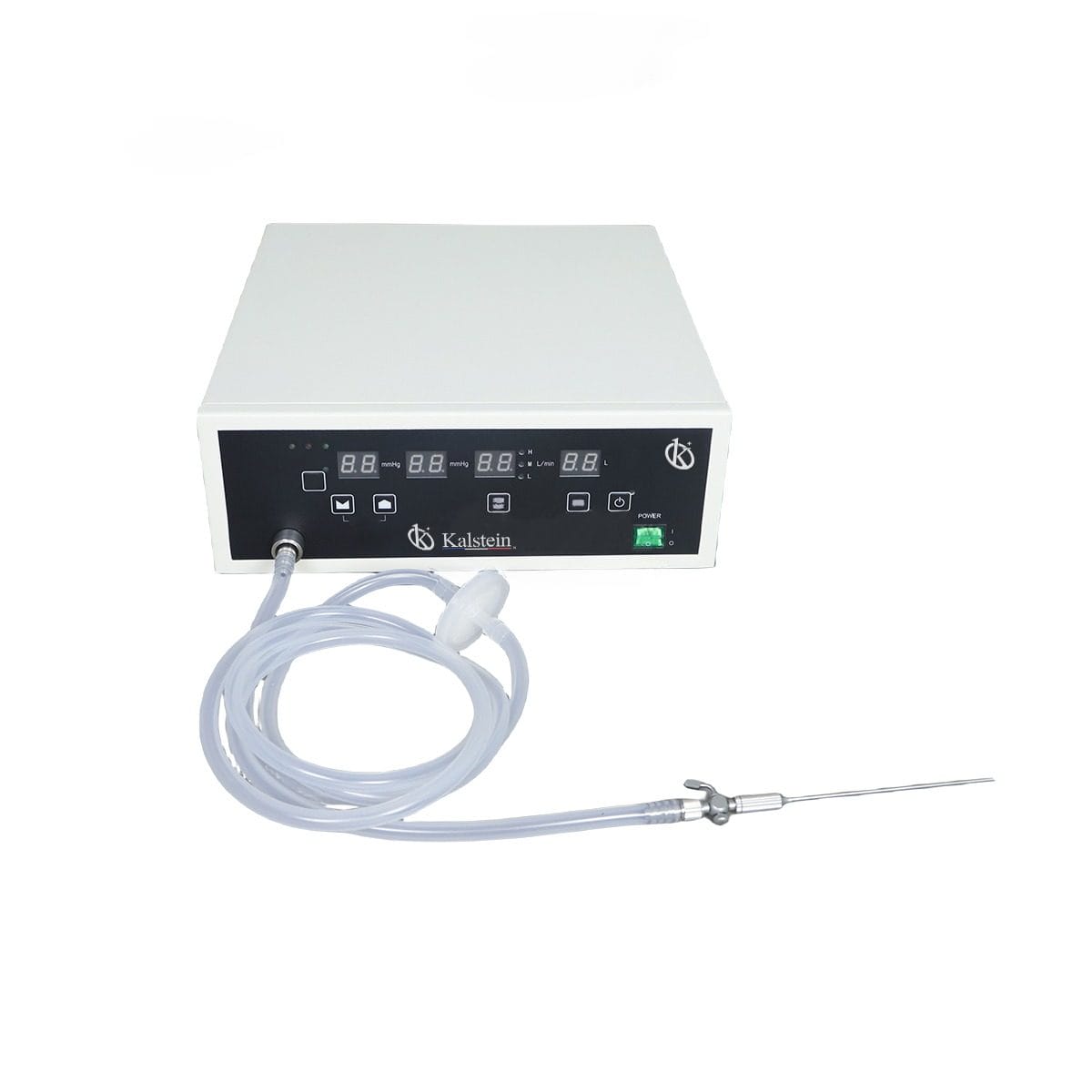
LIMS integration plays a pivotal role in the modern veterinary practice, particularly in managing the complex workflows associated with laparoscopic surgeries. By facilitating the seamless transfer of data between various equipment and systems, it enhances the overall quality of care provided to animals. Integrating systems like the Veterinary CO2 Insufflator YR06157 and YR06158 with LIMS can streamline surgical processes and improve data accuracy.
Key Benefits of LIMS Integration with Veterinary Laparoscopy Systems
Integrating LIMS with veterinary laparoscopy systems provides numerous benefits, including enhanced data accuracy, improved workflow efficiency, and better compliance with regulations. For instance, the Mobile High-Definition Endoscopic Imaging System YR06156 offers a compact solution that can be easily integrated with LIMS, allowing for real-time data capture and analysis during surgeries.
Comparative Analysis of Available Models
| Model | Connectivity | Protocols Supported | Integration Effort | Best For |
|---|---|---|---|---|
| YR06157 | USB, Ethernet | HL7, REST | Moderate | Small animal surgeries |
| YR06156 | Wireless, HDMI | ASTM, DICOM | Low | High-definition imaging |
| YR06158 | Ethernet | HL7, ASTM | High | Large animal surgeries |
Common Mistakes and How to Avoid Them
Integrating veterinary laparoscopic systems with LIMS can be fraught with challenges. One common mistake is neglecting the compatibility of protocols. It is essential to ensure that the systems support common protocols like HL7 or ASTM to facilitate smooth data exchange. Additionally, underestimating the training needs of personnel can lead to operational inefficiencies. Providing adequate training will ensure that staff can effectively utilize both laparoscopy systems and LIMS.
Best Practices for Successful Integration
Having a clear plan for integration is key to success. Start by assessing the compatibility of your veterinary laparoscopy systems, such as the YR06157 and YR06158, with your existing LIMS. Consider using middleware or APIs to bridge any gaps. Further, establishing performance metrics can help in evaluating the success of the integration. Regularly review these metrics to adapt and optimize the system as needed.
Data Sovereignty and Compliance Considerations
Data sovereignty is a critical factor in veterinary practices, particularly when integrating laparoscopic systems with LIMS. It is vital to ensure that all data handling complies with local regulations. Utilizing systems such as the YR06156 can assist with compliance through secure, high-definition imaging capabilities, preserving the integrity of patient data during and after procedures.
Challenges in Maintaining Data Flow
Maintaining a consistent data flow between veterinary laparoscopy systems and LIMS can present challenges, such as network outages or equipment failures. It is vital to implement a robust backup solution and establish redundancy in network connections to minimize disruption. Regular maintenance checks on systems like the Veterinary CO2 Insufflator YR06157 can also help prevent unforeseen downtimes.
What to Expect from Future Developments
The future of veterinary laparoscopy systems looks promising, with advancements in technology expected to enhance integration capabilities. Innovations in artificial intelligence and machine learning could lead to better data analysis and decision-making support within LIMS. This evolution signifies a shift towards more interconnected veterinary practices that utilize data to improve surgical outcomes.
Frequently Asked Questions
How can I integrate a Veterinary Laparoscopy System with LIMS effectively?
To integrate a Veterinary Laparoscopy System like YR06158 with LIMS, assess the compatibility of protocols such as HL7 and use middleware if necessary. Establish clear data transfer protocols and ensure staff is trained on using both systems efficiently.
What are the common challenges faced when integrating veterinary systems with LIMS?
Common challenges include ensuring protocol compatibility, unexpected network outages, and insufficient staff training. For example, integrating the YR06156 may require a thorough review of existing infrastructure to avoid these issues.
Which protocols are essential for Veterinary Laparoscopy Systems and LIMS integration?
Protocols such as HL7 and ASTM are essential for effective integration of Veterinary Laparoscopy Systems with LIMS. These protocols facilitate seamless data exchange, ensuring that systems like YR06157 operate efficiently together.
How does the Veterinary CO2 Insufflator YR06157 assist in compliance with data regulations?
The Veterinary CO2 Insufflator YR06157 supports compliance by ensuring that all data collected during surgical procedures is accurately captured and securely transmitted to LIMS, maintaining data integrity and compliance with local regulations.
What training is necessary for staff when integrating veterinary systems with LIMS?
Staff should receive training on using both the Veterinary Laparoscopy Systems and LIMS, including understanding data protocols, troubleshooting common issues, and the operational features of models like YR06156 and YR06158.
What are the costs associated with integrating a LIMS with a Veterinary Laparoscopy System?
The costs can vary depending on the system and integration complexity. For instance, integrating a model like YR06158 may involve costs related to middleware, training, and equipment adjustments, which should be estimated upfront during planning.
How can I ensure data sovereignty in integrating veterinary laparoscopy systems with LIMS?
To ensure data sovereignty, verify that all data handling complies with local regulations and implement secure data transfer protocols. Using trusted systems like YR06156 can enhance data security during integration.
What future technologies can enhance Veterinary Laparoscopy System integrations with LIMS?
Future advancements may include AI and machine learning technologies that enhance data analysis capabilities in LIMS, improving decision-making processes during veterinary surgeries using systems like the Veterinary CO2 Insufflator YR06158.
If you are looking for a fusion of innovation and quality, you have come to the right place. At Kalstein, we offer you the luxury of exploring our exclusive catalog of laboratory equipment. We manufacture every device to the highest standards of excellence. Our intuitive and seamless online purchasing channels are designed for your convenience, securing the most competitive prices. Hesitate no longer — we bring science to life, it is time to become part of our community.