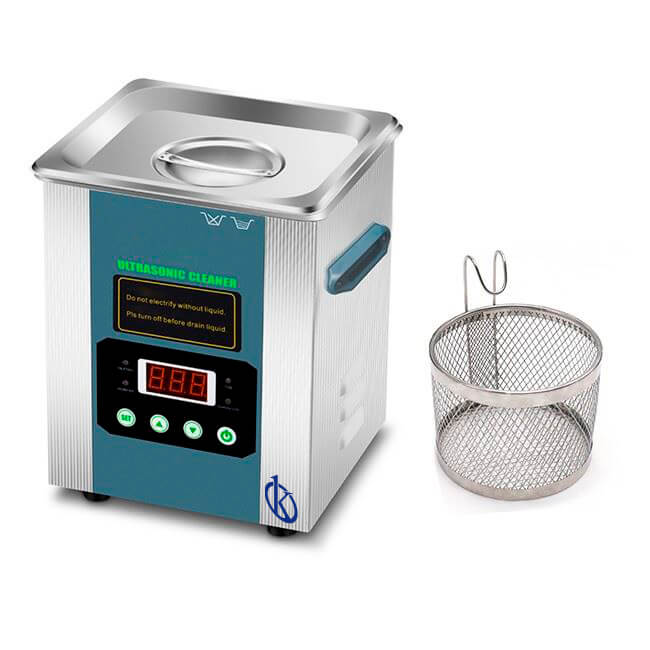
How to Optimize Data Flow with LIMS Integration in Digital Display Ultrasonic Cleaners
In today's fast-paced laboratory environments, integrating Digital Display Ultrasonic Cleaners (DPUCs) with Laboratory Information Management Systems (LIMS) has become indispensable. Such integrations streamline the data flow, ensuring enhanced operational efficiency, compliance, and optimal use of resources. This article delves deep into the significance of LIMS integration for digital display ultrasonic cleaners, exploring notable models and their applications.
Understanding LIMS Integration in Ultrasonic Cleaning
The integration of LIMS with ultrasonic cleaners facilitates the seamless transfer of data, tracking of cleaning processes, and compliance with regulatory standards. By automating these processes, laboratories can minimize errors, enhance traceability, and optimize workflow. Digital Display Ultrasonic Cleaners such as the YR05208 and YR05209 exemplify how these systems can be effectively utilized within a LIMS framework.
Benefits of LIMS Integration
LIMS integration in digital ultrasonic cleaners offers numerous benefits, including:
- Data Accuracy: Automated data entry reduces human error.
- Traceability: All cleaning processes can be logged for compliance purposes.
- Improved Workflow: Integrating cleaning protocols with sample tracking streamlines laboratory operations.
- Resource Management: Efficient use of cleaning solutions and time management is enhanced.
Key Features of Digital Display Ultrasonic Cleaners
Before discussing LIMS integration in detail, it's essential to understand the specific features of the models being analyzed:
- YR05208: This model is compact and features a digital display for easy operation, making it ideal for small to medium-sized laboratories. It is particularly useful for cleaning jewelry and electronic components.
- YR05209: As a versatile and user-friendly model, it supports both cleaning and heating functions, making it suitable for general laboratory use.
- YR05212: This stainless steel ultrasonic cleaner is equipped with a heating function and is designed for larger cleaning jobs, ideal for complex laboratory applications.
- YR05213: Similar to YR05212, but with a larger capacity, making it fit for extensive cleaning tasks.
- YR05214: Offers advanced cleaning capabilities with a robust design suited for industrial applications.
- YR05215: The largest model in this series, it is tailored for high-volume cleaning operations.
Comparison of Available Models
| Model | Tank Capacity (L) | Power (W) | Heating Function | Best For |
|---|---|---|---|---|
| YR05208 | 2 | 70 | No | Jewelry and electronic parts |
| YR05209 | 2 | 70 | Yes | General laboratory cleaning |
| YR05212 | 4.5 | 180 | Yes | Complex cleaning tasks |
| YR05213 | 6.8 | 180 | Yes | Large volume cleaning |
| YR05214 | 11 | 240 | Yes | Industrial applications |
| YR05215 | 15 | 360 | Yes | High volume cleaning |
Integrating LIMS with Digital Display Ultrasonic Cleaners
Integration requires a comprehensive understanding of both systems. The following protocols typically facilitate the integration process:
- RESTful APIs: These allow for seamless communication between the ultrasonic cleaner and the LIMS.
- Middleware Solutions: Middleware can bridge the gap between different systems, ensuring data synchronization.
- Custom Scripts: Tailored scripts can automate data entry and management processes.
For instance, when using the YR05212, a laboratory can set defined cleaning protocols that trigger data entry into the LIMS automatically, ensuring compliance and traceability.
Common Mistakes and How to Avoid Them
The integration of LIMS with ultrasonic cleaners is not without challenges. Common pitfalls include:
- Lack of Training: Ensure all personnel are trained in both systems to avoid errors.
- Underestimating Data Management Needs: Plan for data storage and retrieval needs upfront.
- Ignoring Compliance Standards: Always align cleaning procedures with relevant standards (like ISO 17025).
Frequently Asked Questions
How does LIMS integration improve efficiency for digital display ultrasonic cleaners?
LIMS integration enables the automation of data entry and process tracking for digital display ultrasonic cleaners like the YR05209. This not only minimizes human error but also enhances workflow efficiency by allowing real-time monitoring and reporting of cleaning procedures.
What are the common connectivity protocols for integrating ultrasonic cleaners with LIMS?
Common connectivity protocols include RESTful APIs and ASTM, which can be effectively employed to integrate models like YR05212 into a LIMS, ensuring seamless data transfer and operational efficiency.
Which ultrasonic cleaner model is best for small laboratory settings?
The YR05208 is ideal for small laboratory settings due to its compact size and affordability. Its digital display makes it user-friendly, and its integration capabilities with LIMS enhance data management effectively.
What compliance standards can be met with ultrasonic cleaners integrated into LIMS?
Models like the YR05214 can help meet compliance standards such as ISO 17025, facilitating rigorous data tracking and reporting essential for maintaining quality in laboratory operations.
How does ultrasonic cleaning technology ensure effective cleaning for laboratory equipment?
Ultrasonic cleaning technology utilizes high-frequency sound waves to create microscopic bubbles that effectively remove contaminants from surfaces. This method is particularly effective when integrated with digital display ultrasonic cleaners like the YR05209.
What financial benefits can be realized through integrating LIMS with ultrasonic cleaners?
Integrating LIMS with ultrasonic cleaners can significantly reduce operational costs by optimizing resource use and minimizing wastage. For instance, effective cleaning protocols can lead to a lower consumption of cleaning agents and water, ultimately saving money.
How can I ensure proper calibration and maintenance of ultrasonic cleaners in a LIMS?
Regular calibration and maintenance schedules must be established in LIMS for ultrasonic cleaners like YR05215. This ensures compliance with laboratory standards and prolongs the lifespan of the equipment.
What is the role of middleware in LIMS integration for ultrasonic cleaners?
Middleware acts as a bridge between the ultrasonic cleaners and LIMS, ensuring data synchronization and compatibility. This is crucial when employing models like YR05213 that require extensive data management capabilities.
If you are looking for a fusion of innovation and quality, you have come to the right place. At Kalstein, we offer you the luxury of exploring our exclusive catalog of laboratory equipment. We manufacture every device to the highest standards of excellence. Our intuitive and seamless online purchasing channels are designed for your convenience, securing the most competitive prices. Hesitate no longer — we bring science to life, it is time to become part of our community.