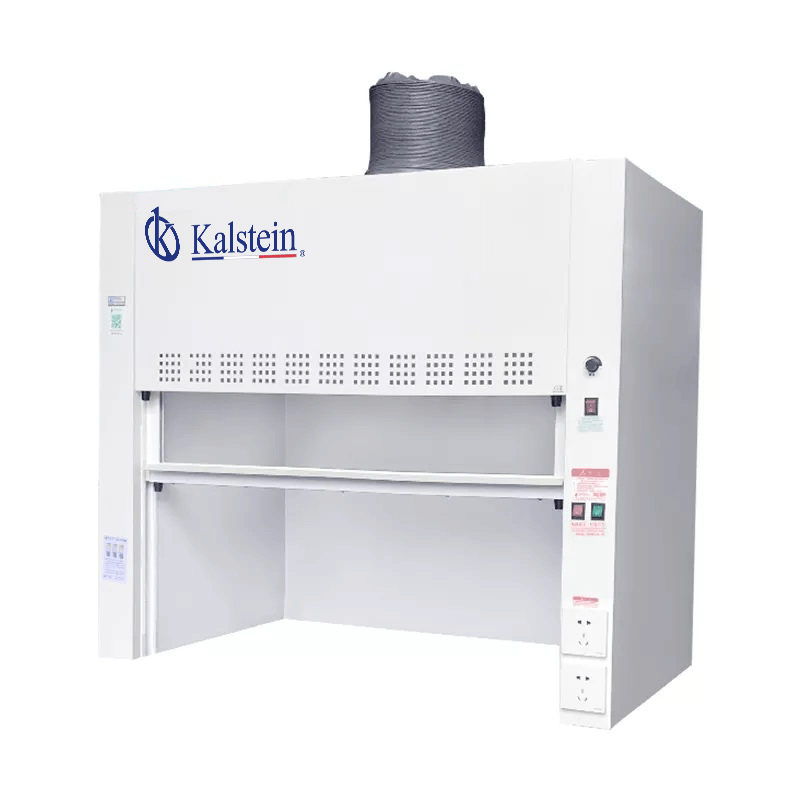
How to Optimize Fume Hood Cabinets for LIMS Integration and Data Digitalization
In the modern laboratory environment, the integration of fume hood cabinets with Laboratory Information Management Systems (LIMS) stands out as a pivotal development. This integration facilitates the digitalization of data flows, enhancing both operational efficiency and compliance with safety regulations. In this article, we will explore the various aspects of optimizing fume hood cabinets for LIMS integration, discuss multiple models available, and provide insights into avoiding common pitfalls.
Understanding Fume Hood Cabinet Integration with LIMS
Fume hood cabinets are essential for ensuring safety in laboratories by protecting personnel from hazardous fumes and vapors. When integrated with LIMS, these cabinets can automate the monitoring of air quality and operational parameters, thus ensuring optimal performance and compliance with standards. This section delves into key features that enhance integration, including real-time monitoring, data logging, and alarm systems.
Key Features for Effective Integration
When selecting fume hood cabinets for LIMS integration, several features should be prioritized:
- Real-Time Monitoring: Ability to continuously track airflow, temperature, and humidity levels.
- Data Logging: Automatic recording of operational data, which can be analyzed for compliance and safety standards.
- Alarm Systems: Alerts for any deviations from preset operational parameters.
These features not only enhance safety but also streamline laboratory workflows.
Comparison of Available Models
| Model | Dimensions (mm) | Price (USD) | Best For |
|---|---|---|---|
| YR05808 | 650 x 650 x 1000 | 390.00 | Basic chemical applications |
| YR05809 | 800 x 650 x 1000 | 420.00 | Medium-scale laboratories |
| YR05810 | 1000 x 650 x 1000 | 470.00 | Increased throughput |
| YR05811 | 1000 x 650 x 1000 | 508.00 | General laboratory use |
| YR05812 | 1500 x 650 x 1000 | 526.00 | Large laboratory settings |
| YR05813 | 800 x 650 x 1900 | 610.00 | High-capacity laboratories |
Common Mistakes and How to Avoid Them
Many laboratories face challenges when integrating fume hood cabinets with LIMS. Common mistakes include:
- Neglecting Training: Ensure all users are trained on the new systems to maximize effectiveness.
- Overlooking Compatibility: Verify that the chosen cabinet model supports necessary protocols.
- Ignoring Maintenance: Regularly check for wear and functionality to maintain safety and compliance.
Data Digitalization Benefits in Fume Hood Usage
Digitalizing data collected from fume hood cabinets allows for better analysis and reporting. Laboratories can track trends over time, enabling proactive measures for safety and efficiency. The integration with LIMS facilitates streamlined report generation and regulatory compliance.
How to Implement LIMS with Fume Hood Cabinets
Implementing LIMS with fume hood cabinets requires careful planning. Key steps include:
- Assess Current Systems: Evaluate existing data management practices and identify gaps.
- Select Compatible Equipment: Choose fume hood cabinets that offer the necessary integration capabilities.
- Test Integration: Run pilot tests to troubleshoot any issues before full deployment.
Best Practices for Using Fume Hood Cabinets
To maximize the benefits of fume hood cabinets in a digitally integrated environment, adhere to these best practices:
- Regular Calibration: Ensure all instruments are calibrated according to standards to maintain accurate readings.
- Routine Maintenance: Schedule regular maintenance checks to prevent malfunctions.
- Documentation: Keep detailed records of all operations, including maintenance and calibration activities.
Frequently Asked Questions
How does LIMS integration enhance fume hood cabinet safety measurements?
LIMS integration enhances fume hood cabinet safety measurements by automating the monitoring of air quality and operational parameters. For example, model YR05810 can log data continuously, ensuring that any deviations trigger alerts, thus promoting a safer working environment.
What are the key dimensions of fume hood cabinets for effective LIMS integration?
Effective LIMS integration in fume hood cabinets typically involves models like YR05812, which has dimensions of 1500 x 650 x 1000 mm. This size allows for adequate workspace while accommodating necessary monitoring equipment and data logging systems.
Which fume hood cabinet is best for high-capacity laboratories integrating LIMS?
The YR05813 model is ideal for high-capacity laboratories. With its larger dimensions and data logging capabilities, it supports efficient LIMS integration, ensuring optimal safety and operational efficiency.
How can I avoid common pitfalls when integrating LIMS with fume hood cabinets?
To avoid pitfalls when integrating LIMS with fume hood cabinets, prioritize proper training for all personnel, select compatible models like the YR05809, and perform regular maintenance checks to ensure all systems function correctly.
What is the cost range for fume hood cabinets that support LIMS integration?
The cost range for fume hood cabinets that support LIMS integration varies, with models like YR05808 priced at $390 and YR05813 at $610. Investing in these cabinets enhances safety and operational efficiency through effective data management.
How can data digitalization improve the use of fume hood cabinets?
Data digitalization improves the use of fume hood cabinets by enabling real-time monitoring and automated reporting. For instance, the YR05811 model integrates well with LIMS, allowing laboratories to track performance metrics and compliance easily.
What maintenance practices should be followed for LIMS-integrated fume hood cabinets?
Maintenance practices for LIMS-integrated fume hood cabinets, such as the YR05810, include routine cleaning, calibration of monitoring instruments, and regular inspections to ensure compliance with safety standards.
How do I choose the right fume hood cabinet for my laboratory’s needs?
To choose the right fume hood cabinet for your laboratory’s needs, assess factors like space availability, required safety features, and compatibility with LIMS. For example, the YR05812 model is suitable for larger labs needing comprehensive data management solutions.
If you are looking for a fusion of innovation and quality, you have come to the right place. At Kalstein, we offer you the luxury of exploring our exclusive catalog of laboratory equipment. We manufacture every device to the highest standards of excellence. Our intuitive and seamless online purchasing channels are designed for your convenience, securing the most competitive prices. Hesitate no longer — we bring science to life, it is time to become part of our community.