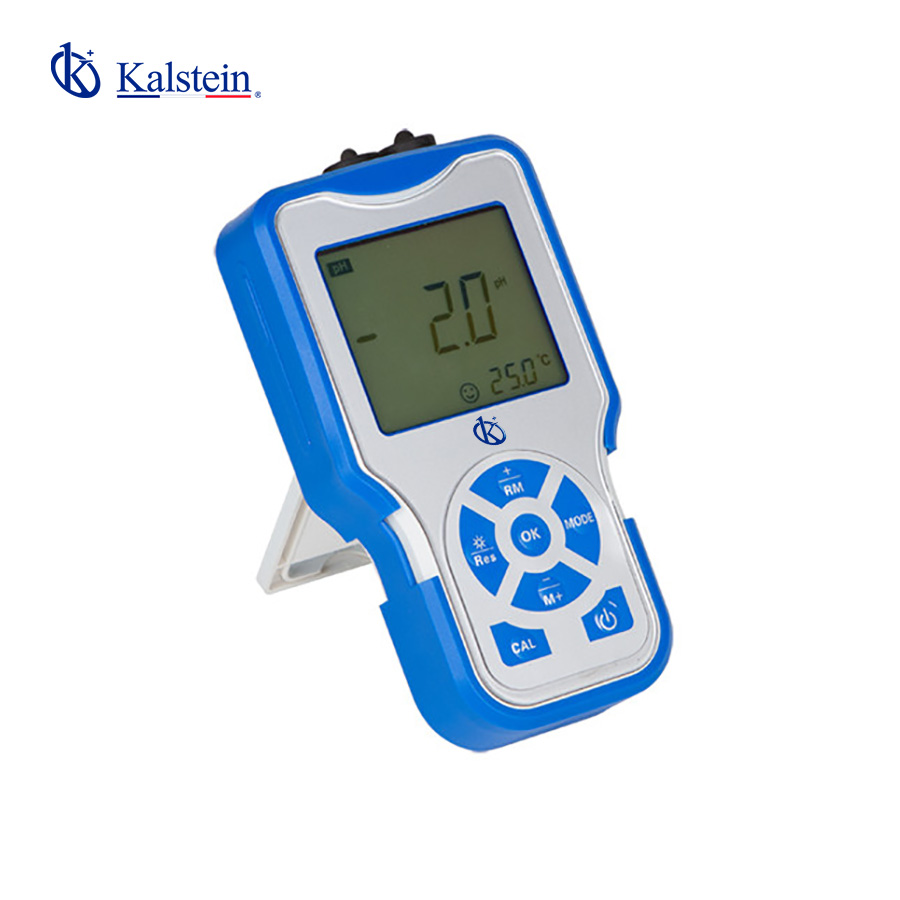
How to Optimize Portable Ion Meters for LIMS Integration and Data Management
In the ever-evolving landscape of laboratory operations, the integration of portable ion meters with Laboratory Information Management Systems (LIMS) is becoming increasingly vital. This integration enhances data accuracy, streamlines workflows, and ultimately leads to better decision-making. This article delves into how laboratory professionals can optimize their portable ion meters for seamless LIMS integration and effective data management.
Understanding Portable Ion Meters and Their Role in Data Management
Portable ion meters are versatile instruments used to measure the concentration of ions in various solutions, offering portability, ease of use, and quick results. These devices are pivotal in numerous applications, including environmental monitoring, food safety testing, and educational laboratories.
As laboratories embrace digital transformation, the demand for efficient data handling increases. The role of portable ion meters extends beyond mere measurement; they must now seamlessly communicate data to LIMS, ensuring that data is recorded accurately, securely, and efficiently.
Key Features to Look for in Portable Ion Meters for LIMS Integration
When selecting portable ion meters, certain features are crucial for optimal LIMS integration. Key considerations include:
- Connectivity Options: Look for devices that support various connectivity protocols such as Bluetooth, USB, or Wi-Fi, allowing for real-time data transfer to LIMS.
- Data Formats: Ensure that the portable ion meter can output data in formats compatible with LIMS, such as CSV or XML.
- Calibration and Accuracy: Models should provide robust calibration options and high accuracy, with automatic adjustments for temperature and other variables to ensure reliable measurements.
Benefits of Integrating Portable Ion Meters with LIMS
Integrating portable ion meters with LIMS offers numerous benefits that enhance laboratory operations:
- Increased Efficiency: Automated data entry reduces manual errors and saves time, allowing laboratory personnel to focus on analysis rather than data handling.
- Real-time Monitoring: Integration allows for real-time monitoring of data, enabling prompt responses to any anomalies detected during testing.
- Better Data Management: LIMS provides a centralized database for all data collected, facilitating easier retrieval and analysis, as well as compliance with regulatory requirements.
Comparison of Available Models
| Model | Connectivity | Calibration Points | Best for | Price (USD) |
|---|---|---|---|---|
| YR01816 | USB, Bluetooth | 2 to 5 points | General ion concentration measurement | 94.00 |
| YR01817-1 | USB, Wi-Fi | 2 to 5 points | Field testing of ammonium ions | 229.00 |
| YR01817-10 | Bluetooth, USB | 2 to 5 points | Outdoor applications for ammonium | 500.00 |
| YR01817-11 | Wi-Fi, USB | 2 to 5 points | High precision ammonium ion measurements | 500.00 |
| YR01817-12 | Bluetooth, USB | 2 to 5 points | Ammonium ion testing in various environments | 500.00 |
| YR01817-13 | Wi-Fi, USB | 2 to 5 points | Portable indoor and outdoor applications | 500.00 |
Common Mistakes and How to Avoid Them
Laboratories often encounter pitfalls during the integration of portable ion meters with LIMS. Here are common mistakes and strategies to avoid them:
- Neglecting Compatibility: Ensure that the selected portable ion meter is compatible with the existing LIMS to prevent workflow disruptions.
- Insufficient Training: Provide adequate training to personnel on both the portable ion meter and LIMS to maximize the benefits of integration.
- Overlooking Data Security: Implement robust data security measures to protect sensitive information collected from measurements.
Best Practices for Effective LIMS Integration
Integrating portable ion meters with LIMS can be complex, but following best practices can facilitate a smoother process:
- Conduct a Needs Assessment: Before integration, assess the laboratory's needs and which features of the portable ion meters are essential.
- Develop a Clear Integration Plan: Outline the steps required for integration, including timelines, responsibilities, and necessary resources.
- Test Integration Thoroughly: Before full deployment, conduct thorough testing to ensure that data flows seamlessly between the portable ion meter and LIMS.
Frequently Asked Questions
How can I ensure my portable ion meter meets LIMS integration requirements?
To ensure your portable ion meter meets LIMS integration requirements, select models like YR01816 and YR01817-1 that offer robust connectivity options and support data formats compatible with your LIMS. This selection guarantees smooth integration and efficient data exchange.
What are the top features of a portable ion meter for LIMS integration?
Top features of a portable ion meter for LIMS integration include multiple connectivity options, calibration flexibility, and high accuracy. Models such as YR01817-11 provide these features, facilitating effective data management and communication with your LIMS.
Which portable ion meter offers the best value for LIMS integration?
For LIMS integration, the YR01817-1 model offers excellent value, priced at $229. It provides essential features like multiple calibration points and USB connectivity, making it suitable for various laboratory applications.
How do I calibrate a portable ion meter for optimal performance?
Calibration of a portable ion meter, such as the YR01816, should involve selecting between 2 to 5 calibration points for accuracy. Follow the manufacturer's guidelines to ensure reliable measurements, essential for effective LIMS integration.
What data management protocols are essential for portable ion meters?
Essential data management protocols for portable ion meters include ensuring compatibility with LIMS data formats like CSV and XML. Choosing models such as YR01817-10 that support these protocols enhances data flow and management in laboratory settings.
How do I choose the right portable ion meter for outdoor applications?
For outdoor applications, select a portable ion meter like the YR01817-1, designed for high precision under varying environmental conditions. Ensure it has features like temperature compensation and a durable design for field use.
Can I connect my portable ion meter to multiple LIMS systems?
Yes, many portable ion meters, including the YR01817-12, can connect to multiple LIMS systems. Ensure compatibility and flexibility in data output formats for effective data management across different systems.
What support options are available for integrating portable ion meters with LIMS?
Support options for integrating portable ion meters with LIMS vary by manufacturer. For instance, Kalstein offers comprehensive support for models like YR01816, including user manuals, training resources, and customer service assistance during the integration process.
If you are looking for a fusion of innovation and quality, you have come to the right place. At Kalstein, we offer you the luxury of exploring our exclusive catalog of laboratory equipment. We manufacture every device to the highest standards of excellence. Our intuitive and seamless online purchasing channels are designed for your convenience, securing the most competitive prices. Hesitate no longer — we bring science to life, it is time to become part of our community.