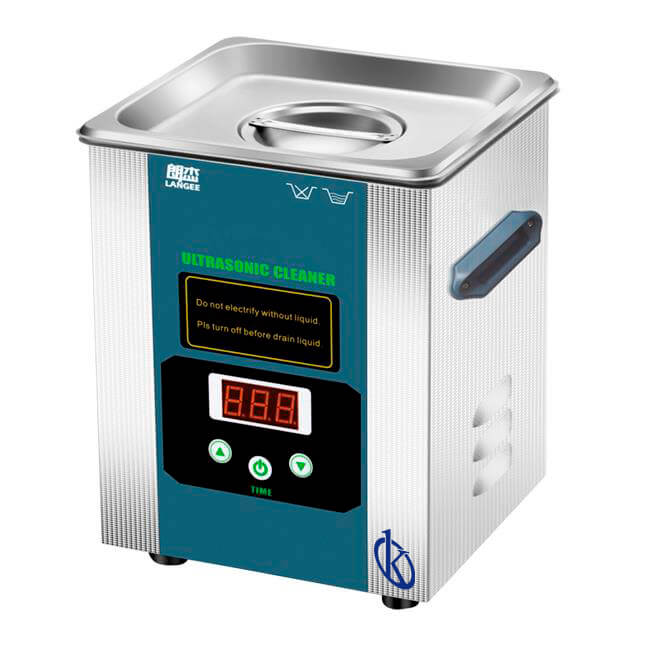
How to Optimize Predictive Maintenance and Calibration for Mechanical Desktop Ultrasonic Cleansers?
In laboratories where precision and cleanliness are paramount, mechanical desktop ultrasonic cleansers have become indispensable tools. These devices employ ultrasonic waves to clean delicate items and intricate components, making them essential in various fields such as jewelry, medical, and industrial applications. However, to ensure their longevity and effectiveness, it is crucial to implement robust predictive maintenance and calibration protocols. This article delves into the specifics of optimizing these processes for mechanical desktop ultrasonic cleansers, focusing on key models including YR05207, YR05202, YR05203, YR05204, YR05205, and YR05206.
Understanding Predictive Maintenance in Ultrasonic Cleansers
Predictive maintenance is a proactive approach that utilizes data analysis tools and techniques to predict equipment failures before they occur. In the context of mechanical desktop ultrasonic cleansers, this involves monitoring their performance, usage patterns, and external factors that may affect their operation. By implementing predictive maintenance, labs can minimize downtime and extend the lifespan of their equipment.
The YR05207 model, for instance, features a microprocessor-controlled system that allows for real-time monitoring of its operation. Regularly checking the acoustic output and wear on transducer elements can help identify potential issues before they lead to failure.
Calibration Intervals for Optimal Performance
Calibration of ultrasonic cleansers is vital for maintaining their cleaning effectiveness. The frequency of calibration depends on factors such as usage intensity and the type of materials being cleaned. For instance, models like the YR05202 and YR05203, which have adjustable frequencies of 40/80/120 kHz, require more frequent calibration if used for varying materials to ensure optimal cleaning performance.
Calibration should be performed at least once every six months or more frequently if usage is high. Utilizing calibrated reference standards can help maintain the accuracy of the ultrasonic frequency and power output.
Key Predictive Maintenance Strategies
1. **Regular Inspection**: Conduct monthly inspections of ultrasonic cleansers to check for wear and tear on components such as transducers and tanks.
2. **Operational Data Analysis**: Gather data on usage patterns and performance metrics. Analyzing this data helps in identifying trends and predicting future maintenance needs.
3. **Software Updates**: Keeping the control software up-to-date can enhance performance and introduce new features that aid in predictive maintenance.
4. **User Training**: Ensuring operators are well-trained on the correct usage and maintenance of the machines can prevent misuse and prolong equipment life.
Incorporating Calibration into Maintenance Plans
To integrate calibration into a predictive maintenance plan, laboratories should create a schedule that aligns with usage patterns. For instance, the YR05204 and YR05205 models, which have a tank capacity of 20L and 22L respectively, may require more frequent calibration if used extensively for high-demand applications.
A systematic approach can be developed as follows:
| Model | Usage Frequency | Calibration Frequency | Key Considerations |
|---|---|---|---|
| YR05202 | Daily | Every 4 months | Varied materials |
| YR05203 | Weekly | Every 6 months | High-usage scenarios |
| YR05204 | Daily | Every 4 months | Heavy-duty use |
| YR05205 | Bi-weekly | Every 6 months | Normal use |
| YR05206 | Weekly | Every 4 months | Medium usage |
Comparison of Available Models
| Model Code | Tank Capacity (L) | Power (W) | Ultrasonic Frequency (kHz) | Best For |
|---|---|---|---|---|
| YR05207 | 1.3 | 70 | 40 | Jewelry cleaning |
| YR05202 | 11 | 240 | 40/80/120 | Laboratory use |
| YR05203 | 15 | 360 | 40/80/120 | Heavy-duty applications |
| YR05204 | 20 | 360 | 40/80/120 | Industrial cleaning |
| YR05205 | 22 | 480 | 40/80/120 | Medical equipment |
| YR05206 | 30 | 600 | 40/80/120 | Laboratory and industrial |
Common Mistakes and How to Avoid Them
In optimizing predictive maintenance and calibration of ultrasonic cleansers, there are common pitfalls that can lead to decreased performance and equipment failure. Here are some mistakes to avoid:
- Neglecting Regular Maintenance: Failing to conduct regular inspections can lead to unnoticed wear and tear, resulting in equipment breakdown.
- Improper Calibration: Not following a systematic calibration schedule can lead to inconsistent cleaning results.
- Ignoring Operator Training: Lack of proper training can result in misuse, leading to premature equipment failure.
Frequently Asked Questions
How often should I calibrate a mechanical desktop ultrasonic cleanser?
Calibration of mechanical desktop ultrasonic cleansers should typically occur every six months. However, models like YR05202, which are used frequently in laboratories, may require calibration every four months to maintain optimal performance.
What factors affect the predictive maintenance schedule for ultrasonic cleansers?
Predictive maintenance schedules for ultrasonic cleansers, such as the YR05203 and YR05205, are influenced by usage frequency, types of materials processed, and environmental conditions in the lab. Regular data collection helps tailor the schedule effectively.
What are the benefits of using ultrasonic cleaners for laboratory applications?
Ultrasonic cleaners like the YR05206 provide thorough cleaning for intricate parts without manual intervention. This ensures high standards of cleanliness necessary for laboratory applications, improving overall efficiency.
How can I ensure my ultrasonic cleaner is compliant with industry standards?
To ensure compliance, regularly review your ultrasonic cleaner's performance against industry standards like ISO 17025. Models such as YR05204 can be calibrated to meet specific standards and maintain traceability.
What are the best maintenance practices for ultrasonic cleaners?
Best maintenance practices include regular inspections, timely calibration, and ensuring user training is up-to-date. Adopting these practices for models like YR05207 ensures longevity and optimal performance.
Which ultrasonic cleaner is best for jewelry cleaning?
The YR05207 model is specifically designed for jewelry cleaning, utilizing ultrasonic waves to remove dirt and debris effectively while preventing damage to delicate surfaces.
What should I look for in a mechanical desktop ultrasonic cleanser?
When choosing a mechanical desktop ultrasonic cleanser, consider tank capacity, power, ultrasonic frequency options, and the specific applications it serves. Models like YR05202 offer versatile frequency settings for various cleaning needs.
How does ultrasonic cleaning impact the lifespan of laboratory equipment?
Ultrasonic cleaning significantly enhances the lifespan of laboratory equipment by ensuring thorough cleaning without abrasive methods. Regular use of devices like the YR05205 maintains equipment functionality and prevents contamination.
If you are looking for a fusion of innovation and quality, you have come to the right place. At Kalstein, we offer you the luxury of exploring our exclusive catalog of laboratory equipment. We manufacture every device to the highest standards of excellence. Our intuitive and seamless online purchasing channels are designed for your convenience, securing the most competitive prices. Hesitate no longer — we bring science to life, it is time to become part of our community.