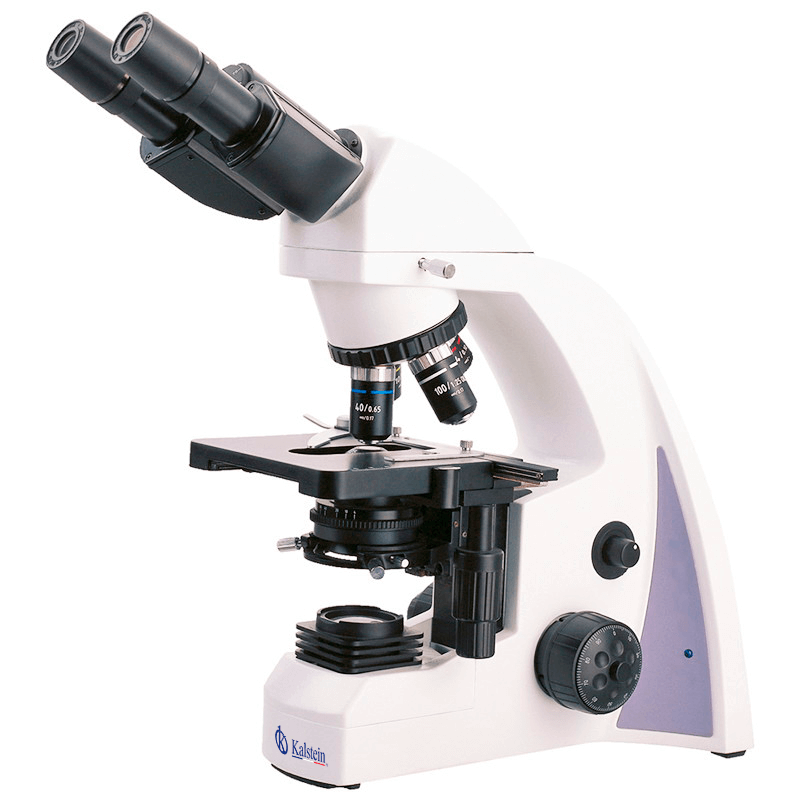
Optimizing Productivity and Reducing Analysis Times in Laboratory Microscopes
In today’s fast-paced laboratory environment, optimizing productivity and reducing analysis times are critical goals for achieving operational efficiency. Laboratory microscopes play a significant role in various applications, from research to diagnostics, and understanding their capabilities can lead to significant improvements in workflow. This article delves deep into how various laboratory microscope models enhance productivity and minimize analysis times, providing laboratory professionals with the insights needed to make informed choices.
Understanding the Importance of Productivity Optimization
Optimizing productivity in a laboratory setting involves streamlining processes, reducing downtime, and maximizing the use of available resources. Laboratory microscopes are essential tools, and selecting the right model can drastically impact throughput. The ability to analyze samples quickly and accurately is not only about speed but also about the reliability of results. With the right microscopy techniques, laboratories can achieve higher sample processing rates, leading to better overall productivity.
Factors Affecting Analysis Times
Analysis times in microscopy can be influenced by several factors, including the type of microscope used, the complexity of the sample, and the skills of the personnel operating the equipment. Additionally, maintenance practices and calibration procedures can affect the efficiency of laboratory operations. Understanding these factors can help laboratory managers identify bottlenecks and implement solutions that enhance workflow.
Comparison of Available Models
| Model | Key Features | Best For | Price (USD) |
|---|---|---|---|
| YR0237-0-1 | Binocular head, WF 10x/18 mm eyepieces, adjustable condenser, fine and coarse focus knobs | General laboratory use | 437.00 |
| YR0237-1 | Trinocular head, widefield eyepieces, infinity-corrected objectives | Advanced imaging applications | 491.00 |
| YR0237-1-1 | Similar to YR0237-1, offers enhanced focus controls | High throughput environments | 448.10 |
| YR03731-1 | Fixed volume pipette, low operational force, sterilized | Precise fluid handling | 13.00 |
| YR03731-2 | Similar to YR03731-1 with slightly different volume range | Fluid transfer in sample preparation | 13.00 |
| YR03731-3 | Robust design, ergonomic placement | Extended use in high-volume labs | 13.00 |
Techniques for Reducing Analysis Times
To achieve optimal analysis times, it is essential to implement specific techniques that enhance efficiency. One effective method is to utilize advanced microscopy features such as automated stage movement and real-time imaging. For example, the YR0237-1 model, with its trinocular head and infinity-corrected objectives, allows for faster imaging and reduced time spent focusing on samples. Additionally, integrating digital imaging systems can streamline data collection and analysis, significantly cutting down the time required for reporting results.
Common Mistakes and How to Avoid Them
Laboratories often encounter pitfalls that can hinder productivity and increase analysis times. One common mistake is neglecting routine maintenance of the microscope, leading to suboptimal performance and longer analysis times. It is vital to establish a comprehensive maintenance schedule to ensure all equipment operates effectively. Another mistake is underestimating the importance of training personnel on the specific models being used, such as the differences between the YR0237-0-1 and YR0237-1 models. Proper training can minimize errors and improve overall throughput.
Implementing Automation in Microscopy
Incorporating automation can dramatically enhance productivity in laboratory settings. Automated microscopy systems enable high-throughput analysis, allowing laboratories to process more samples in less time. For instance, the YR0237-1 model can be integrated into an automated workflow, enhancing sample throughput while maintaining accuracy. Automation also reduces human error, leading to more consistent results and reduced analysis times.
Integrating Lab Management Software for Enhanced Productivity
Leveraging lab management software can streamline operations and improve time management significantly. This type of software can facilitate scheduling, tracking sample statuses, and managing data collected from microscope analyses. By integrating systems that connect with models like the YR03731 series pipettes for sample preparation, laboratories can ensure that every step in the workflow is optimized, ultimately reducing analysis times and improving productivity.
Monitoring and Adjusting Workflows for Continuous Improvement
Continuous improvement is essential in laboratory settings. By regularly monitoring workflows and analyzing performance metrics, laboratory managers can identify areas for enhancement. For example, tracking the average analysis time for different microscope models can provide insights into which models are most effective under specific conditions. Such data-driven approaches are crucial for maintaining high productivity levels in laboratory operations.
Frequently Asked Questions
How can I optimize sample throughput using laboratory microscopes?
To optimize sample throughput, consider using models like the YR0237-1, which offers advanced features for quick focusing and imaging. Implementing automation and digital imaging systems can further enhance throughput, allowing you to achieve faster analysis times.
What are the best practices for maintaining laboratory microscopes to reduce downtime?
Establishing a routine maintenance schedule for your laboratory microscopes, such as the YR0237 series, is essential. Regular cleaning and calibration can prevent performance issues that lead to downtime, ensuring consistent analysis times.
Which features in a laboratory microscope enhance productivity and reduce analysis times?
Key features that enhance productivity include trinocular heads, automatic stage movement, and infinity-corrected optics, such as those found in the YR0237-1 model. These features allow for quicker focusing and imaging, thus reducing analysis times.
How does automation affect productivity in microscopy labs?
Automation allows for high-throughput analysis and reduces the risk of human error. By implementing automated systems with models like the YR0237-1, labs can process more samples effectively, significantly lowering analysis times.
What role does lab management software play in optimizing laboratory productivity?
Lab management software streamlines scheduling and tracking of samples, which can enhance overall productivity. By integrating this software with microscopy tools like the YR03731 series, laboratories can ensure efficient workflows and reduced analysis times.
How can I reduce the time spent on sample preparation in microscopy analysis?
Utilizing pipettes from the YR03731 series can facilitate precise and efficient sample preparation. Automating this step and optimizing pipetting techniques can significantly reduce preparation time, thereby shortening overall analysis times.
What should I consider when choosing a microscope model for high productivity?
When selecting a microscope model for high productivity, assess features like optics quality, automation capabilities, and user training requirements. Models such as the YR0237-1 and YR0237-0-1 provide excellent functionality for efficient laboratory operations.
How can I implement continuous improvement strategies in my microscopy lab?
Continuous improvement can be implemented by regularly monitoring performance metrics, such as analysis times for different models. Gathering and analyzing data helps identify areas for enhancement, ensuring optimal productivity in your laboratory.
If you are looking for a fusion of innovation and quality, you have come to the right place. At Kalstein, we offer you the luxury of exploring our exclusive catalog of laboratory equipment. We manufacture every device to the highest standards of excellence. Our intuitive and seamless online purchasing channels are designed for your convenience, securing the most competitive prices. Hesitate no longer — we bring science to life, it is time to become part of our community.