Pipettes: Practical Applications and Techniques 2026
Pipettes are essential tools in laboratories, particularly in fields like research, biotechnology, and academia. They facilitate the precise transfer of liquids, playing a crucial role in experiments and analyses. In 2026, understanding the practical applications of pipettes, their usage techniques, and best practices is vital for laboratory professionals.
What is it used for in 2026
In 2026, pipettes are primarily used for accurate liquid handling in a variety of laboratory settings. Their main applications include:
- Biotechnology: Pipettes are employed in DNA amplification, protein assays, and other molecular biology techniques.
- Research: In research labs, they are crucial for performing dilutions, sample preparations, and various analytical procedures.
- Clinical Laboratories: Pipettes assist in preparing samples for tests, ensuring precise measurements for reliable results.
- Educational Institutions: In academic settings, students use pipettes to learn fundamental laboratory techniques and experiment methodologies.
History and evolution of the technology
The evolution of pipetting technology can be traced back to the invention of the first pipette in the late 19th century. Traditional glass pipettes were used for manual liquid transfer, requiring significant skill and experience. The introduction of air displacement pipettes revolutionized the field, providing greater accuracy and ease of use. Over the years, advancements have led to the development of electronic pipettes that offer enhanced precision and programmable features, making pipetting tasks even more efficient. In 2026, modern pipettes are designed with ergonomic features to reduce strain and improve user comfort.
How to use it step by step
Using pipettes effectively involves several critical steps:
- Preparation: Gather all necessary materials, including the pipette, tips, and the liquids to be transferred.
- Choose the Correct Pipette: Select the appropriate pipette based on the volume required for your experiment.
- Attach a Tip: Firmly attach a disposable tip to the pipette to ensure a secure seal.
- Set the Volume: Adjust the volume setting on the pipette, ensuring it is calibrated for accuracy.
- Prime the Pipette: Pre-wet the tip by aspirating and dispensing the liquid a couple of times to ensure accurate measurements.
- Aspirate Liquid: Submerge the tip into the liquid and slowly release the plunger to aspirate the desired volume.
- Dispense Liquid: Position the tip over the receiving vessel, depress the plunger fully, and ensure all liquid is dispensed.
- Dispose of the Tip: Eject the used tip into a waste container to maintain cleanliness.
Best techniques and protocols
To achieve optimum results when using pipettes, consider the following techniques and protocols:
- Avoid Foaming: When pipetting viscous liquids or those that can foam, use a slower aspiration speed.
- Pre-wet Tips: Always pre-wet the tips to minimize the risk of inaccuracies due to liquid sticking.
- Consistent Speed: Maintain a consistent speed when aspirating and dispensing liquids for better accuracy.
- Proper Tip Angle: Position the pipette at a 45-degree angle during aspiration to optimize liquid uptake.
- Use Appropriate Tips: Ensure the tips used are compatible with the pipette and fit securely.
Practical applications by laboratory type
Different laboratory types utilize pipettes in unique ways:
- In Research Laboratories: Pipettes are used for various assays, including enzyme-linked immunosorbent assays (ELISA) and PCR preparations.
- In Clinical Laboratories: They are essential for preparing samples for blood tests and cultures, ensuring precise aliquots of reagents.
- In Educational Settings: Students learn fundamental laboratory skills through pipetting exercises, enhancing their understanding of scientific protocols.
- In Quality Control Laboratories: Pipettes are used for measuring and transferring samples in product testing to ensure compliance with standards.
Regulations, standards and certifications
In 2026, pipettes must adhere to various regulations and standards, including:
- ISO Standards: Ensuring pipettes meet specified international standards for accuracy and quality.
- Good Laboratory Practices (GLP): Following guidelines to maintain quality and consistency in laboratory procedures.
- Calibration Certificates: Regular calibration is required to ensure precision in measurements, with certifications provided for compliance.
Comparison with alternative technologies
While pipettes are widely used, there are alternative technologies available for liquid handling:
- Automated Liquid Handlers: Suitable for high-throughput environments, these devices offer speed and precision but at a higher cost.
- Syringe Pumps: Used for specific applications where precise control of flow rate is crucial, though they can be less versatile than pipettes.
- Microfluidic Devices: Emerging technologies that allow manipulation of small volumes, ideal for specific research applications.
Comparison of available models
| Model | Best for | Key specs | Recommended use case |
|---|---|---|---|
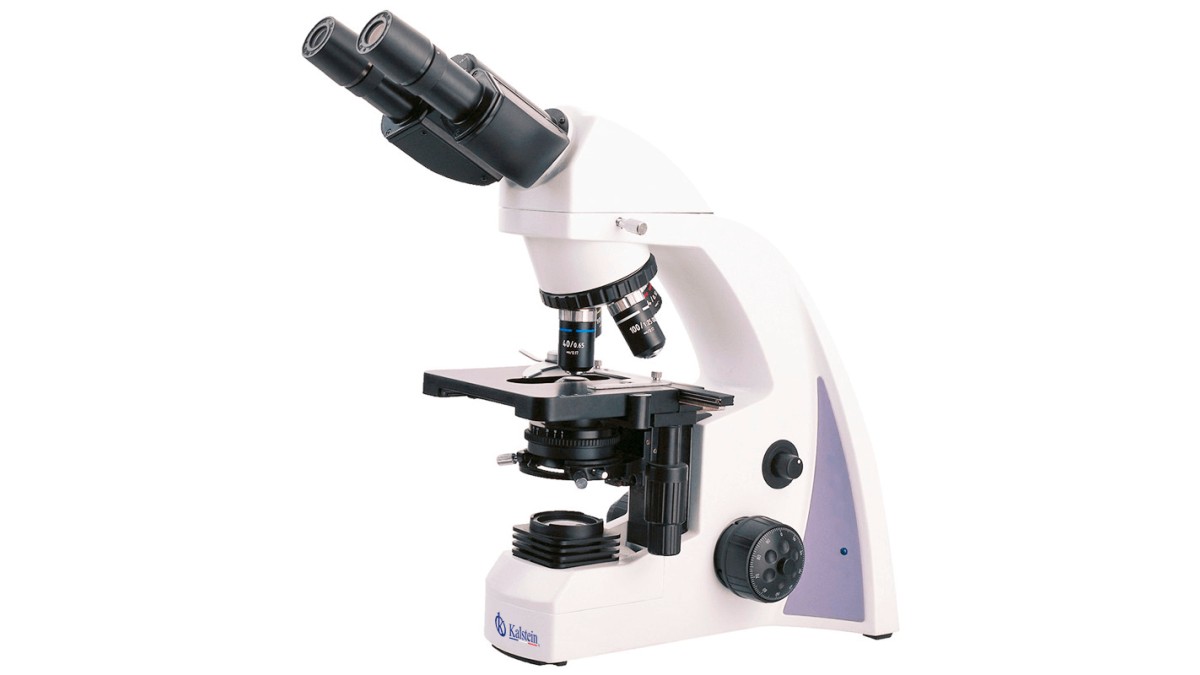
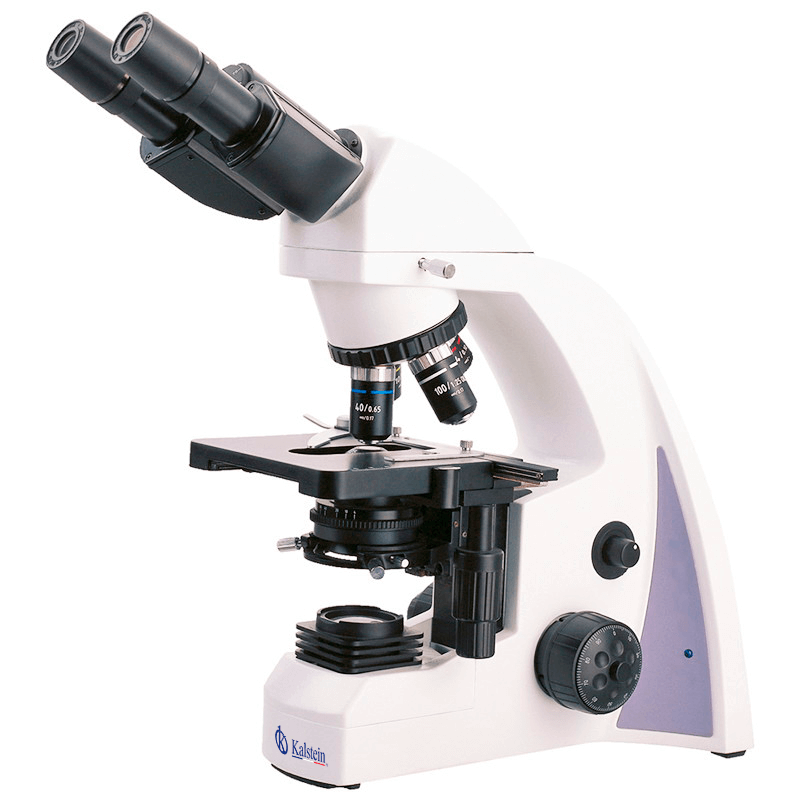
| YR0237-0-1 | Laboratory microscopy | Binocular head, wide field eyepieces, adjustable condenser | Ideal for detailed microscopic analysis |
| YR0237-1 | Laboratory microscopy | Binocular head, adjustable focus, LED illumination | Perfect for educational labs and research |
| YR0237-1-1 | Laboratory microscopy | Trinocular head, wide field eyepieces | Best for collaborative and advanced research work |
| YR03731-1 | Fluid handling | 10 μl, ±1.0% accuracy | Used for precise micro-sampling |
| YR03731-2 | Fluid handling | 20 μl, ±1.0% accuracy | Ideal for preparing solutions in molecular biology |
| YR03731-3 | Fluid handling | 25 μl, ±1.0% accuracy | Suitable for various laboratory applications |
Common mistakes and how to avoid them
Laboratory professionals often encounter mistakes when using pipettes. Here are common errors and tips to avoid them:
- Incorrect Volume Settings: Always double-check the volume setting before use to prevent inaccuracies.
- Not Using Tips: Never pipette without a tip; this not only contaminates samples but also leads to inaccurate results.
- Pipetting Too Quickly: Avoid fast movements; this can lead to air bubbles and inaccuracies. Use a steady, controlled speed instead.
- Improper Tip Ejection: Ensure to discard used tips properly to maintain a clean working environment.
Maintenance, calibration and good practices 2026
To ensure longevity and accuracy in 2026, it is essential to maintain and calibrate pipettes regularly:
- Regular Calibration: Perform at least annual calibrations to ensure precision in liquid handling.
- Clean Pipettes: Regularly clean the exterior and the tips to prevent contamination.
- Store Properly: Store pipettes in a vertical position to avoid damage to the tip or internal mechanism.
- Follow Manufacturer Instructions: Always adhere to the manufacturer's guidelines for maintenance and care.
Cost-benefit analysis 2026
When considering the acquisition of pipettes, it's important to evaluate the cost against the benefits:
- Initial Investment: While high-quality pipettes may have a higher upfront cost, their accuracy can reduce material waste and errors.
- Long-term Savings: Investing in durable pipettes can save money over time as they require fewer replacements and less frequent calibration.
- Efficiency Gains: Quality pipettes improve workflow efficiency, allowing for quicker turnarounds on experiments and analyses.
Frequently asked questions
What type of pipette should I choose for my laboratory?
The type of pipette you should choose depends on the volume you need to transfer and the precision required for your applications. For small volumes, a micropipette is ideal, while larger volumes may require a macropipette.
How often should pipettes be calibrated?
Pipettes should be calibrated at least once a year. However, if they are used frequently or in critical applications, more frequent calibration may be necessary to ensure accuracy.
Can I use the same tips for different pipette models?
It is essential to use tips that are compatible with the specific pipette model to ensure a secure fit and accurate liquid transfer.
What are the best practices for pipetting?
Best practices include pre-wetting tips, maintaining a consistent speed while aspirating and dispensing, and ensuring proper tip angle during liquid handling.
How can I avoid contamination during pipetting?
To avoid contamination, always use new, sterile tips for each sample, and ensure that the pipette is cleaned regularly according to the manufacturer’s guidelines.
What should I do if my pipette is not working correctly?
If a pipette is not functioning correctly, check for clogs, ensure it is calibrated properly, and consider contacting the manufacturer for support or servicing if the issue persists.
Where can I find high-quality pipettes for my lab?
To find high-quality pipettes for your lab, consider exploring specialized laboratory equipment suppliers that provide a variety of options suitable for your specific needs.
If you are looking for a fusion of innovation and quality, you have come to the right place. At Kalstein, we offer you the luxury of exploring our exclusive catalog of laboratory equipment. We manufacture every device to the highest standards of excellence. Our intuitive and seamless online purchasing channels are designed for your convenience, securing the most competitive prices. Hesitate no longer — we bring science to life, it is time to become part of our community.