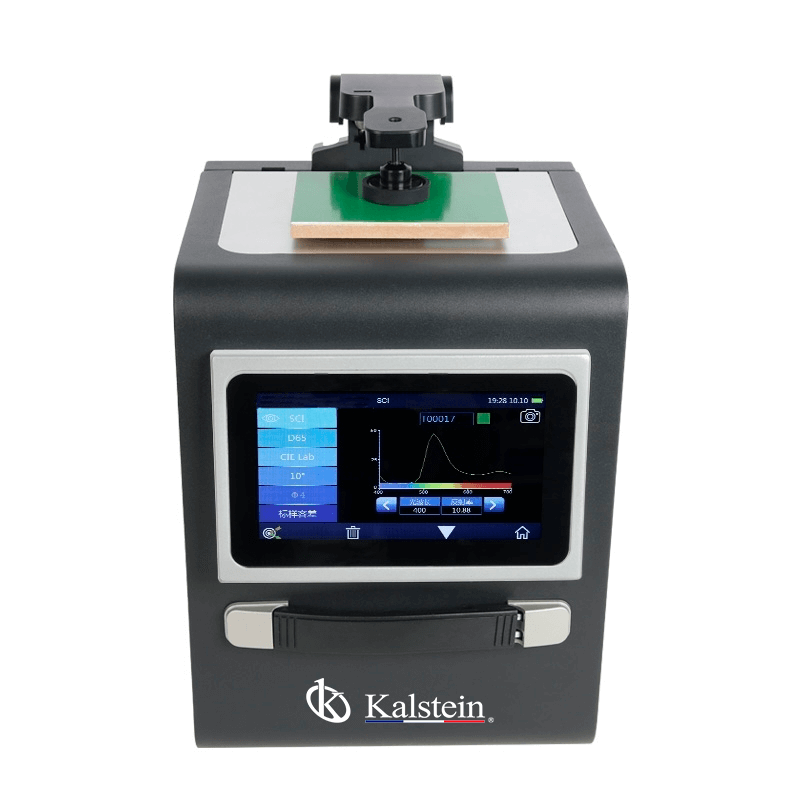
Portable Benchtop Spectrophotometer: A Practical Step-by-Step Guide for 2026
What is it used for in 2026
The Portable Benchtop Spectrophotometer is an essential tool in laboratories for measuring the color and light absorption properties of various materials. In 2026, these instruments are widely used in industries such as plastics, textiles, paints, food, and pharmaceuticals. Their primary function is to provide accurate color measurements, ensuring quality control and consistency in products. Additionally, they play a crucial role in research and development, assisting scientists in analyzing samples and obtaining precise data.
History and evolution of the technology
The development of spectrophotometry dates back to the early 19th century, with advancements in optical devices and light measurement techniques. Over the years, the technology has evolved significantly, transitioning from bulky laboratory models to compact and portable versions. Innovations in sensor technology, such as CMOS and photodiode arrays, have enhanced the precision and usability of portable spectrophotometers, making them indispensable tools in modern laboratories.
How to use it step by step
Using a Portable Benchtop Spectrophotometer involves several steps:
- Preparation: Ensure the spectrophotometer is calibrated and clean. Verify the sample to be measured is properly prepared and placed in the measurement area.
- Setting parameters: Select the appropriate measurement mode, such as transmission or reflection, depending on the sample type.
- Measurement: Initiate the measurement process by pressing the appropriate button. Wait for the device to complete the analysis.
- Data evaluation: Review the readout on the display, which provides colorimetric data such as CIE L*a*b* values.
- Documentation: Record the measurements in a log for future reference, ensuring data integrity.
Best techniques and protocols
To ensure accurate measurements with Portable Benchtop Spectrophotometers, follow these best practices:
- Always calibrate the device before use, based on the manufacturer’s recommendations.
- Use standardized color references for comparison to maintain consistency.
- Ensure samples are free from contaminants that may affect color readings.
- Conduct measurements under controlled lighting conditions to minimize environmental influence.
- Follow specific protocols for different materials; consult the user manual for guidance.
Practical applications by laboratory type
Portable Benchtop Spectrophotometers find application across various laboratory settings:
- Color Quality Control: In manufacturing, to ensure products meet specified color standards.
- Material Research: In R&D labs to evaluate new materials and their properties.
- Food Industry: For assessing color in food products to ensure quality and safety.
- Textile Testing: For determining colorfastness and dye concentration in fabrics.
Regulations, standards and certifications
Portable Benchtop Spectrophotometers must adhere to various industry standards and regulations, including:
- CIE Standards: Complying with CIE No.15 for color measurement accuracy.
- ISO Standards: Following ISO7724-1 guidelines for color communication.
- ASTM Standards: Meeting ASTM E1164 requirements for color measurement in textiles and coatings.
Comparison with alternative technologies
While Portable Benchtop Spectrophotometers are highly effective, they can be compared to other technologies:
- Visible Light Spectrophotometers: Typically more stationary and used for quantitative analysis in labs.
- Colorimeters: Less sophisticated and often used for quick color screenings.
- Reflectance Meters: Specialized for measuring reflectance but lack the precision of spectrophotometers.
Comparison of available models
| Model | Best for | Key specs | Recommended use case |
|---|---|---|---|
| YR05484 | Precise color measurement | 45/0 geometry, $4730.00 | Quality control in plastics and textiles |
| YR05485 | Large sample analysis | D/8 geometry, $4950.00 | Testing in pharmaceutical laboratories |
| YR05486 | Versatile measurement | D/8 geometry, $4640.00 | Research and development of new materials |
| YR05487 | Adaptability in color control | D/8 geometry, $4018.00 | Textile and dye testing |
Common mistakes and how to avoid them
When using Portable Benchtop Spectrophotometers, avoid these common pitfalls:
- Neglecting calibration can lead to inaccurate readings; always calibrate before measurements.
- Failing to prepare samples properly can introduce errors; ensure samples are clean and standardized.
- Ignoring environmental factors such as lighting can affect results; measure in a controlled setting.
Maintenance, calibration and good practices 2026
To maintain your Portable Benchtop Spectrophotometer:
- Regularly clean optical components to prevent interference.
- Schedule periodic calibration based on usage frequency and manufacturer guidelines.
- Store the device in a protective case when not in use to avoid damage.
Cost-benefit analysis 2026
Investing in a Portable Benchtop Spectrophotometer can yield significant benefits:
- High accuracy in color measurement leads to improved quality control.
- Reduced errors save costs in rework and waste of materials.
- Enhanced efficiency in laboratory workflows accelerates product development timelines.
Frequently asked questions
What should I consider when choosing a Portable Benchtop Spectrophotometer?
Consider factors such as measurement accuracy, optical geometry, compatibility with your sample types, and specific industry regulations.
How often should I calibrate my spectrophotometer?
Calibration frequency depends on usage, but it is recommended to calibrate before each measurement session, especially for critical applications.
Can I use the spectrophotometer for both solid and liquid samples?
Yes, many portable spectrophotometers are designed to accommodate both solid and liquid samples, but refer to the user manual for specific guidelines.
What are some common issues I might face while using this equipment?
Common issues include miscalibration, improper sample preparation, and environmental factors affecting readings. Always follow best practices to minimize these errors.
Is training necessary to use a Portable Benchtop Spectrophotometer?
While basic operation is straightforward, training is recommended for more complex applications to ensure accurate results and compliance with standards.
How can I ensure accurate color measurement?
To ensure accuracy, maintain a consistent measurement environment, calibrate regularly, and use standardized color references for comparison.
Where can I get a quote for a Portable Benchtop Spectrophotometer?
You can request a quote through our online channels for the best pricing options available.
If you are looking for a fusion of innovation and quality, you have come to the right place. At Kalstein, we offer you the luxury of exploring our exclusive catalog of laboratory equipment. We manufacture every device to the highest standards of excellence. Our intuitive and seamless online purchasing channels are designed for your convenience, securing the most competitive prices. Hesitate no longer — we bring science to life, it is time to become part of our community.