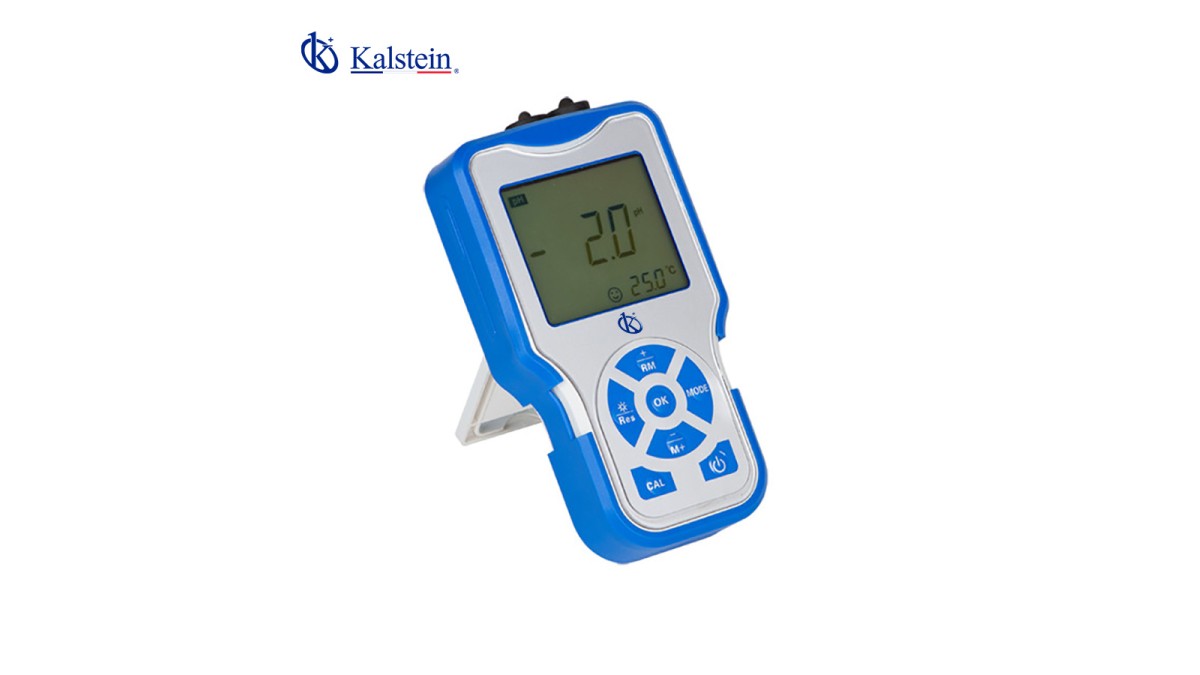
Portable Ion Meters: Practical Applications and Techniques 2026
Portable Ion Meters are essential tools in various laboratory settings, allowing professionals to accurately measure ion concentrations in different solutions. As technology continues to evolve, these devices have become even more user-friendly and versatile, making them valuable assets in the field. In this article, we will explore the applications, history, best practices, and a comparison of available models in 2026.
What is it used for in 2026
In 2026, Portable Ion Meters are predominantly used for measuring the concentration of specific ions in solutions, such as pH, ammonium, and various other ions relevant in environmental monitoring, clinical diagnostics, and quality control in laboratories. Their portability allows for fieldwork, making them ideal for environmental studies and educational purposes.
History and evolution of the technology
The development of Portable Ion Meters began in the late 20th century, focusing on providing accurate, on-the-go measurements. Over the years, advancements in sensor technology, microprocessors, and display interfaces have made these devices more sophisticated. Today’s Portable Ion Meters offer features such as multi-point calibration, automatic temperature compensation, and various ion concentration modes which enhance their usability across different applications.
How to use it step by step
Using Portable Ion Meters typically involves the following steps:
- Preparation: Ensure the meter is clean and calibrated. Select the appropriate ion measurement mode.
- Calibration: Perform calibration using standard solutions, following the manufacturer's instructions for the number of calibration points.
- Sample Measurement: Immerse the probe in the sample solution, allowing the meter to stabilize for an accurate reading.
- Recording Results: Document the measurement readings and any necessary notes regarding the sample conditions.
- Post-Measurement Care: Rinse the probe with distilled water and store it according to the manufacturer's guidelines.
Best techniques and protocols
Best practices for using Portable Ion Meters include:
- Always calibrate the meter using fresh standard solutions to ensure accuracy.
- Allow the probe to equilibrate in the sample to get a stable reading.
- Follow the manufacturer's recommended maintenance schedule to prolong the lifespan of the device.
- Use appropriate storage solutions for probes when not in use to maintain their integrity.
Practical applications by laboratory type
Portable Ion Meters find applications across various laboratory types:
Environmental Laboratories:
Used to monitor water quality and pollution levels by measuring ion concentrations in natural water bodies.
Clinical Laboratories:
Applied in diagnostics, particularly for measuring ion concentrations in bodily fluids.
Educational Institutions:
Utilized in teaching students about ion concentration and its implications in real-world scenarios.
Regulations, standards and certifications
Portable Ion Meters should comply with relevant industry standards such as ISO 9001 for quality management systems and any specific regulations dictated by local governmental bodies regarding laboratory equipment. Certification ensures the reliability and accuracy of data collected using these meters.
Comparison with alternative technologies
When comparing Portable Ion Meters with alternative technologies like benchtop ion meters, the former offers greater portability and ease of use in field settings, while benchtop models may provide more robust data analysis features. However, Portable Ion Meters are increasingly closing the gap in terms of functionality.
Comparison of available models
| Model | Best for | Key specs | Recommended use case |
|---|---|---|---|
| YR01816 | Measuring pH and ion concentration | 2-5 point calibration, LCD display, ±0.5% FS accuracy | Laboratories requiring accurate pH measurements |
| YR01817-1 | Measuring ammonium ions | Low to high concentration calibration, selectable units, ±0.5% FS accuracy | Environmental monitoring and fieldwork |
| YR01817-10 | Measuring ammonium ions | Similar to YR01817-1, higher pricing | Advanced applications in labs with specific needs |
| YR01817-11 | Measuring ammonium ions | Similar features to YR01817-10 | Applications requiring precise ion measurements |
| YR01817-12 | Measuring ammonium ions | Similar features to previous models | Various laboratorial and educational setups |
| YR01817-13 | Measuring ammonium ions | Similar features, competitive pricing | Field use and educational purposes |
Common mistakes and how to avoid them
Common mistakes when using Portable Ion Meters include inaccurate calibrations, not allowing sufficient time for readings to stabilize, and improper cleaning and storage of probes. To avoid these, always follow the manufacturer's instructions, perform routine calibrations, and ensure probes are thoroughly rinsed and stored correctly.
Maintenance, calibration and good practices 2026
To maintain Portable Ion Meters in 2026:
- Regularly calibrate the device before use.
- Clean the probes after each measurement.
- Follow the specific storage guidelines provided by manufacturers to extend probe life.
- Conduct periodic performance checks to ensure accuracy.
Cost-benefit analysis 2026
When evaluating the cost-benefit ratio of Portable Ion Meters, consider the initial investment against the potential for improved data accuracy, time savings in field measurements, and versatility in various applications. The long-term operational costs are generally low due to minimal maintenance requirements, making them a cost-effective solution for many laboratories.
Frequently asked questions
What should I consider when choosing a Portable Ion Meter?
When selecting a Portable Ion Meter, consider the specific ions you need to measure, the required accuracy, and whether the device is user-friendly and portable for your applications.
How often should I calibrate my Portable Ion Meter?
It is recommended to calibrate your Portable Ion Meter before each use or at least once daily if used frequently to ensure accurate readings.
Can I use a Portable Ion Meter for multiple types of ions?
Yes, many Portable Ion Meters are designed to measure multiple ion types, but ensure you select the appropriate model that supports the ions of interest.
What is the importance of temperature compensation?
Temperature compensation is vital as it ensures that readings reflect the actual ion concentration, regardless of temperature fluctuations, which can affect measurements.
How do I properly clean and store my Portable Ion Meter?
Thoroughly rinse the probe with distilled water after each use, store it in the recommended solutions, and keep the device clean to maintain its effectiveness.
Are there specific training requirements for using Portable Ion Meters?
While no formal training may be required, understanding the user manual and practical guidance on calibration and measurement will enhance performance and accuracy.
What are the best practices for using Portable Ion Meters?
Best practices include regular calibration, allowing adequate stabilization time during measurements, and proper cleaning and maintenance of the device and probes.
If you are looking for a fusion of innovation and quality, you have come to the right place. At Kalstein, we offer you the luxury of exploring our exclusive catalog of laboratory equipment. We manufacture every device to the highest standards of excellence. Our intuitive and seamless online purchasing channels are designed for your convenience, securing the most competitive prices. Hesitate no longer — we bring science to life, it is time to become part of our community.