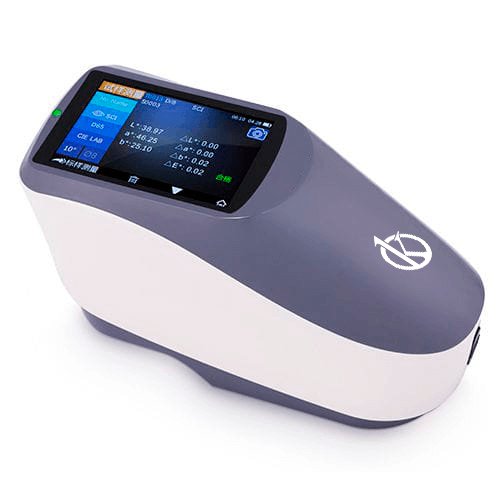
Portable Spectrophotometers: Practical Applications and Techniques 2026
What is it used for in 2026
In 2026, portable spectrophotometers have become essential tools in various laboratory settings due to their versatility and precision. These instruments are primarily utilized for measuring the intensity of light at different wavelengths, helping professionals analyze the color and concentration of substances. They are widely applied in industries such as paints, inks, textiles, pharmaceuticals, and food & beverage, allowing for color matching, quality control, and compliance with industry standards.
History and evolution of the technology
The evolution of spectrophotometric technology began in the early 19th century, with initial inventions aimed at understanding light properties. Over the decades, advancements in optics and electronics have significantly improved the accuracy and usability of spectrophotometers. The introduction of portable models has revolutionized laboratory practices, making it easier for professionals to conduct tests on-site rather than relying solely on stationary equipment. This mobility has led to broader applications and increased demand across multiple sectors.
How to use it step by step
Using a portable spectrophotometer involves several straightforward steps:
- Preparation: Ensure the device is fully charged or plugged in and that all necessary accessories, such as cuvettes or sample holders, are available.
- Calibration: Perform a calibration using a blank sample or standard reference to ensure the accuracy of results.
- Sample measurement: Place the sample in the measurement area, ensuring proper alignment with the light path.
- Data collection: Select the appropriate settings for the measurement (e.g., wavelength range) and initiate the measurement process.
- Analysis: Review the data collected, making interpretations based on the predefined parameters and standards.
- Documentation: Record the results and observations in your laboratory notebook or software for future reference.
Best techniques and protocols
To ensure optimal performance and accuracy when using portable spectrophotometers, consider the following techniques and protocols:
- Utilize high-quality cuvettes and ensure they are clean and free from scratches.
- Follow a consistent calibration routine, ideally before each series of measurements, using certified standards.
- Minimize ambient light interference by performing measurements in controlled environments whenever possible.
- Use the same sample volume and path length for all measurements to maintain consistency.
- Regularly update software and firmware to benefit from the latest features and performance improvements.
Practical applications by laboratory type
Different types of laboratories employ portable spectrophotometers for various applications:
- Quality Control Laboratories: Monitor color consistency in manufacturing processes such as paints and textiles.
- Pharmaceutical Laboratories: Measure active ingredient concentrations and verify product formulations.
- Environmental Testing Laboratories: Analyze water quality by measuring turbidity and color intensity.
- Food and Beverage Laboratories: Ensure color accuracy in products and verify compliance with aesthetic standards.
Regulations, standards and certifications
Portable spectrophotometers must comply with various industry regulations and standards, including:
- CIE No.15 for colorimetric standards.
- ISO 7724-1 pertaining to color measurement.
- ASTM E1164 for color consistency in paints and coatings.
- Good Laboratory Practice (GLP) guidelines to ensure the reliability and reproducibility of results.
Comparison with alternative technologies
While portable spectrophotometers are widely used, several alternative technologies exist:
- Colorimeters: More simplified devices that measure color intensity but lack the wavelength specificity of spectrophotometers.
- Reflectance Meters: Primarily used for specific applications where surface reflection is the focus, not suitable for all types of samples.
- Digital Imaging Systems: Offer comprehensive color analysis but are often limited by their size and complexity, making portability challenging.
Comparison of available models
| Model | Best for | Key specs | Recommended use case |
|---|---|---|---|
| YR05503 | Traffic signal color measurement | 20 mm aperture, 45/0 geometry | Used for assessing brightness and color coordinates of traffic signals. |
| YR05504 | Precision color analysis | 8 mm and 4 mm apertures, 45/0 geometry | Ideal for laboratory color transmission analysis in paints and textiles. |
| YR05505 | Color quality control | Custom aperture options, 45/0 geometry | Applicable in various industries for color matching and quality assurance. |
| YR05500 | UV and color analysis | Bluetooth, USB connectivity, dual apertures | Useful for broad applications needing UV and visible light analysis. |
| YR05501 | UV reflectance measurements | Bluetooth, USB, 8 mm and 4 mm apertures | Designed for high accuracy in reflective measurements. |
| YR05502 | Comprehensive color analysis | Bluetooth, USB, multiple aperture options | Excellent for labs requiring dual functionality in color analysis. |
Common mistakes and how to avoid them
To ensure accurate results and longevity of portable spectrophotometers, avoid the following common mistakes:
- Inadequate Calibration: Always perform calibration before use; neglecting this can lead to inaccurate results.
- Using Dirty Cuvettes: Ensure cuvettes are clean to avoid contamination and erroneous readings.
- Ignoring Environmental Factors: Perform measurements in stable lighting conditions to minimize interference.
- Not Documenting Procedures: Keep detailed records of measurement protocols to ensure reproducibility.
Maintenance, calibration and good practices 2026
Maintaining your portable spectrophotometer is crucial for ensuring its performance:
- Clean the optical components regularly to prevent buildup of residues.
- Carry out periodic calibrations using standards according to the manufacturer’s recommendations.
- Store the device in a protective case to prevent damage during transportation.
- Update software regularly to enhance functionality and security features.
Cost-benefit analysis 2026
Investing in portable spectrophotometers can yield significant returns in the following ways:
- Enhanced Productivity: Ability to conduct on-site measurements reduces time lost traveling to a fixed lab.
- Cost Efficiency: Streamlined processes in quality control and testing can reduce waste and rework significantly.
- Competitive Advantage: Using state-of-the-art technology can improve product quality and compliance, leading to increased customer satisfaction.
Frequently asked questions
What should I consider when choosing a portable spectrophotometer?
Consider factors such as wavelength range, aperture size, connectivity options, and the specific applications needed before making a decision.
How often should I calibrate my spectrophotometer?
Calibration should be performed at the start of each work session and whenever there is a significant change in environmental conditions.
Can I use my spectrophotometer for both liquid and solid samples?
Yes, most modern portable spectrophotometers can handle both types of samples, but it is essential to use the appropriate sample holder and settings for each.
What is the best way to clean optical components?
Use a microfiber cloth or lens paper with a gentle cleaning solution specifically designed for optical surfaces to avoid scratches.
Are there any specific industry standards I need to be aware of?
Yes, familiarize yourself with standards relevant to your industry, such as CIE No.15 for color measurement and ISO standards for quality assurance.
What accessories are essential for using a portable spectrophotometer?
Key accessories include high-quality cuvettes, calibration standards, and a carrying case for protection during transport.
Where can I request a quote for purchasing a spectrophotometer?
You can request a quote for purchasing a spectrophotometer through our online platform.
If you are looking for a fusion of innovation and quality, you have come to the right place. At Kalstein, we offer you the luxury of exploring our exclusive catalog of laboratory equipment. We manufacture every device to the highest standards of excellence. Our intuitive and seamless online purchasing channels are designed for your convenience, securing the most competitive prices. Hesitate no longer — we bring science to life, it is time to become part of our community.