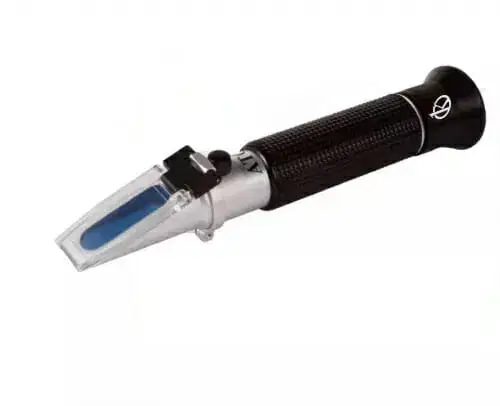
How to Implement Predictive Maintenance and Calibration for Beer Refractometers
Beer refractometers are essential tools in the brewing industry, providing vital measurements of sugar content and gravity during various stages of brewing. To ensure their accuracy and longevity, implementing predictive maintenance and periodic calibration is crucial. This article explores in-depth the techniques and strategies necessary for maintaining these instruments effectively, ensuring they perform at their best.
Understanding Predictive Maintenance for Beer Refractometers
Predictive maintenance is a proactive approach to equipment management that uses data analysis and machine learning algorithms to predict future failures. The goal is to prevent unexpected downtimes by identifying potential issues before they escalate.
For beer refractometers, predictive maintenance involves regular monitoring of their performance metrics, such as measurement accuracy and calibration intervals. This can be achieved through the use of software tools that analyze historical data and provide insights into when maintenance is necessary.
Importance of Calibration in Beer Refractometers
Calibration ensures that beer refractometers provide accurate measurements, which are critical for the brewing process. Factors such as temperature fluctuations, physical wear, and sample inconsistencies can affect accuracy over time. Regular calibration allows professionals to adjust the instruments to meet specific standards, ensuring the reliability of readings.
It is recommended to perform calibration for beer refractometers at least once every six months, or more frequently depending on usage intensity. This frequency ensures that any drift in measurements is detected and corrected promptly.
Implementing a Calibration Schedule
A structured calibration schedule is key to maintaining the accuracy of beer refractometers. Below is a sample calibration schedule:
| Frequency | Calibration Method | Tools Required |
|---|---|---|
| Monthly | Check against a reference solution | Reference Brix solution, thermometer |
| Every 6 Months | Full calibration with adjustment | Calibration kit, pure water |
| Annually | Professional service check | Service technician |
Factors Affecting Calibration and Maintenance
Several factors can influence the need for maintenance and calibration of beer refractometers. These include:
- Frequency of Use: Frequent use can lead to more rapid wear and tear, necessitating more regular checks.
- Environmental Conditions: Temperature and humidity levels can affect instrument performance, requiring more frequent calibration.
- Sample Types: Different types of samples may introduce variables that necessitate calibration adjustments.
Comparison of Available Models
| Model | Measurement Range | Min. Division | Precision | ATC | Best For |
|---|---|---|---|---|---|
| YR05939 | 0-32% Brix, SG: 1.000-1.120 | 0.2% Brix, 0.001 SG | ±0.2% Brix, ±0.001 SG | Yes | Quick checks during brewing |
| YR05940 | 0-32% Brix, SG: 1.000-1.120 | 0.2% Brix, 0.001 SG | ±0.2% Brix, ±0.001 SG | Yes | Frequent gravity checks |
| YR05941 | 0-32% Brix, SG: 1.000-1.120 | 0.2% Brix, 0.001 SG | ±0.2% Brix, ±0.001 SG | Yes | Small sample requirements |
| YR05942 | 0-32% Brix, SG: 1.000-1.120 | 0.2% Brix, 0.001 SG | ±0.2% Brix, ±0.001 SG | Yes | Ideal for precision brewing |
| YR05943 | 0-32% Brix, SG: 1.000-1.120 | 0.2% Brix, 0.001 SG | ±0.2% Brix, ±0.001 SG | Yes | Comprehensive brewing applications |
Common Mistakes and How to Avoid Them
Several common mistakes can occur in the maintenance and calibration of beer refractometers. Understanding these can help avoid costly errors:
- Ignoring Calibration Frequency: Failing to adhere to a calibration schedule can lead to inaccurate measurements. Set reminders to ensure timely checks.
- Inadequate Cleaning: Not cleaning the refractometer after each use can contaminate future samples. Always ensure thorough cleaning tools are on hand.
- Neglecting Environmental Controls: Letting environmental conditions fluctuate can affect performance. Maintain stable temperatures and humidity in the storage area.
Frequently Asked Questions
How often should I calibrate my Beer Refractometer for accuracy?
It's recommended to calibrate your beer refractometer at least every six months. Frequent usage might necessitate more frequent checks. Models like YR05939 provide precision that can be affected by environmental changes, so regular calibration is crucial.
What are the benefits of using predictive maintenance for refractometers?
Predictive maintenance helps identify potential failures before they occur, minimizing downtime and costs. Utilizing data analysis can optimize the performance of models like the YR05940 by predicting when calibration is needed.
Which calibration method is best for Beer Refractometers?
Using a reference Brix solution for calibration checks is the most effective method. This ensures accurate readings, particularly for models such as YR05941, which are designed for quick sample checks.
What is the impact of temperature on Beer Refractometer readings?
Temperature can significantly affect the measurements of beer refractometers. Models like YR05943 come with Automatic Temperature Compensation (ATC), ensuring accuracy despite temperature variations during the brewing process.
How can I ensure my Beer Refractometer lasts longer?
Regular maintenance and calibration are key to prolonging the life of your equipment. Implementing a structured calibration schedule for models such as YR05942 helps maintain their performance and accuracy over time.
What are the signs that my Beer Refractometer needs calibration?
If you notice discrepancies in gravity readings or if the device hasn't been calibrated in over six months, it’s time for a check. Keeping track of calibration schedules for models like YR05940 can prevent this issue.
What types of reference solutions should I use for calibration?
Using a pure sugar solution that corresponds to the expected Brix levels is recommended. This is essential for models like YR05939, as accurate calibration directly influences the brewing process.
How does proper calibration affect brewing quality?
Proper calibration ensures that measurements of sugar content are accurate, which is crucial for achieving desired fermentation results. Frequent checks on models such as YR05941 can maintain consistent brewing quality.
If you are looking for a fusion of innovation and quality, you have come to the right place. At Kalstein, we offer you the luxury of exploring our exclusive catalog of laboratory equipment. We manufacture every device to the highest standards of excellence. Our intuitive and seamless online purchasing channels are designed for your convenience, securing the most competitive prices. Hesitate no longer — we bring science to life, it is time to become part of our community.