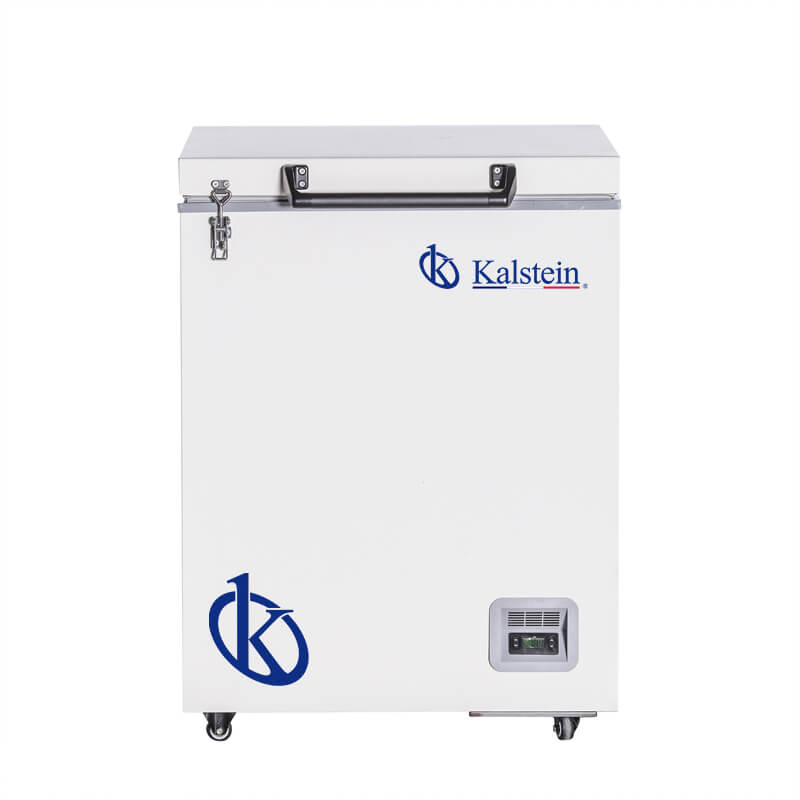
Predictive Maintenance and Recommended Calibration: Insights for Chest Freezers
Chest freezers are essential in laboratory settings, particularly for storing biological samples, vaccines, and reagents. Predictive maintenance and regular calibration play crucial roles in ensuring that these devices operate at optimal performance levels. This article provides an in-depth exploration of the importance of predictive maintenance and the recommended calibration procedures for various models of chest freezers, including the Horizontal Freezer YR05102, YR05103, YR05104, Ultra Low Temperature Horizontal Freezer -86C YR05314, and others.
The Importance of Predictive Maintenance in Chest Freezers
Predictive maintenance refers to the proactive approach to maintaining equipment based on predicted failures rather than on pre-established schedules or reactive measures. In the context of chest freezers, this process is vital to avoid costly downtimes and ensure the integrity of stored samples. By utilizing data analytics and monitoring systems, laboratories can foresee potential issues and address them before they lead to equipment failure.
Key benefits of predictive maintenance in chest freezers include:
- Reduced Downtime: Regular monitoring can identify issues before they cause breakdowns.
- Cost Efficiency: Avoiding emergency repairs can save significant costs.
- Enhanced Sample Integrity: Stable temperatures are crucial for the preservation of samples.
Recommended Calibration Procedures for Chest Freezers
Calibration is essential for ensuring that temperature readings and controls in chest freezers operate within specified ranges. Regular calibration helps maintain compliance with industry standards and guarantees that the equipment functions accurately. Below are recommended calibration procedures:
- Frequency: Calibration should occur at least once a year or after significant repairs.
- Calibration Standards: Utilize certified thermometers and temperature probes that comply with ISO 17025 standards.
- Documentation: Maintain comprehensive logs of calibration activities, including results and corrective actions.
Predictive Maintenance Strategies for Chest Freezers
Implementing predictive maintenance strategies can significantly enhance the longevity and reliability of chest freezers. Some effective strategies include:
- Monitoring Temperature Fluctuations: Use advanced monitoring systems that track temperature variations and alert personnel when settings deviate from the norm.
- Regular Maintenance Checks: Schedule routine inspections to identify wear and tear on critical components like compressors and seals.
- Data Analytics: Leverage data from previous operational cycles to predict future maintenance needs.
Comparison of Available Models
| Model | Temperature Range (°C) | Energy Consumption (kWh/24h) | Noise Level (dB) | Best for |
|---|---|---|---|---|
| YR05102 | -40 to -10 | 1.65 | 50 | General laboratory use |
| YR05103 | -40 to -10 | 1.68 | 52 | Sample storage |
| YR05104 | -40 to -20 | 3.45 | 55 | Research applications |
| YR05314 | -86 to -40 | 11.5 | 54.5 | Ultra-low temperature storage |
| YR05313 | -86 to -40 | 3.8 | 50 | Small laboratory settings |
| YR05315 | -60 to -25 | 3.2 | 53 | Biomedical applications |
Common Mistakes and How to Avoid Them
Laboratory personnel must be aware of common pitfalls when operating chest freezers to ensure proper functioning and maintenance:
- Neglecting Routine Checks: Failing to perform routine checks can lead to unnoticed malfunctions.
- Ignoring Temperature Alarms: Alarm notifications should be treated seriously to prevent sample loss.
- Insufficient Documentation: Lack of proper logs can complicate tracing issues and compliance audits.
Frequently Asked Questions
How often should chest freezers be calibrated in a laboratory setting?
Chest freezers should be calibrated at least once a year to ensure accurate temperature readings, especially models like YR05102 that have precise temperature controls. Regular calibration helps maintain compliance with industry standards and guarantees that stored samples remain viable.
What are the benefits of predictive maintenance for chest freezers?
Predictive maintenance provides multiple advantages, including reduced downtime and enhanced sample integrity. By analyzing data from models such as YR05314, laboratories can foresee potential failures and address them proactively, significantly improving operational efficiency.
Which chest freezer model is best for ultra-low temperature applications?
The Ultra Low Temperature Horizontal Freezer YR05314 is ideal for ultra-low temperature applications, capable of reaching temperatures as low as -86°C. Its robust design and advanced features ensure optimal storage conditions for sensitive biological samples.
How can I ensure the accuracy of my chest freezer's temperature readings?
To ensure accuracy, it's crucial to use certified calibration tools and follow a regular calibration schedule, typically once a year. This is especially important for models like YR05103, which require precise temperature management.
What is the role of temperature alarms in chest freezers?
Temperature alarms serve as critical alerts for deviations from set temperature ranges, ensuring quick action can be taken to protect stored samples. Models like YR05104 feature multiple alarms for both high and low temperature alerts, enhancing reliability.
How does energy consumption differ among chest freezer models?
Energy consumption varies by model; for instance, the YR05314 consumes 11.5 kWh/24h due to its advanced cooling capabilities, while YR05102 uses only 1.65 kWh/24h. Understanding these differences can aid in selecting the right model for specific laboratory needs.
What factors should I consider when choosing a chest freezer for a laboratory?
Key factors include temperature range, energy consumption, noise level, and the specific applications you intend to use the freezer for. Models like YR05315 cater to biomedical applications, whereas YR05103 might suit general lab use better.
How can I reduce the risk of sample loss in my chest freezer?
Implementing robust monitoring systems and adhering to calibration schedules is essential for minimizing sample loss. Regular checks on models like YR05102 can help maintain optimal conditions and alert staff to any potential issues promptly.
If you are looking for a fusion of innovation and quality, you have come to the right place. At Kalstein, we offer you the luxury of exploring our exclusive catalog of laboratory equipment. We manufacture every device to the highest standards of excellence. Our intuitive and seamless online purchasing channels are designed for your convenience, securing the most competitive prices. Hesitate no longer — we bring science to life, it is time to become part of our community.