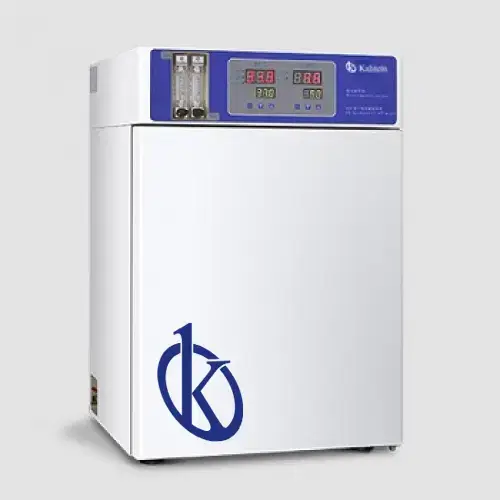
How to Implement Predictive Maintenance and Regular Calibration for CO₂ Incubators
CO₂ incubators play a critical role in laboratories that work with cell cultures, microbiology, and various life sciences. Regular maintenance and calibration are essential to ensure their optimal performance. This article delves into predictive maintenance strategies and the significance of regular calibration to enhance laboratory efficiency and reliability.
Understanding the Importance of Predictive Maintenance in CO₂ Incubators
Predictive maintenance refers to techniques that help determine the condition of equipment to predict when maintenance should be performed. The goal is to perform maintenance at a scheduled time before failure occurs, thereby minimizing downtime and extending equipment lifespan. For CO₂ incubators, implementing predictive maintenance can lead to substantial cost savings and increased performance reliability.
Key Components of Predictive Maintenance for CO₂ Incubators
1. Monitoring Systems: Utilizing advanced monitoring systems helps detect anomalies in temperature and CO₂ levels. These systems can alert users to potential issues before they escalate.
2. Regular Data Collection: Collecting data on operational parameters allows for identifying trends that may indicate equipment deterioration. This can help in planning timely interventions.
3. Scheduled Maintenance: Setting up a schedule for routine checks and maintenance ensures the incubator operates at peak performance.
Calibration: A Critical Practice for CO₂ Incubators
Calibration ensures that the CO₂ levels and temperature settings align with required specifications. Regular calibration is vital for maintaining the accuracy of readings and ensuring optimal growth conditions for cultured cells.
Recommended Calibration Procedures for CO₂ Incubators
1. Temperature Calibration: It is recommended to perform temperature calibration regularly, ideally every six months, to maintain a precision of ±0.1°C.
2. CO₂ Concentration Calibration: Regular checks on CO₂ concentration, ensuring it remains within the 0-20% range, are fundamental for providing a stable environment for cultures.
Comparison of Available Models
| Model | Temperature Control Range (°C) | CO₂ Control Range (%) | Best For | Price (USD) |
|---|---|---|---|---|
| YR02048 | RT + 5 ~ 60 | 0 ~ 20% | Cell culture, microbiology | 1300.00 |
| YR02049 | RT + 5 ~ 60 | 0 ~ 20% | Oncology, genetic research | 1900.00 |
| YR02049-1 | RT + 5 ~ 55 | 0 ~ 20% | Pathology, life sciences | 3200.00 |
Common Mistakes and How to Avoid Them
One common mistake in laboratories is neglecting regular calibration of CO₂ incubators. This can lead to inaccurate temperature and CO₂ readings, impacting experiment outcomes. Another frequent error is failing to maintain a proper maintenance schedule. Regular checks should be planned to avoid unexpected downtime.
Frequently Asked Questions
What are the best practices for calibrating a CO₂ incubator?
Best practices for calibrating a CO₂ incubator include performing checks on temperature and CO₂ levels every six months, ensuring they meet precise specifications, such as the ±0.1°C temperature accuracy required for models like YR02049.
How often should I perform predictive maintenance on CO₂ incubators?
Predictive maintenance should ideally be performed at least once every three months, focusing on monitoring systems and scheduled checks to ensure models, such as YR02048, are functioning optimally without unforeseen failures.
What is the impact of inaccurate calibration on CO₂ incubators?
Inaccurate calibration can lead to failed experiments, reduced cell viability, and poor research outcomes. For instance, if the YR02049's CO₂ concentration is off, it could disrupt the growth conditions necessary for cell cultures.
Which CO₂ incubator model is best for oncology research?
For oncology research, the CO₂ Incubator YR02049 is recommended due to its advanced temperature control and CO₂ accuracy, which are crucial for maintaining the integrity of sensitive cultures.
How does predictive maintenance save costs for laboratories?
Predictive maintenance reduces unplanned downtime and extends the lifespan of equipment, leading to significant cost savings. For instance, regular checks on models like YR02049 can help identify issues before they result in costly repairs.
What are the common calibration intervals for CO₂ incubators?
Common calibration intervals for CO₂ incubators suggest checking temperature and CO₂ levels at least every six months, with more frequent checks recommended for sensitive applications like those performed in YR02049-1.
Why is it essential to maintain CO₂ levels in incubators?
Maintaining CO₂ levels within the specified range of 0-20% is essential for creating optimal growth conditions in cell cultures. Models like YR02048 are designed to maintain these levels accurately, promoting successful experimental outcomes.
How can I ensure my CO₂ incubator remains compliant with industry standards?
To ensure compliance, labs should implement regular maintenance and calibration schedules, document procedures, and reference standards specific to their field, such as those applicable to the YR02049 model.
If you are looking for a fusion of innovation and quality, you have come to the right place. At Kalstein, we offer you the luxury of exploring our exclusive catalog of laboratory equipment. We manufacture every device to the highest standards of excellence. Our intuitive and seamless online purchasing channels are designed for your convenience, securing the most competitive prices. Hesitate no longer — we bring science to life, it is time to become part of our community.