How to Implement Predictive Maintenance and Calibration for Digital Clinical Refractometers?
In the world of laboratory diagnostics, the accuracy and reliability of results are paramount. Digital clinical refractometers play a crucial role in determining the specific gravity of urine and serum protein levels, among other measurements. However, without appropriate predictive maintenance and regular calibration, the performance of these devices can deteriorate over time, leading to inaccurate readings and potential compliance issues. This article aims to explore the significance of predictive maintenance and periodic calibration specifically for digital clinical refractometers, discussing best practices, methodologies, and key considerations.
Understanding Predictive Maintenance in Laboratory Equipment
Predictive maintenance is a proactive approach that utilizes data analysis tools and techniques to predict equipment failures before they occur. For digital clinical refractometers, this means monitoring performance metrics, identifying trends, and scheduling maintenance accordingly. Implementing predictive maintenance can significantly reduce downtime and repair costs while enhancing the reliability of test results.
Key Components of Predictive Maintenance
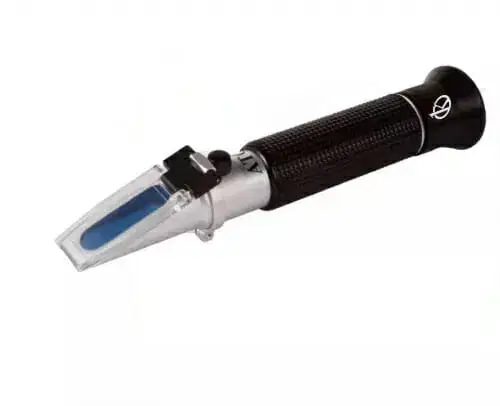
Key components of a predictive maintenance strategy include condition monitoring, performance analysis, and the establishment of a maintenance schedule based on actual usage and performance data rather than arbitrary timelines. Digital refractometers, such as the YR05915 Clinical Refractometer, equipped with Automatic Temperature Compensation (ATC), benefit from these practices as they ensure accurate readings by adjusting for temperature variations.
Data Analysis Techniques
Data analysis plays a central role in predictive maintenance. Techniques such as trend analysis, statistical process control, and machine learning algorithms can help identify potential issues before they escalate. For instance, monitoring the calibration drift of the YR05966 Digital BRIX Refractometer over time can provide insights into when recalibration is necessary.
Calibration: Importance and Frequency
Calibration is essential for ensuring that digital clinical refractometers provide accurate measurements in compliance with industry standards. Regular calibration helps detect and correct any discrepancies in measurement that may arise due to wear and tear or environmental factors.
Calibration Standards
Laboratories should adhere to stringent calibration standards, such as ISO/IEC 17025, which outlines the requirements for testing and calibration laboratories. Complying with these standards ensures the reliability of measurements obtained from devices like the YR05967 Digital BRIX Refractometer.
Recommended Calibration Intervals
The recommended calibration intervals for digital clinical refractometers vary based on usage and manufacturer recommendations. For instance, high-usage environments may require calibration every month, while less frequent use might extend intervals to quarterly or biannually. Keeping a detailed calibration log is also crucial for compliance and traceability purposes.
Comparison of Available Models
| Model | Measurement Range | Temperature Compensation | Best Use Case | Price (USD) |
|---|---|---|---|---|
| YR05915 | 0-12 g/dl, 1.000-1.050 SG, 1.3300-1.3600 RI | Yes | Clinical settings for precise urine analysis | 9.50 |
| YR05966 | 1.000-1.050 SP.G. | Yes | Veterinary practices | 76.00 |
| YR05967 | 0-12.1 g/dl | Yes | Serum protein analysis in humans | 76.00 |
| YR05968 | 1.3330-1.3900 nD | Yes | General refractive index measurements | 76.00 |
Common Mistakes and How to Avoid Them
Understanding the common pitfalls associated with predictive maintenance and calibration of digital clinical refractometers is crucial for ensuring optimal performance.
Neglecting Regular Maintenance
A frequent mistake laboratories make is neglecting regular maintenance checks. Establishing a regular maintenance schedule based on usage patterns for each model, such as the YR05968 Digital BRIX Refractometer, can mitigate this risk.
Inadequate Training
Inadequate training of personnel operating the refractometers can lead to improper handling and maintenance. Comprehensive training programs should be implemented to ensure staff are well-versed in operating procedures and maintenance requirements.
Frequently Asked Questions
How do I ensure the accuracy of my digital clinical refractometer results?
Ensuring accuracy involves regular calibration of the device according to manufacturer specifications and standards like ISO 17025. For instance, calibrating the YR05915 Clinical Refractometer monthly will help maintain precise results.
What is the best practice for maintaining digital clinical refractometers?
The best practice includes implementing predictive maintenance to monitor performance and establishing a calibration schedule based on actual usage. This is particularly vital for models like the YR05966 Digital BRIX Refractometer, which is often used in veterinary settings.
How often should digital clinical refractometers be calibrated?
Calibration frequency depends on usage but is generally recommended monthly for high-usage units and quarterly for others. Following this schedule for models like the YR05967 Digital BRIX Refractometer can enhance reliability.
What are the consequences of not calibrating my refractometer?
Failure to calibrate can result in inaccurate measurements leading to misdiagnosis or treatment errors. It's essential to regularly calibrate devices like the YR05968 Digital BRIX Refractometer to comply with laboratory standards.
How does predictive maintenance improve refractometer performance?
Predictive maintenance enhances performance by identifying and correcting issues before they lead to failure. Implementing this strategy for models like the YR05915 Clinical Refractometer ensures consistent uptime and accuracy.
What are the best digital clinical refractometers for veterinary use?
The YR05966 Digital BRIX Refractometer is highly recommended for veterinary practices due to its features tailored for animal care, including specific gravity measurements suitable for various species.
Why is temperature compensation important in digital refractometers?
Temperature compensation is crucial as it ensures accurate readings across different temperatures. Models like the YR05915 Clinical Refractometer offer ATC, making them reliable in fluctuating environments.
How can I document calibration results for compliance?
Calibration results should be documented in a logbook that includes date, technician name, results, and any adjustments made. This practice is critical for compliance, especially when using models like the YR05968 Digital BRIX Refractometer.
If you are looking for a fusion of innovation and quality, you have come to the right place. At Kalstein, we offer you the luxury of exploring our exclusive catalog of laboratory equipment. We manufacture every device to the highest standards of excellence. Our intuitive and seamless online purchasing channels are designed for your convenience, securing the most competitive prices. Hesitate no longer — we bring science to life, it is time to become part of our community.