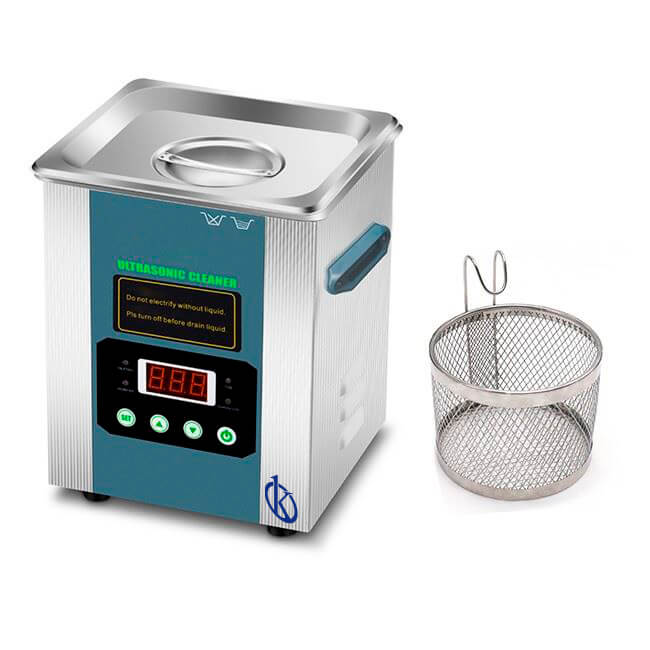
Predictive Maintenance and Recommended Calibration for Digital Display Ultrasonic Cleaners
Digital display ultrasonic cleaners have become an essential tool in laboratories and industries due to their efficiency in cleaning intricate items. As these devices play a critical role in maintaining cleanliness and ensuring the longevity of laboratory tools, understanding predictive maintenance and calibration practices is vital. This article will delve into the specifics of predictive maintenance, recommended calibration intervals, and how to optimize the performance of digital display ultrasonic cleaners.
Understanding Predictive Maintenance
Predictive maintenance involves regularly monitoring the performance of ultrasonic cleaners to anticipate potential failures before they occur. By understanding the operational metrics and failure modes, laboratory professionals can implement maintenance schedules that minimize downtime and enhance cleaning efficiency. Regular checks on components such as transducers, heating elements, and digital displays can drastically reduce unexpected failures.
Recommended Calibration Practices
Calibration of ultrasonic cleaners is essential for ensuring accurate operational performance. Regular calibration checks should be conducted to verify that the frequency and amplitude of the ultrasonic waves remain within specified limits. Depending on the usage frequency, a calibration every three to six months is generally recommended. Calibration should be performed using traceable standards to ensure compliance with laboratory regulations.
Comparison of Available Models
| Model | Tank Capacity (L) | Power (W) | Frequency (kHz) | Price (USD) | Best for |
|---|---|---|---|---|---|
| YR05208 | 2 | 70 | 40 | 45.00 | Jewelry and small components cleaning |
| YR05209 | 2 | 70 | 40 | 47.00 | Multi-use for household and small laboratories |
| YR05212 | 4.5 | 180 | 40 | 109.00 | Industrial cleaning applications |
| YR05213 | 6.8 | 180 | 40 | 116.00 | Thorough cleaning for larger items |
| YR05214 | 11 | 240 | 40 | 156.00 | High-capacity cleaning needs |
| YR05215 | 15 | 360 | 40 | 202.00 | Extensive industrial applications |
Common Mistakes and How to Avoid Them
Laboratory professionals often overlook the importance of routine maintenance for ultrasonic cleaners, leading to performance issues and increased costs. One common mistake is neglecting the calibration schedule, which can result in inaccurate cleaning results. Another mistake is using the wrong cleaning solution, which can damage equipment and compromise the quality of cleaning. Ensure to follow manufacturer recommendations for both maintenance and cleaning solutions.
Best Practices for Predictive Maintenance
Incorporating predictive maintenance practices can significantly enhance the reliability and effectiveness of ultrasonic cleaners. Regular training for laboratory staff on proper operation and maintenance procedures is crucial. Additionally, keeping a log of operational hours and maintenance checks can help identify patterns that may indicate when a component is likely to fail. Utilizing sensors to monitor performance metrics can also assist in timely interventions.
Factors Influencing Calibration Intervals
The specific usage frequency and the conditions under which ultrasonic cleaners operate can influence the calibration intervals. For instance, cleaners used in high-demand settings may require calibration every three months, while those in lower-use environments might be calibrated every six months. Environmental factors, such as temperature and humidity, can also affect the performance of ultrasonic cleaners, necessitating closer monitoring of calibration needs.
Benefits of Regular Calibration and Maintenance
Regular calibration and maintenance not only extend the lifespan of ultrasonic cleaners but also ensure that they operate at peak efficiency. This leads to better cleaning results and can improve laboratory workflow by minimizing downtime. Furthermore, compliance with regulatory standards is easier to maintain when regular checks are performed, fostering trust in laboratory operations.
Frequently Asked Questions
How often should I calibrate my digital display ultrasonic cleaner to ensure optimal performance?
It is generally recommended to calibrate your digital display ultrasonic cleaner, such as the YR05212, every three to six months depending on usage. Regular calibration ensures the ultrasonic frequency remains accurate, maintaining effective cleaning performance.
What are the benefits of predictive maintenance for ultrasonic cleaners in a laboratory setting?
Predictive maintenance for ultrasonic cleaners like the YR05209 minimizes unexpected failures and extends the lifespan of the equipment. By regularly monitoring performance metrics, laboratories can schedule maintenance proactively, ensuring optimal cleaning results.
Which ultrasonic cleaner model is best suited for industrial cleaning applications?
The YR05215 model, with its 15-liter capacity and 360W power, is ideal for industrial cleaning applications. Its larger size and efficiency make it suitable for demanding cleaning tasks in various laboratory environments.
How can I integrate predictive maintenance into my cleaning protocols?
Integrating predictive maintenance involves setting up a regular check schedule for ultrasonic cleaners like the YR05208. Monitoring performance metrics, maintaining a log of maintenance activities, and training staff on operational best practices are essential steps.
What common mistakes should I avoid with ultrasonic cleaner maintenance?
Avoid overlooking routine maintenance and calibration schedules, as they are crucial for performance. Using incorrect cleaning solutions or operating the device beyond its specifications, such as with the YR05214, can lead to equipment damage and inefficiency.
How do environmental factors affect ultrasonic cleaner calibration?
Environmental factors like temperature and humidity can influence the operational effectiveness of ultrasonic cleaners such as the YR05213. Therefore, it is crucial to regularly assess these factors to ensure proper calibration intervals.
What maintenance schedule should I follow for my ultrasonic cleaner?
For optimal maintenance, a schedule should include daily checks for functionality, weekly inspections of components, and thorough calibration checks every three to six months, particularly for models like YR05212.
How does regular calibration enhance compliance in laboratory settings?
Regular calibration of digital display ultrasonic cleaners, such as the YR05209, helps laboratories comply with industry standards by ensuring accurate performance metrics. This fosters trust in cleaning procedures and maintains high-quality results.
If you are looking for a fusion of innovation and quality, you have come to the right place. At Kalstein, we offer you the luxury of exploring our exclusive catalog of laboratory equipment. We manufacture every device to the highest standards of excellence. Our intuitive and seamless online purchasing channels are designed for your convenience, securing the most competitive prices. Hesitate no longer — we bring science to life, it is time to become part of our community.